
Diseases and Conditions
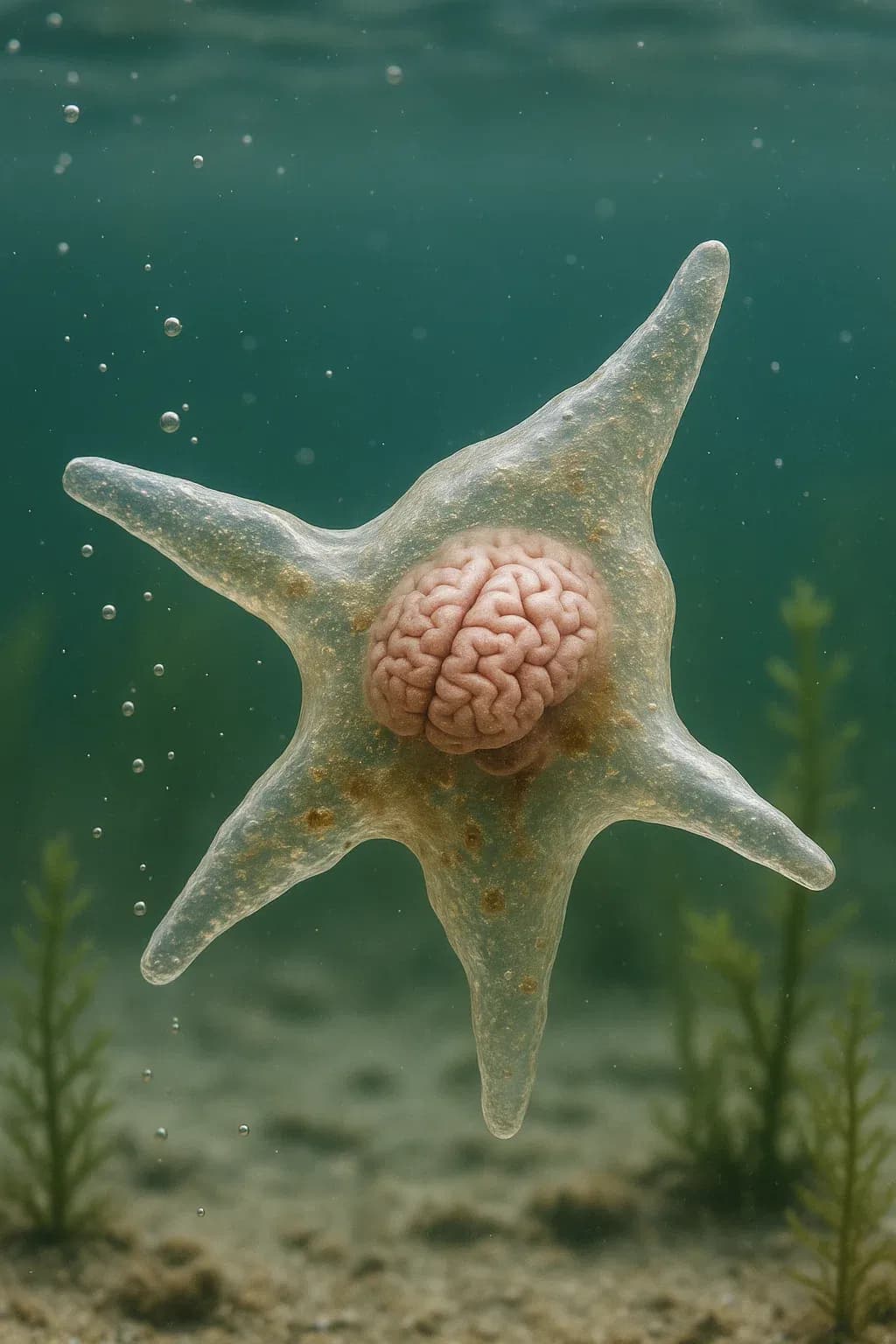
Recognizing Symptoms of the Brain-Eating Amoeba
The brain-eating amoeba, scientifically known as Naegleria fowleri, is a rare but deadly organism that causes a devastating infection of the brain called primary amebic meningoencephalitis (PAM). This amoeba is typically found in warm freshwater environments such as lakes, rivers, and hot springs. Infection occurs when contaminated water enters the body through the nose, allowing the amoeba to travel to the brain. Initial symptoms of PAM can be confused with those of bacterial meningitis, making early recognition and diagnosis crucial for effective treatment. Symptoms typically appear within one to nine days after exposure and can progress rapidly, leading to severe health complications or death within a week. Awareness of the signs and symptoms is vital to seek timely medical intervention. With increased travel and recreational activities in freshwater bodies, understanding the risks and symptoms associated with Naegleria fowleri is more important than ever.
Read more
0 reading now

Neuropathy: Understanding the Symptoms, Causes, and Treatments
Peripheral neuropathy is a disorder that occurs when peripheral nerves malfunction due to damage or disease. This condition affects the communication between the central nervous system and the rest of the body, leading to a variety of symptoms such as numbness, tingling, pain, and weakness, predominantly in the hands and feet. Neuropathy can result from a multitude of causes including diabetes, infections, traumatic injuries, and exposure to toxins. Understanding the underlying cause is crucial for effective treatment. While it can be a chronic condition, there are treatments available that can alleviate symptoms and improve quality of life. Medications, physical therapy, and lifestyle changes play pivotal roles in managing neuropathy.
Read more
0 reading now

Predictors for Dementia That May Aid Early Diagnosis
Dementia is a growing concern worldwide as the population ages. Early diagnosis is crucial for managing the condition effectively and improving the quality of life for those affected. Identifying predictors for dementia can aid in its early diagnosis and potentially delay its progression. Researchers are focusing on various indicators, including genetic, lifestyle, and cognitive factors, to pinpoint early signs of dementia. Understanding these predictors can lead to better screening processes and interventions. This article explores some of the key predictors that have been identified in recent studies and how they may be used in clinical settings to aid in early diagnosis.
Read more
0 reading now
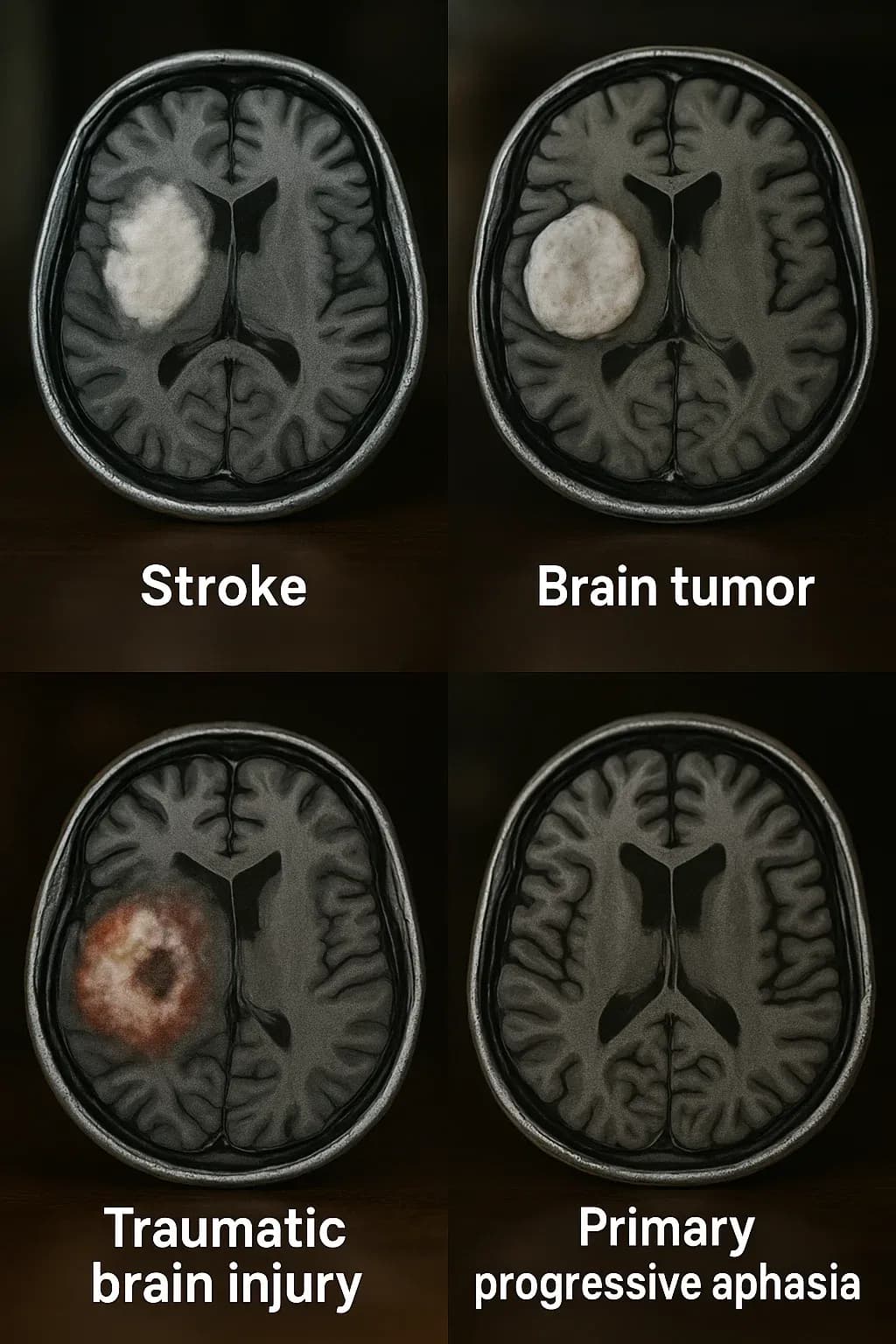
What Really Causes Aphasia?
Aphasia is a complex language disorder that typically arises due to damage to specific regions of the brain responsible for language processing. Often, this condition is the result of a stroke, which disrupts blood flow to the brain and can lead to the death of brain cells. However, it's not only strokes that can cause aphasia. Other potential causes include traumatic brain injuries, brain tumors, infections, and degenerative neurological diseases such as Alzheimer's disease. Understanding the root causes of aphasia is crucial for developing effective treatments and helping those affected regain their communication skills. The severity and type of aphasia depend largely on the location and extent of the brain damage. For instance, damage to Broca's area typically results in expressive aphasia, where individuals struggle to construct grammatically correct sentences. On the other hand, damage to Wernicke's area often leads to receptive aphasia, where comprehension of spoken language is impaired. With modern neuroimaging techniques, researchers can pinpoint the exact areas of damage and tailor rehabilitation efforts accordingly.
Read more
0 reading now

What Lupus Looks Like for Most People
Lupus, a chronic autoimmune disease, manifests uniquely in each person, often complicating its diagnosis and treatment. For most individuals, lupus presents a myriad of physical symptoms that can affect various parts of the body, including the skin, joints, and internal organs. This complexity can lead to a protracted journey to diagnosis, as symptoms often mimic those of other illnesses. Despite the variance in symptoms, commonality lies in the unpredictable nature of flare-ups and periods of remission, creating a cycle of uncertainty for those affected. Understanding lupus involves recognizing these patterns and the impact they have on daily life, both physically and emotionally. The invisible nature of many symptoms also contributes to the challenges patients face, as the external manifestations do not always align with the internal experience. This article aims to shed light on what living with lupus looks like for most people, emphasizing the importance of awareness and empathy in supporting those affected.
Read more
0 reading now

How to Tell If It’s Norovirus
Norovirus is a highly contagious virus that is often confused with other stomach-related ailments due to its similar symptoms. Knowing how to differentiate norovirus from other illnesses is crucial for effective management and prevention of further spread. Commonly referred to as the 'winter vomiting bug,' norovirus can cause sudden onset of nausea, vomiting, diarrhea, and stomach cramps. These symptoms usually appear 12 to 48 hours after exposure to the virus and can last for one to three days. Unlike food poisoning, which often targets specific foods, norovirus can be contracted through contaminated surfaces, water, or direct contact with an infected person. Since there is no specific treatment for norovirus, recognizing the symptoms early can help you take steps to prevent dehydration and limit transmission to others. Understanding the typical progression of symptoms and their characteristics can aid in identifying the likelihood of a norovirus infection.
Read more
0 reading now

Coping with Lupus: Practical Tips for Daily Living
Living with lupus can be challenging due to its unpredictable nature and various symptoms, which can range from mild to severe. This autoimmune disease requires ongoing management and adaptation to maintain a quality of life. Understanding how to manage daily tasks, conserve energy, and reduce stress is crucial for those affected. Implementing practical strategies can help individuals navigate their daily lives more comfortably and effectively. In this article, we explore various tips and approaches that can assist lupus patients in managing their condition, focusing on lifestyle adaptations and supportive resources.
Read more
0 reading now

10 Symptoms of Personality Disorder
Personality disorders are a group of mental health conditions characterized by unhealthy patterns of thinking, functioning, and behaving. These disorders can significantly impact a person's life, relationships, and ability to function in daily activities. It is crucial to recognize the symptoms early to seek appropriate help and support. There are various types of personality disorders, each with its own set of symptoms, but some common signs can be observed across different types. Understanding these symptoms can aid in early detection and intervention. The following are ten common symptoms associated with personality disorders that can help in identifying the need for professional evaluation.
Read more
0 reading now

11 Symptoms of Bacterial Infection
Bacterial infections are caused by harmful bacteria invading the body, resulting in a variety of symptoms that can range from mild to severe. Recognizing these symptoms early can lead to timely diagnosis and treatment, preventing complications. The most common symptoms include fever, chills, fatigue, and localized pain. However, symptoms can vary depending on the type of bacteria and the area of the body affected. For instance, respiratory infections may present with coughing and difficulty breathing, while gastrointestinal infections can lead to nausea, vomiting, and diarrhea. Understanding these symptoms can help individuals seek medical attention promptly, ensuring effective treatment and recovery.
Read more
0 reading now
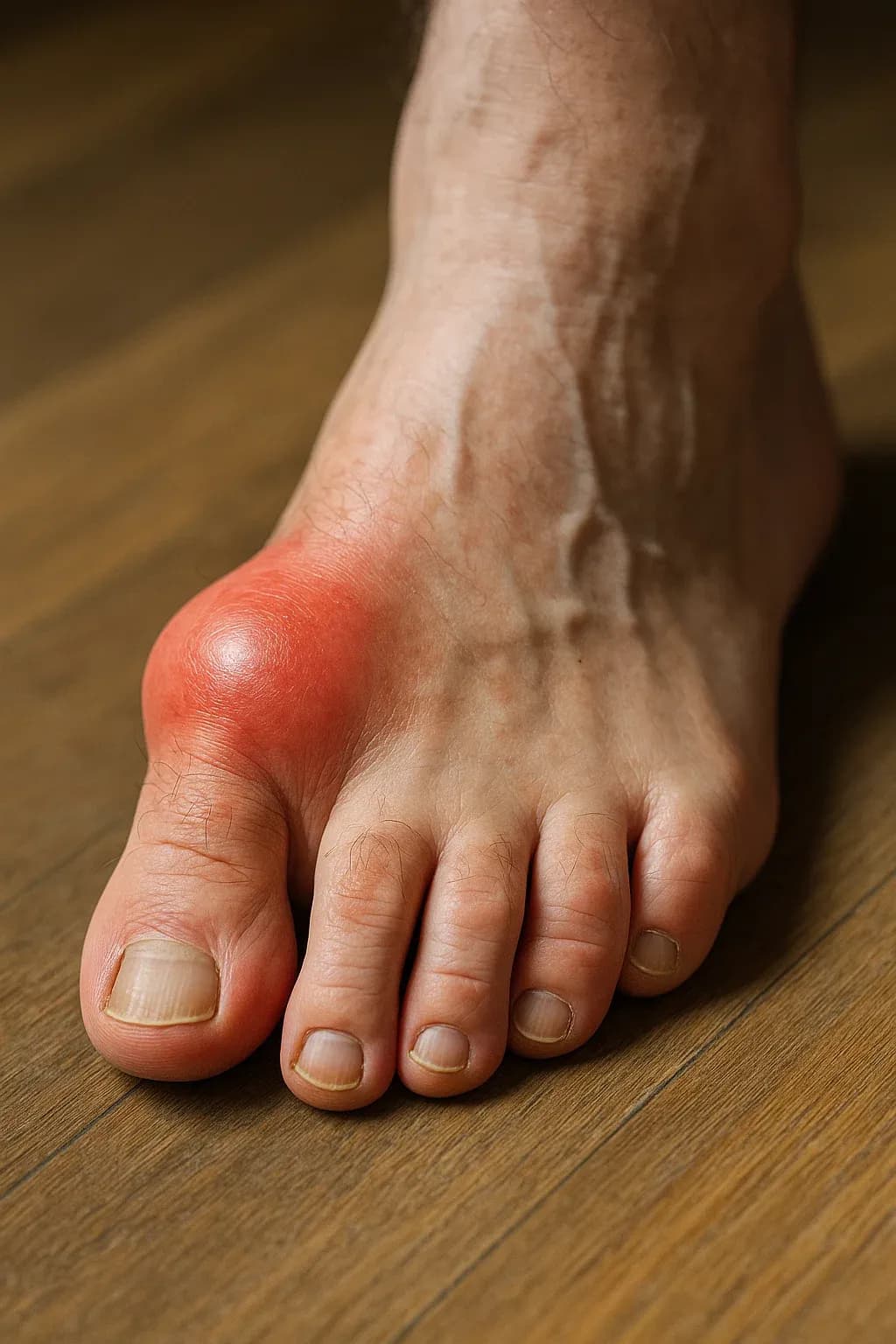
The Ultimate Guide to Gout
Gout is a complex form of arthritis that can affect anyone, characterized by sudden and severe pain, swelling, redness, and tenderness in the joints, often the joint at the base of the big toe. It is caused by an excess of uric acid in the blood, which can form sharp, needle-like urate crystals in the joint or surrounding tissue that cause pain, inflammation, and swelling. While gout can be painful and debilitating, it is also a condition that can be managed with the right lifestyle changes and medical treatments. This ultimate guide to gout will provide comprehensive insights into its causes, symptoms, and treatment options. We will explore dietary recommendations, lifestyle modifications, and medical therapies that can help manage gout effectively and reduce the risk of future flare-ups.
Read more
0 reading now
Disclaimer
This site offers information designed for educational purposes only. You should not rely on any information on this site as a substitute for professional medical advice, diagnosis, treatment, or as a substitute for, professional counseling care, advice, diagnosis, or treatment. If you have any concerns or questions about your health, you should always consult with a physician or other healthcare professional.