Predictors for Dementia That May Aid Early Diagnosis
Diseases and Conditions
Dementia is a growing concern worldwide as the population ages. Early diagnosis is crucial for managing the condition effectively and improving the quality of life for those affected. Identifying predictors for dementia can aid in its early diagnosis and potentially delay its progression. Researchers are focusing on various indicators, including genetic, lifestyle, and cognitive factors, to pinpoint early signs of dementia. Understanding these predictors can lead to better screening processes and interventions. This article explores some of the key predictors that have been identified in recent studies and how they may be used in clinical settings to aid in early diagnosis.
Genetic and Biological Indicators
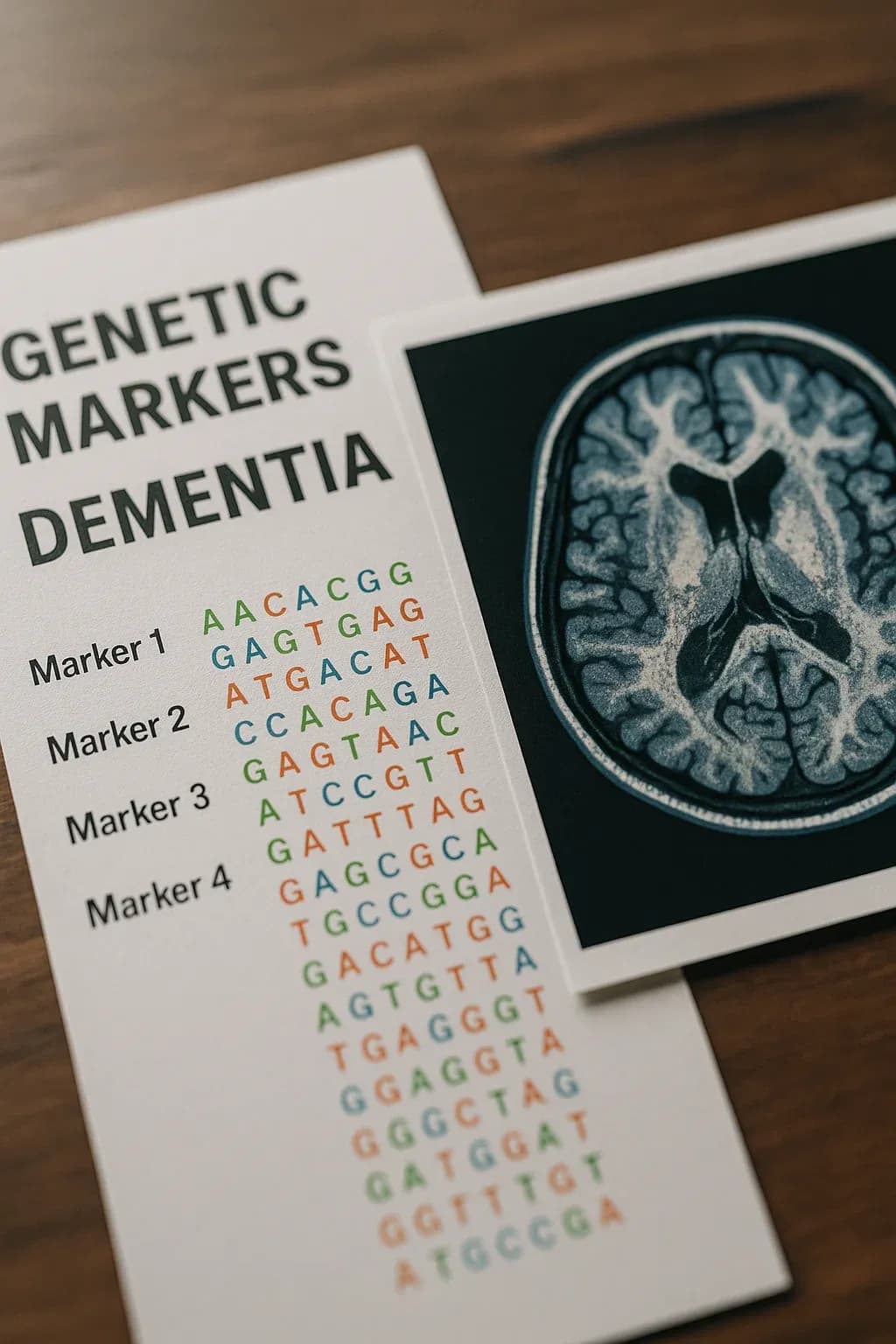
Genetic factors play a significant role in determining an individual's risk for developing dementia. Certain genes, such as the APOE-e4 allele, have been linked to a higher risk of Alzheimer's disease, the most common form of dementia. Biomarkers, including amyloid-beta and tau proteins in the cerebrospinal fluid, are being studied for their potential as early indicators of dementia. Additionally, recent advancements in neuroimaging techniques have allowed researchers to identify changes in brain structure and function that may precede the onset of symptoms. These biological indicators are crucial for developing predictive models that can identify individuals at high risk for dementia, enabling early intervention strategies.
Lifestyle and Cognitive Factors
Lifestyle choices and cognitive health are increasingly recognized as important predictors of dementia. Studies have shown that individuals with a sedentary lifestyle, poor diet, and low educational attainment are at a higher risk of developing dementia. Conversely, engaging in regular physical activity, maintaining a healthy diet rich in antioxidants, and participating in cognitive training exercises may reduce the risk. Cognitive decline, including memory lapses and difficulties with problem-solving, can also be early signs of dementia. Monitoring these cognitive changes over time can help in assessing the risk and implementing preventive measures. Public health initiatives aimed at promoting a brain-healthy lifestyle are essential to reduce the prevalence of dementia.

Discussion
No comments yet
Be the first to share your opinion!

Jennifer Trimbee

Aug 19, 2025

0 reading now
What Causes Cysts and When to Worry
Cysts are fluid-filled sacs that can develop in various parts of the body, including the skin, ovaries, and internal organs. They are usually benign, meaning they are not cancerous, and are often caused by blockages in ducts, cell proliferation, or infections. Hormonal changes, genetic factors, and chronic inflammatory conditions can also contribute to cyst formation. While most cysts are harmless and may resolve on their own, some can become problematic if they grow large, cause pain, or become infected. It's important to monitor cysts and seek medical advice if they change in size, color, or sensation, or if they occur in conjunction with other symptoms.
Read more
Jennifer Trimbee
Aug 19, 2025

Disclaimer
This site offers information designed for educational purposes only. You should not rely on any information on this site as a substitute for professional medical advice, diagnosis, treatment, or as a substitute for, professional counseling care, advice, diagnosis, or treatment. If you have any concerns or questions about your health, you should always consult with a physician or other healthcare professional.