Recognizing Symptoms of the Brain-Eating Amoeba
Diseases and Conditions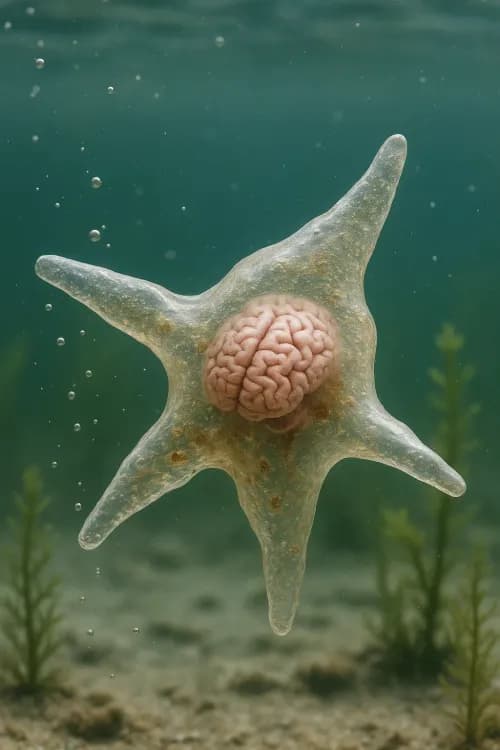
The brain-eating amoeba, scientifically known as Naegleria fowleri, is a rare but deadly organism that causes a devastating infection of the brain called primary amebic meningoencephalitis (PAM). This amoeba is typically found in warm freshwater environments such as lakes, rivers, and hot springs. Infection occurs when contaminated water enters the body through the nose, allowing the amoeba to travel to the brain. Initial symptoms of PAM can be confused with those of bacterial meningitis, making early recognition and diagnosis crucial for effective treatment. Symptoms typically appear within one to nine days after exposure and can progress rapidly, leading to severe health complications or death within a week. Awareness of the signs and symptoms is vital to seek timely medical intervention. With increased travel and recreational activities in freshwater bodies, understanding the risks and symptoms associated with Naegleria fowleri is more important than ever.
Early Symptoms and Diagnosis
Early symptoms of a Naegleria fowleri infection resemble those of bacterial meningitis, which includes headache, fever, nausea, and vomiting. These symptoms can appear suddenly and are often overlooked or misdiagnosed, given their similarity to common viral infections. As the amoeba progresses into the brain, more severe symptoms such as a stiff neck, confusion, lack of attention to people and surroundings, loss of balance, seizures, and hallucinations may occur. Early diagnosis is challenging but critical. Healthcare providers may use cerebrospinal fluid analysis, brain scans, and specific laboratory tests to detect the presence of the amoeba. However, due to the rarity of the infection, these diagnostic tests are not commonly performed unless there's a high suspicion of exposure. Raising awareness about the environments where Naegleria fowleri thrives and potential exposure scenarios can aid in quicker recognition and diagnosis.
Progression and Advanced Symptoms
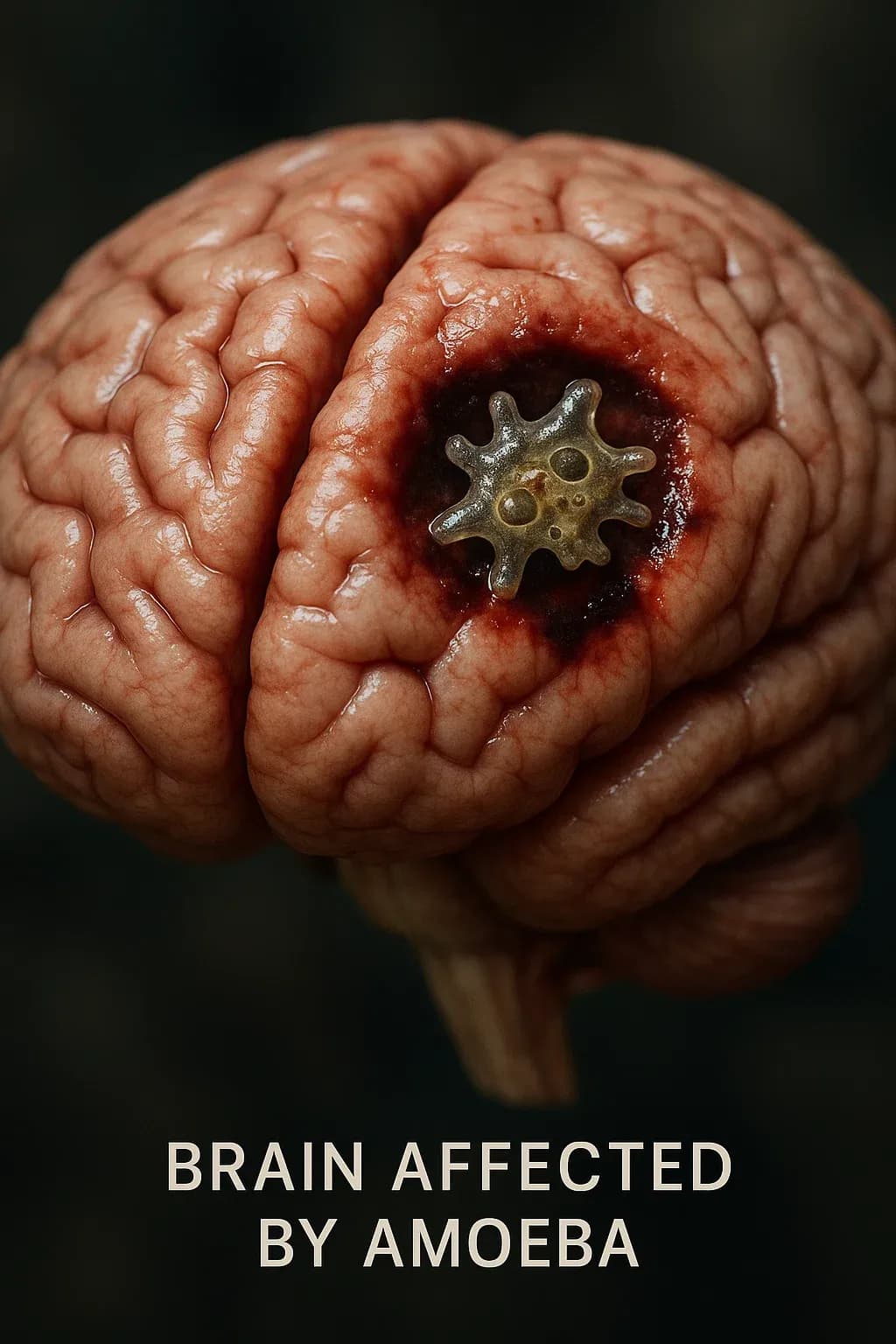
As the infection progresses, the symptoms of Naegleria fowleri become more severe and life-threatening. Patients may experience a worsening headache, high fever, and increased disorientation. Neurological symptoms become pronounced, with the possibility of seizures and coma as the amoeba causes significant damage to brain tissues. Advanced symptoms can also include abnormal behavior, impaired speech, and vision disturbances. Due to the rapid progression of the disease, immediate medical attention is critical. Treatment options are limited and often involve a combination of antifungal medications and supportive care. Despite aggressive treatment, the fatality rate remains high, emphasizing the importance of prevention and early detection. Understanding the advanced symptoms can help individuals and healthcare providers identify the infection sooner, potentially improving outcomes.

Discussion
No comments yet
Be the first to share your opinion!

Jennifer Trimbee

Aug 19, 2025

0 reading now
What Causes Cysts and When to Worry
Cysts are fluid-filled sacs that can develop in various parts of the body, including the skin, ovaries, and internal organs. They are usually benign, meaning they are not cancerous, and are often caused by blockages in ducts, cell proliferation, or infections. Hormonal changes, genetic factors, and chronic inflammatory conditions can also contribute to cyst formation. While most cysts are harmless and may resolve on their own, some can become problematic if they grow large, cause pain, or become infected. It's important to monitor cysts and seek medical advice if they change in size, color, or sensation, or if they occur in conjunction with other symptoms.
Read more
Jennifer Trimbee
Aug 19, 2025

Disclaimer
This site offers information designed for educational purposes only. You should not rely on any information on this site as a substitute for professional medical advice, diagnosis, treatment, or as a substitute for, professional counseling care, advice, diagnosis, or treatment. If you have any concerns or questions about your health, you should always consult with a physician or other healthcare professional.