What Really Causes Aphasia?
Diseases and Conditions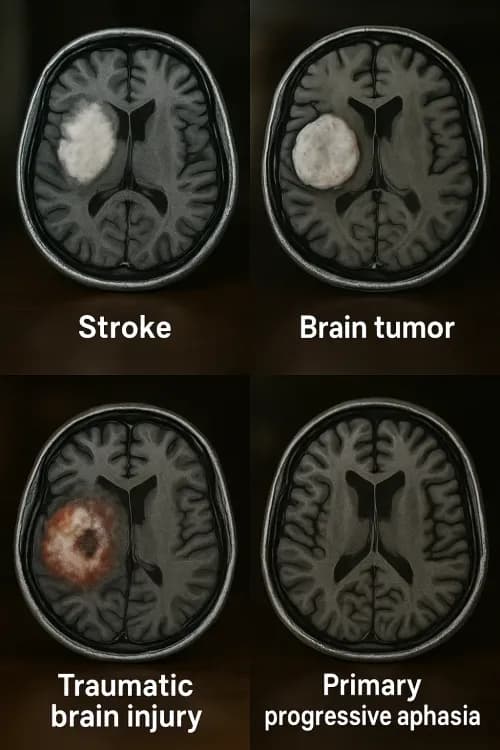
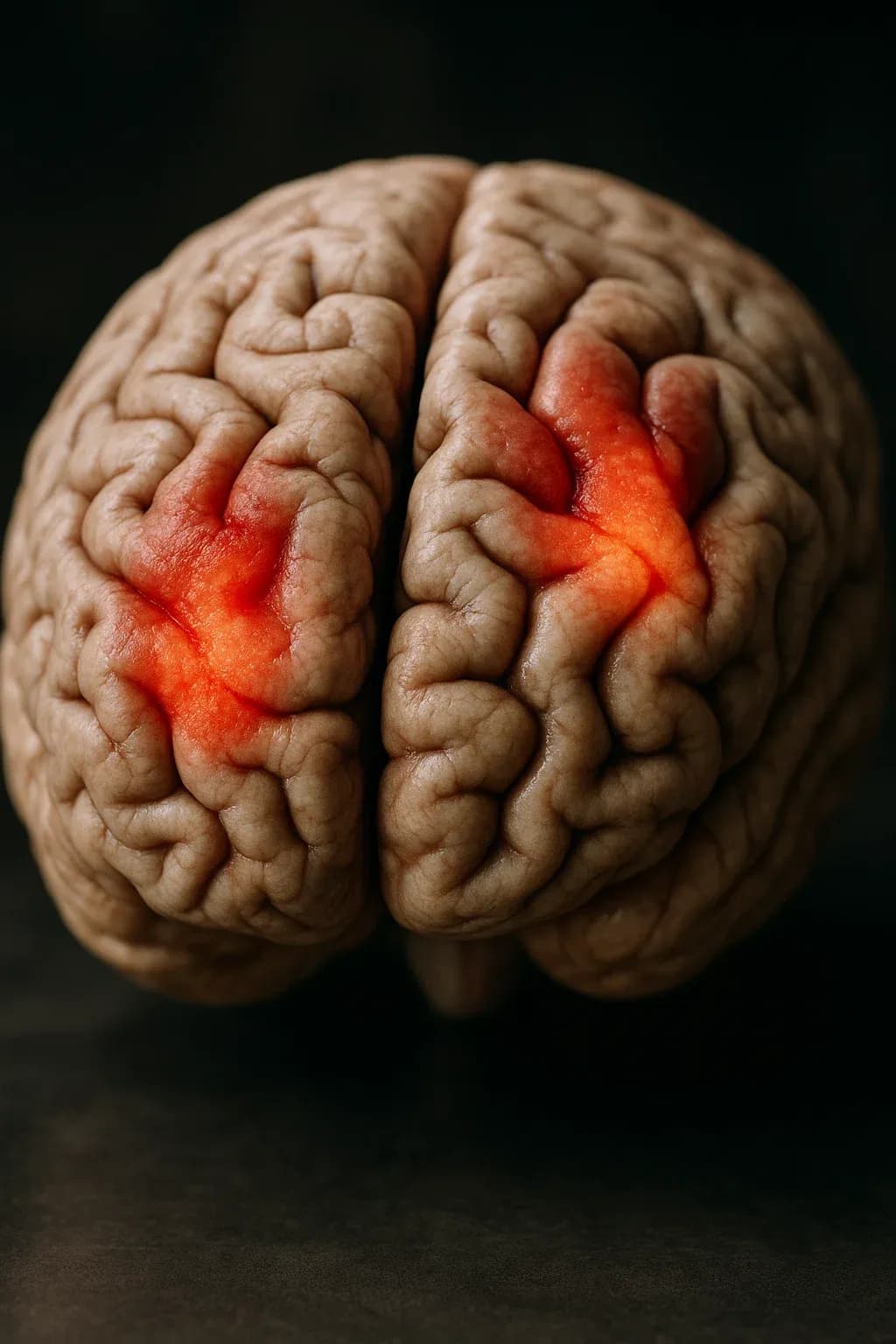
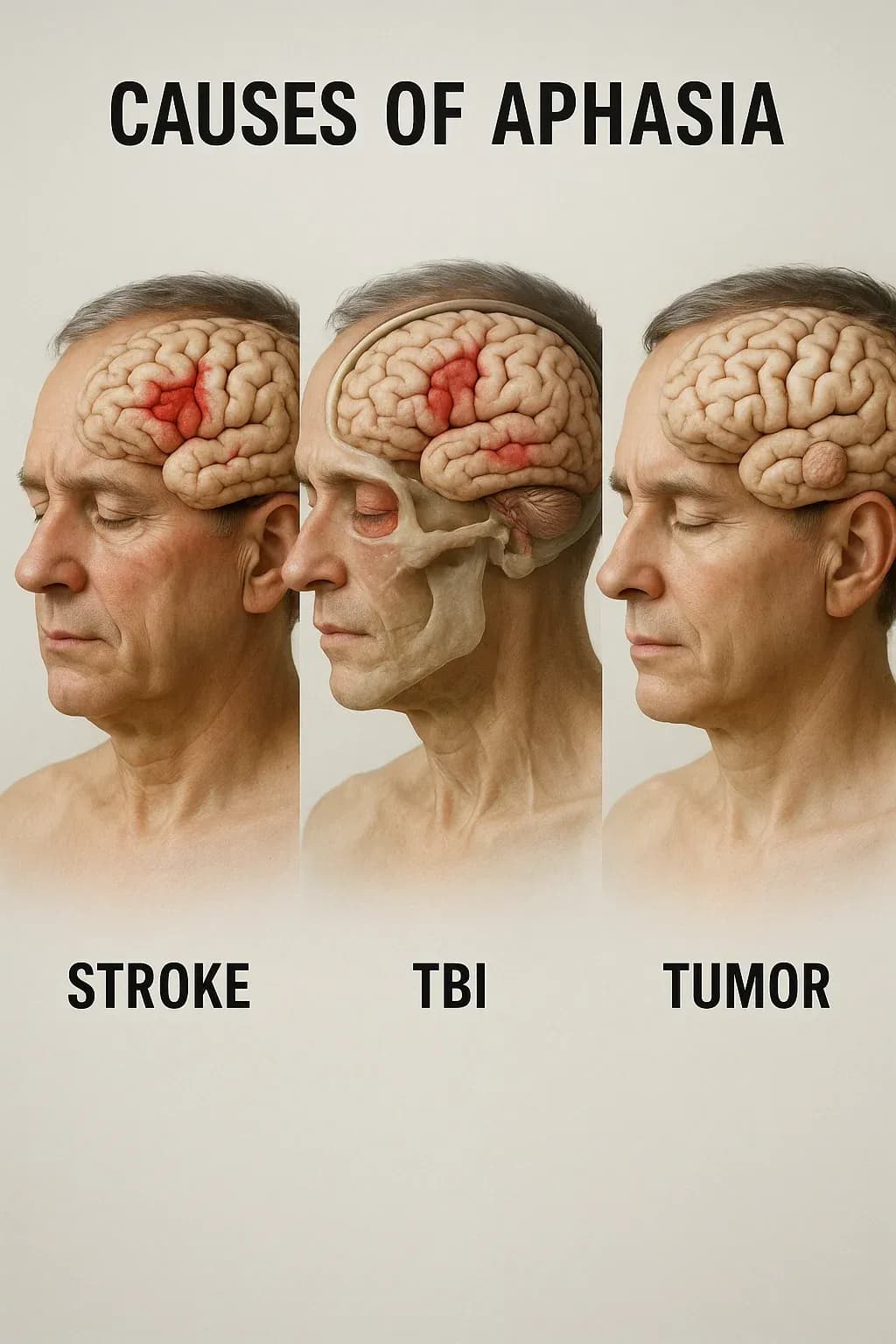
Aphasia is a complex language disorder that typically arises due to damage to specific regions of the brain responsible for language processing. Often, this condition is the result of a stroke, which disrupts blood flow to the brain and can lead to the death of brain cells. However, it's not only strokes that can cause aphasia. Other potential causes include traumatic brain injuries, brain tumors, infections, and degenerative neurological diseases such as Alzheimer's disease. Understanding the root causes of aphasia is crucial for developing effective treatments and helping those affected regain their communication skills. The severity and type of aphasia depend largely on the location and extent of the brain damage. For instance, damage to Broca's area typically results in expressive aphasia, where individuals struggle to construct grammatically correct sentences. On the other hand, damage to Wernicke's area often leads to receptive aphasia, where comprehension of spoken language is impaired. With modern neuroimaging techniques, researchers can pinpoint the exact areas of damage and tailor rehabilitation efforts accordingly.
The Impact of Stroke on Aphasia
Strokes are the most common cause of aphasia, accounting for approximately 25% to 40% of all cases. A stroke occurs when the blood supply to part of the brain is interrupted or reduced, preventing brain tissue from getting oxygen and nutrients. This can lead to the death of brain cells within minutes. In the context of aphasia, strokes usually affect the left hemisphere of the brain, which is responsible for language in most right-handed individuals and many left-handed individuals. The extent and location of the brain injury determine the severity and classification of aphasia. For example, a stroke affecting the middle cerebral artery can lead to global aphasia, where both expressive and receptive language abilities are severely compromised. Rehabilitation for stroke-induced aphasia often involves speech-language therapy, which focuses on restoring as much language function as possible and finding alternative ways to communicate. Research is ongoing to improve recovery outcomes, such as using transcranial magnetic stimulation and other novel therapeutic approaches.
Other Causes and Risk Factors
While strokes are the primary cause, aphasia can also result from other types of brain damage. Traumatic brain injuries (TBIs), such as those sustained in car accidents or falls, can lead to aphasia if the language areas of the brain are affected. Brain tumors, particularly those located in the left hemisphere, can also disrupt language processing abilities. Infections that lead to encephalitis or meningitis can cause swelling and damage to brain tissue, potentially resulting in aphasia. Furthermore, progressive neurological disorders such as Alzheimer's disease and other forms of dementia can gradually impair language abilities. Risk factors for developing aphasia include age, with older adults being more susceptible, and lifestyle factors such as hypertension, smoking, and high cholesterol, which increase the risk of stroke. Early detection and intervention are crucial in managing aphasia. Multidisciplinary approaches involving neurologists, speech therapists, and occupational therapists are often employed to address the diverse challenges posed by this condition.
Discussion
No comments yet
Be the first to share your opinion!

Jennifer Trimbee

Aug 19, 2025

0 reading now
What Causes Cysts and When to Worry
Cysts are fluid-filled sacs that can develop in various parts of the body, including the skin, ovaries, and internal organs. They are usually benign, meaning they are not cancerous, and are often caused by blockages in ducts, cell proliferation, or infections. Hormonal changes, genetic factors, and chronic inflammatory conditions can also contribute to cyst formation. While most cysts are harmless and may resolve on their own, some can become problematic if they grow large, cause pain, or become infected. It's important to monitor cysts and seek medical advice if they change in size, color, or sensation, or if they occur in conjunction with other symptoms.
Read more
Jennifer Trimbee
Aug 19, 2025

Disclaimer
This site offers information designed for educational purposes only. You should not rely on any information on this site as a substitute for professional medical advice, diagnosis, treatment, or as a substitute for, professional counseling care, advice, diagnosis, or treatment. If you have any concerns or questions about your health, you should always consult with a physician or other healthcare professional.