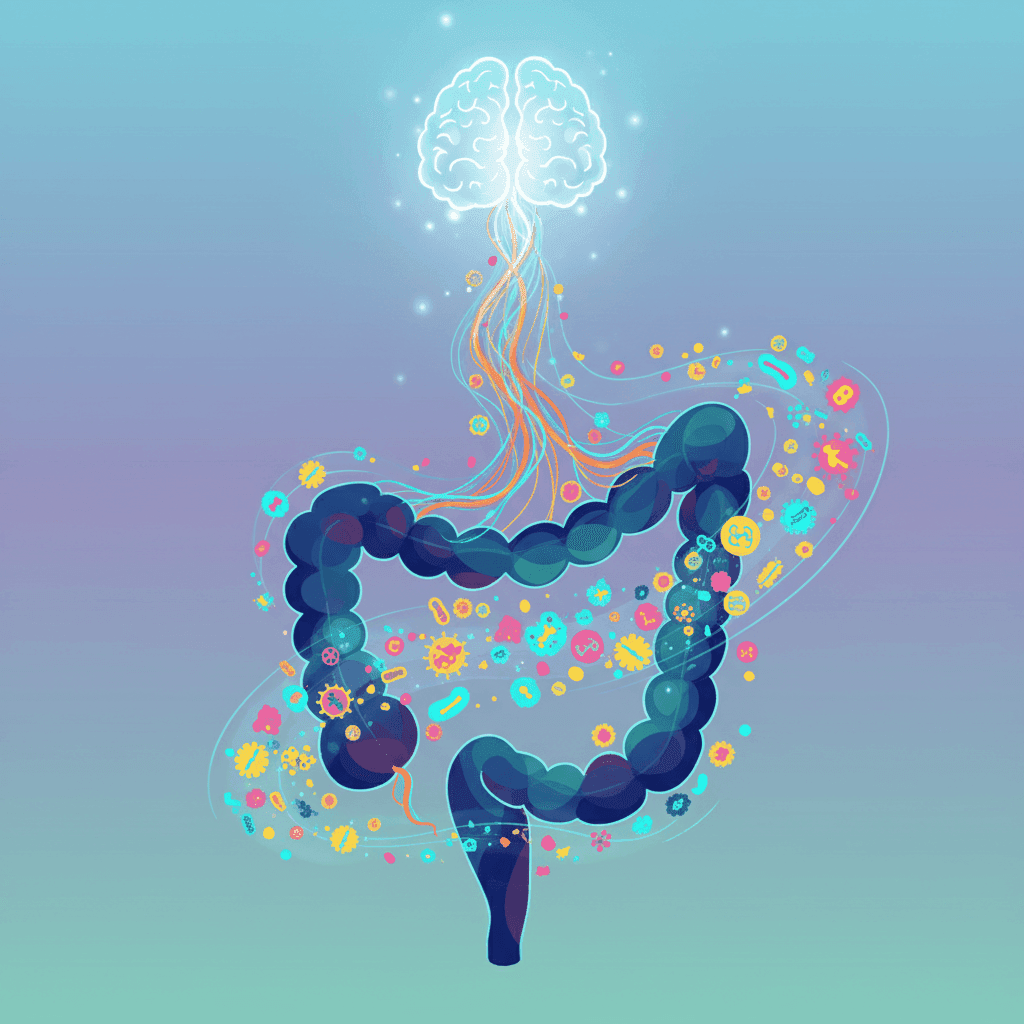
Unlocking the Gut-Mood Connection: How Your Microbiome Influences Mental Well-being
Discover the profound link between your gut health and mental well-being. Explore the gut-brain axis, how microbiome impacts mood, and practical steps to foster a happier mind. It's becoming increasingly clear that the phrase 'gut feeling' holds more scientific weight than previously imagined. Far from being merely a digestive organ, your gut is a complex ecosystem, often referred to as your 'second brain,' directly influencing your emotional landscape and cognitive functions. This intricate connection, known as the `gut-brain axis`, involves a sophisticated bidirectional communication pathway between your enteric nervous system (ENS) in the gut and your central nervous system (CNS) in the brain. The trillions of microorganisms residing in your digestive tract, collectively known as the `microbiome`, play a pivotal role in this dialogue. These microscopic inhabitants are not just passive residents; they actively produce vital compounds, including a significant portion of the body's `serotonin` – a key `neurotransmitter` regulating mood, sleep, and appetite. When your gut flora is imbalanced, it can send signals that disrupt brain function, potentially contributing to feelings of anxiety, depression, and even impacting decision-making. Understanding this fundamental relationship is the first step towards harnessing your digestive system's power to cultivate a more resilient and positive `mental health` state.