Unlocking the Gut-Mood Connection: How Your Microbiome Influences Mental Well-being
Your Health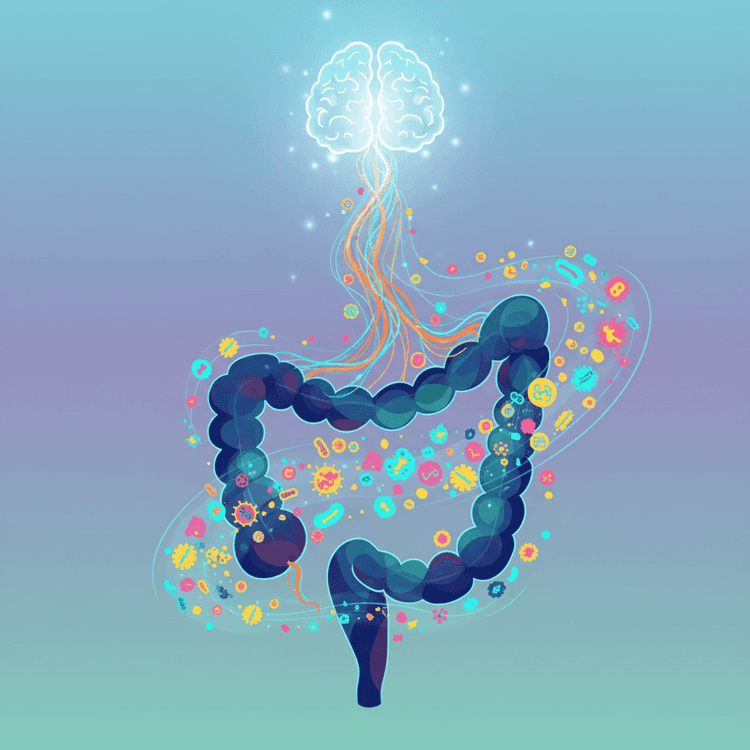
Discover the profound link between your gut health and mental well-being. Explore the gut-brain axis, how microbiome impacts mood, and practical steps to foster a happier mind. It's becoming increasingly clear that the phrase 'gut feeling' holds more scientific weight than previously imagined. Far from being merely a digestive organ, your gut is a complex ecosystem, often referred to as your 'second brain,' directly influencing your emotional landscape and cognitive functions. This intricate connection, known as the `gut-brain axis`, involves a sophisticated bidirectional communication pathway between your enteric nervous system (ENS) in the gut and your central nervous system (CNS) in the brain. The trillions of microorganisms residing in your digestive tract, collectively known as the `microbiome`, play a pivotal role in this dialogue. These microscopic inhabitants are not just passive residents; they actively produce vital compounds, including a significant portion of the body's `serotonin` – a key `neurotransmitter` regulating mood, sleep, and appetite. When your gut flora is imbalanced, it can send signals that disrupt brain function, potentially contributing to feelings of anxiety, depression, and even impacting decision-making. Understanding this fundamental relationship is the first step towards harnessing your digestive system's power to cultivate a more resilient and positive `mental health` state.
The Gut-Brain Axis: Your Body's Internal Communication Network
The `gut-brain axis` is a superhighway of communication, linking your gastrointestinal tract directly to your brain. This isn't a one-way street; it's a dynamic, two-way dialogue facilitated by a complex interplay of neural, hormonal, and immunological pathways. A primary player in this connection is the `vagus nerve`, the longest cranial nerve, which acts like a direct phone line, transmitting signals from the gut to the brain and vice versa. For instance, when you experience stress, your brain sends signals down the vagus nerve, which can alter gut motility, increase gut permeability, and change the composition of your `microbiome`. Conversely, the bacteria in your gut produce `neurotransmitters` like gamma-aminobutyric acid (GABA), which calms the nervous system, and an astonishing 90% of the body's `serotonin`, a crucial mood stabilizer. When this delicate balance is disrupted, perhaps by a poor diet or chronic stress, it can lead to gut dysbiosis, where harmful bacteria proliferate, triggering systemic `inflammation` that can cross the blood-brain barrier and affect brain function. Research has shown that individuals with depression often exhibit different gut bacterial profiles compared to healthy individuals, suggesting a strong correlation. Furthermore, the gut `immune system`, which houses about 70-80% of the body's immune cells, is in constant communication with the brain, and any immune activation in the gut can influence brain chemistry and `mental health`. For example, some gut microbes can produce short-chain fatty acids (SCFAs) like butyrate, which provides energy to colon cells and has anti-inflammatory effects, thereby indirectly supporting brain health. This intricate network means that what happens in your gut doesn't stay in your gut; it profoundly impacts your brain and overall well-being.
Nourishing Your Microbiome for Optimal Mood and Mental Health
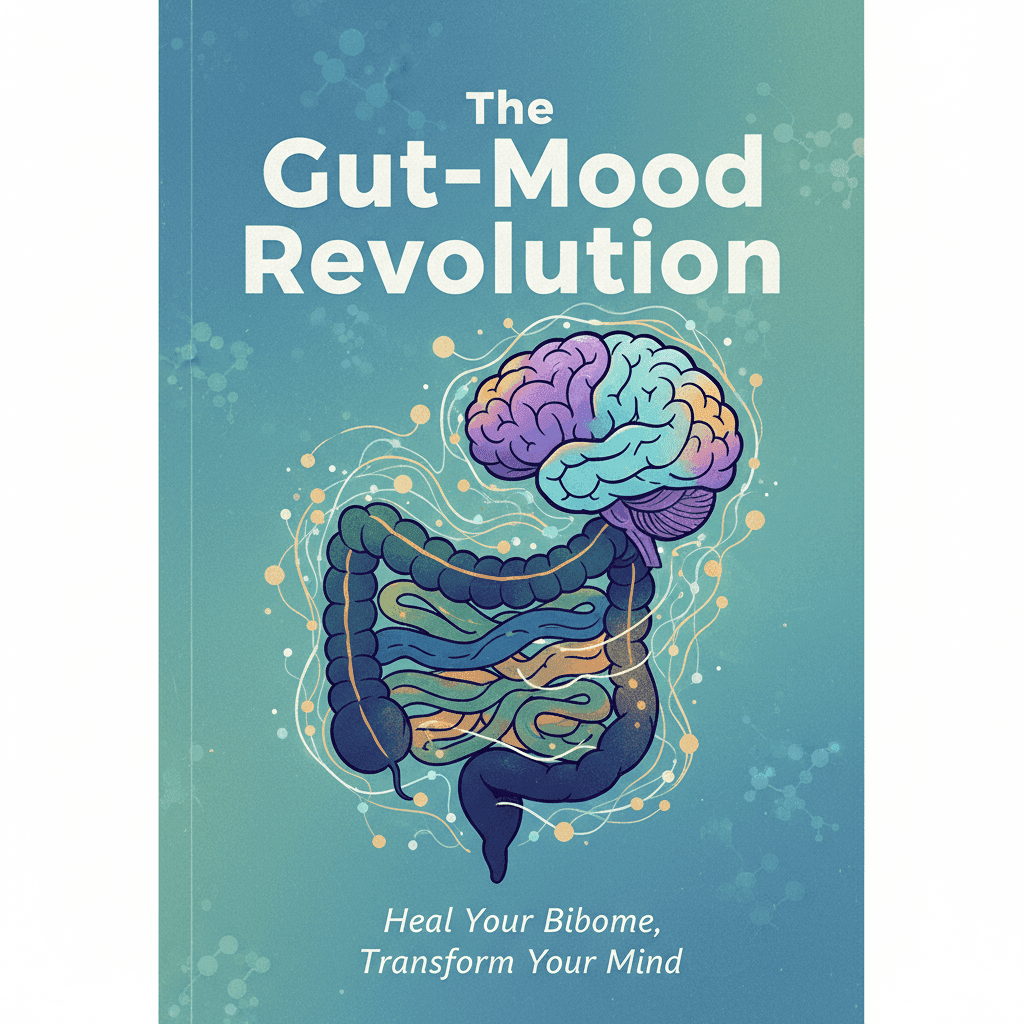
Given the profound impact of the `microbiome` on `mood`, nurturing a healthy gut becomes paramount for optimal `mental health`. The good news is that we have significant influence over our gut flora through dietary and lifestyle choices. One of the most effective strategies involves incorporating `prebiotics` and `probiotics` into your diet. Prebiotics are non-digestible food ingredients that selectively stimulate the growth and activity of beneficial bacteria in your colon; excellent sources include garlic, onions, leeks, asparagus, and bananas. `Probiotics`, on the other hand, are live beneficial bacteria found in `fermented foods` such as yogurt, kefir, sauerkraut, kimchi, and kombucha. Regular consumption of these foods can help diversify and strengthen your gut `microbiome`, potentially leading to improved mood and reduced anxiety. Beyond diet, lifestyle factors play a crucial role. Chronic stress can negatively alter gut composition, so incorporating stress-reduction techniques like `mindfulness meditation`, yoga, or spending time in nature can be highly beneficial. Adequate sleep is also vital, as sleep deprivation can disrupt the gut barrier and promote `inflammation`. Regular physical activity not only benefits overall health but has also been shown to increase microbial diversity. Avoiding excessive use of antibiotics when not necessary, as well as minimizing processed foods, artificial sweeteners, and excessive sugar intake, which can feed harmful bacteria, are also important steps. By adopting these holistic approaches – focusing on a nutrient-dense diet rich in fiber, managing stress effectively, ensuring quality sleep, and staying active – you can actively cultivate a thriving gut ecosystem, thereby fostering a more balanced and positive emotional state and bolstering your resilience against `mental health` challenges.

Discussion
No comments yet
Be the first to share your opinion!

Jennifer Trimbee

Aug 19, 2025

0 reading now
What Causes Cysts and When to Worry
Cysts are fluid-filled sacs that can develop in various parts of the body, including the skin, ovaries, and internal organs. They are usually benign, meaning they are not cancerous, and are often caused by blockages in ducts, cell proliferation, or infections. Hormonal changes, genetic factors, and chronic inflammatory conditions can also contribute to cyst formation. While most cysts are harmless and may resolve on their own, some can become problematic if they grow large, cause pain, or become infected. It's important to monitor cysts and seek medical advice if they change in size, color, or sensation, or if they occur in conjunction with other symptoms.
Read more
Jennifer Trimbee
Aug 19, 2025
Disclaimer
This site offers information designed for educational purposes only. You should not rely on any information on this site as a substitute for professional medical advice, diagnosis, treatment, or as a substitute for, professional counseling care, advice, diagnosis, or treatment. If you have any concerns or questions about your health, you should always consult with a physician or other healthcare professional.