Nourish Your Pancreas with These 20 Foods
Lifestyle and Welness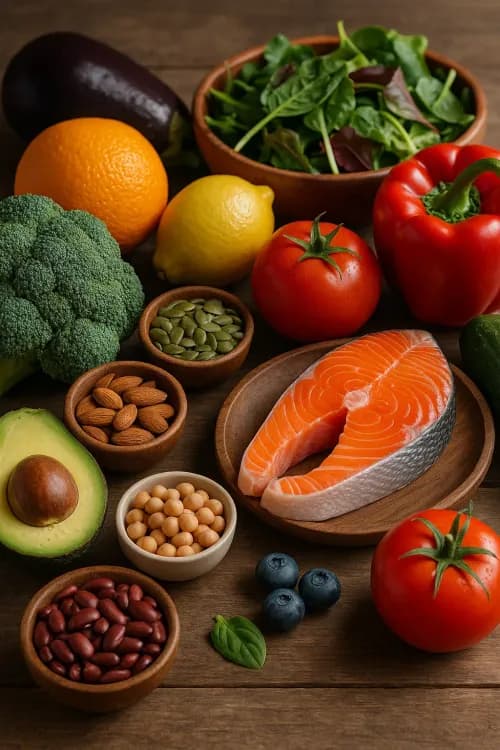
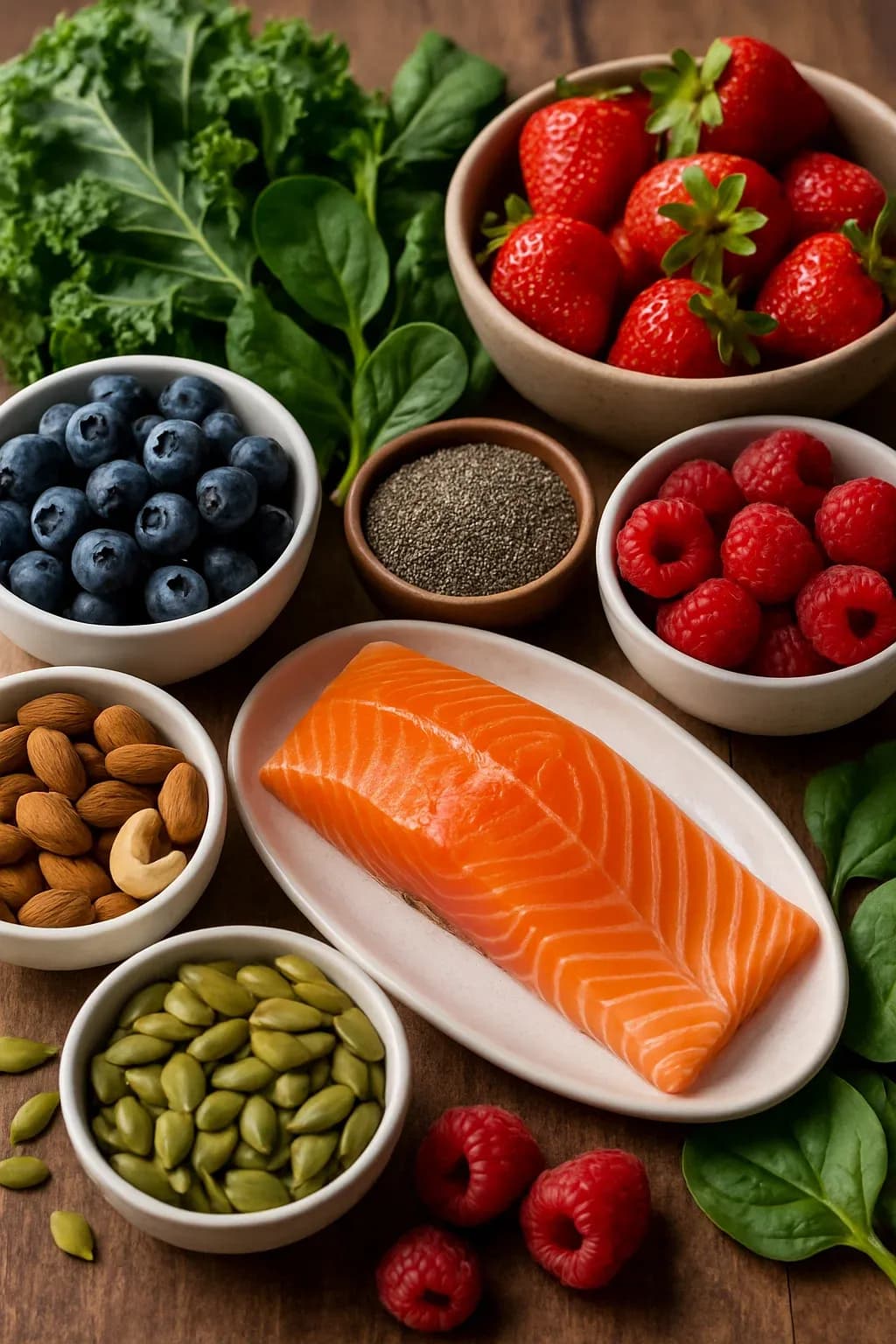
Your pancreas plays a crucial role in digestion and regulating blood sugar levels. By incorporating certain foods into your diet, you can support this vital organ's health and functionality. Foods high in fiber, antioxidants, and healthy fats are particularly beneficial. Leafy greens such as spinach and kale are packed with vitamins A, C, and K, which help reduce inflammation. Berries like blueberries and strawberries are rich in antioxidants, aiding in the protection of pancreatic cells from damage. Additionally, nuts and seeds, including almonds and flaxseeds, provide essential fatty acids that support pancreatic function. Fish rich in omega-3 fatty acids, such as salmon and sardines, can also reduce inflammation and promote healthy digestion. Lastly, whole grains like quinoa and brown rice offer fiber that helps regulate blood sugar levels and maintain digestive health. Including these foods in your diet can contribute to a healthier pancreas and overall well-being.
Top Foods to Support Pancreatic Health
Incorporating a variety of nutrient-dense foods into your diet can significantly enhance pancreatic health. Cruciferous vegetables, such as broccoli and Brussels sprouts, contain compounds that may reduce the risk of pancreatic cancer. Sweet potatoes, rich in beta-carotene, not only boost immunity but also support pancreatic function. Garlic, known for its anti-inflammatory properties, can help reduce pancreatic inflammation. Turmeric, with its active ingredient curcumin, has been shown to combat inflammation and support digestion. Yogurt with live cultures improves gut health, indirectly benefiting the pancreas by aiding digestion and nutrient absorption. Lentils and beans are excellent sources of plant-based protein and fiber, supporting blood sugar regulation. By diversifying your diet with these foods, you can provide your pancreas with the nutrients it needs to function optimally.
Additional Tips for Pancreatic Wellness
Beyond diet, there are several lifestyle changes that can further support pancreatic health. Regular physical activity helps maintain a healthy weight and improves insulin sensitivity, reducing the pancreas's workload. Staying hydrated is also crucial, as water aids in digestion and nutrient absorption. Limiting alcohol intake is important, as excessive consumption can lead to pancreatitis. Incorporating stress-reducing practices, such as yoga or meditation, can also be beneficial, as stress can negatively impact pancreatic function. Regular medical check-ups and monitoring blood sugar levels can help detect any early signs of pancreatic issues. By combining these lifestyle habits with a balanced diet rich in the aforementioned foods, you can significantly enhance your pancreatic health and overall quality of life.

Discussion
No comments yet
Be the first to share your opinion!

Jennifer Trimbee

Aug 19, 2025

0 reading now
What Causes Cysts and When to Worry
Cysts are fluid-filled sacs that can develop in various parts of the body, including the skin, ovaries, and internal organs. They are usually benign, meaning they are not cancerous, and are often caused by blockages in ducts, cell proliferation, or infections. Hormonal changes, genetic factors, and chronic inflammatory conditions can also contribute to cyst formation. While most cysts are harmless and may resolve on their own, some can become problematic if they grow large, cause pain, or become infected. It's important to monitor cysts and seek medical advice if they change in size, color, or sensation, or if they occur in conjunction with other symptoms.
Read more
Jennifer Trimbee
Aug 19, 2025
Disclaimer
This site offers information designed for educational purposes only. You should not rely on any information on this site as a substitute for professional medical advice, diagnosis, treatment, or as a substitute for, professional counseling care, advice, diagnosis, or treatment. If you have any concerns or questions about your health, you should always consult with a physician or other healthcare professional.