22 Healthy Breakfast Foods (And Drinks)
Lifestyle and Welness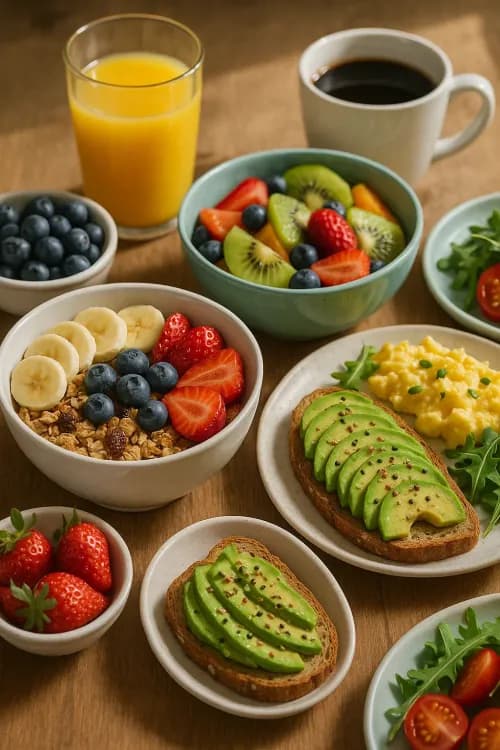
Starting your day with a healthy breakfast is crucial for maintaining energy levels and overall well-being. A nutritious morning meal can improve concentration, aid in weight management, and provide essential nutrients to kickstart your day. This article explores a variety of healthy breakfast options, ranging from protein-rich foods to nutrient-packed beverages, ensuring you have plenty of options to choose from. Whether you're a fan of hearty oats, refreshing smoothies, or protein-packed eggs, there's something here to suit every taste and dietary preference. By incorporating these foods into your morning routine, you can enhance your health and start your day on the right foot.
Nutrient-Dense Foods to Kickstart Your Day
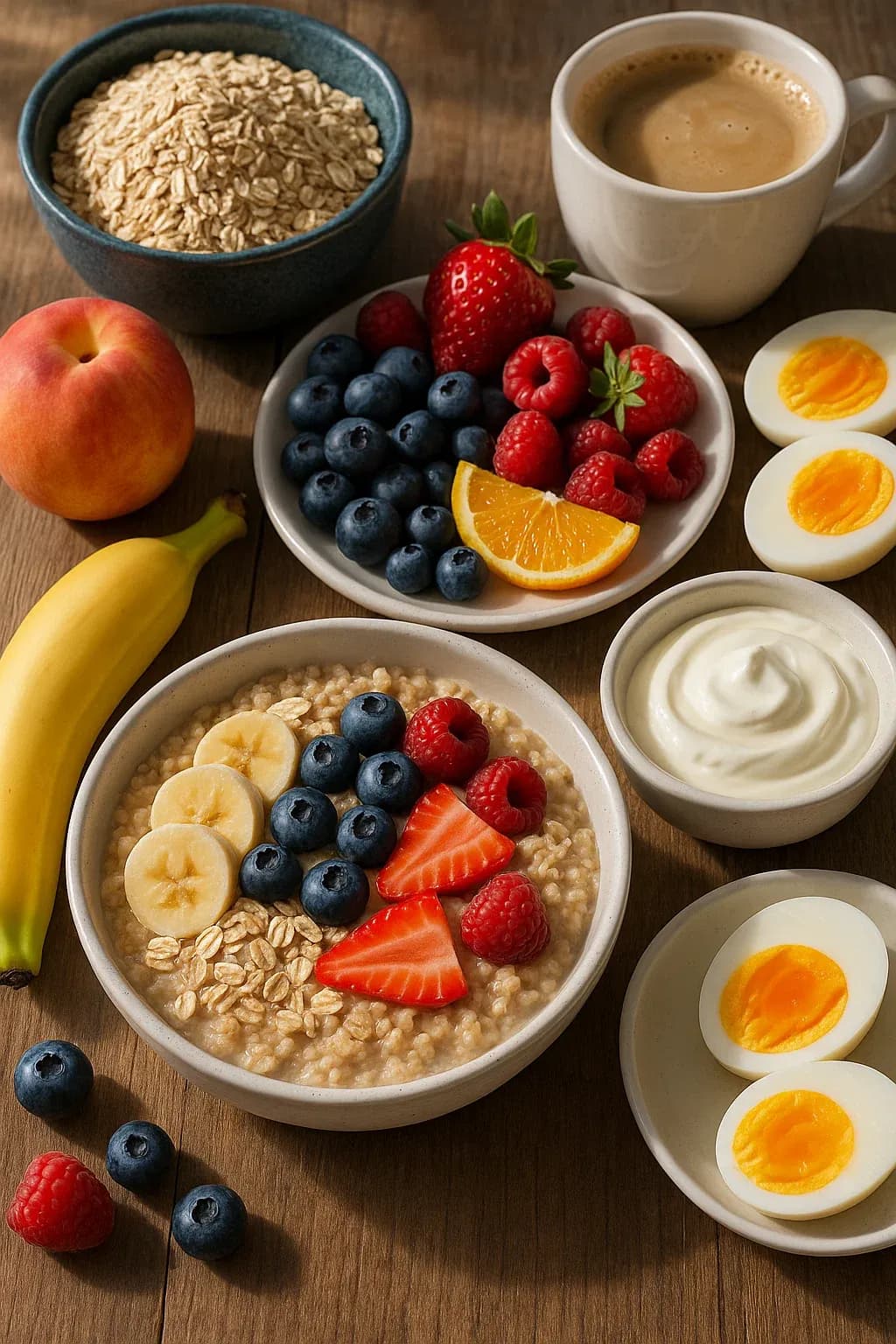
Breakfast is often hailed as the most important meal of the day, and for good reason. Consuming a balanced breakfast can set the tone for your entire day, providing you with the nutrients and energy needed to tackle your to-do list. Oats are an excellent option, offering a source of complex carbohydrates that release energy slowly, keeping you full for longer. Adding fruits like berries or bananas not only enhances the flavor but also boosts your intake of vitamins and antioxidants. Eggs are another powerhouse breakfast food, rich in protein and essential nutrients like choline, which supports brain function. Greek yogurt is a versatile option, providing probiotics for gut health, and can be paired with nuts or seeds for added fiber and healthy fats. Whole grain toast topped with avocado or nut butter is another delicious and satisfying choice, offering a good balance of macronutrients.
Hydrating and Nutritious Morning Beverages
In addition to solid foods, incorporating healthy drinks into your breakfast can amplify the nutritional benefits. Starting your day with a glass of water is essential for rehydrating your body after a night's rest. Green tea and herbal teas offer a refreshing alternative to coffee, providing antioxidants and other health benefits without the caffeine crash. Smoothies are a fantastic option for those on the go, allowing you to blend fruits, vegetables, and even protein powders into a delicious and portable meal. Adding a handful of spinach or kale can increase the vitamin and mineral content, while a scoop of protein powder can help keep you satiated. For those who enjoy milk, opting for plant-based alternatives such as almond or oat milk can provide a dairy-free option rich in vitamins and minerals. Kombucha, a fermented tea, is also gaining popularity for its probiotic content and potential digestive benefits.

Discussion
No comments yet
Be the first to share your opinion!

Jennifer Trimbee

Aug 19, 2025

0 reading now
What Causes Cysts and When to Worry
Cysts are fluid-filled sacs that can develop in various parts of the body, including the skin, ovaries, and internal organs. They are usually benign, meaning they are not cancerous, and are often caused by blockages in ducts, cell proliferation, or infections. Hormonal changes, genetic factors, and chronic inflammatory conditions can also contribute to cyst formation. While most cysts are harmless and may resolve on their own, some can become problematic if they grow large, cause pain, or become infected. It's important to monitor cysts and seek medical advice if they change in size, color, or sensation, or if they occur in conjunction with other symptoms.
Read more
Jennifer Trimbee
Aug 19, 2025
Disclaimer
This site offers information designed for educational purposes only. You should not rely on any information on this site as a substitute for professional medical advice, diagnosis, treatment, or as a substitute for, professional counseling care, advice, diagnosis, or treatment. If you have any concerns or questions about your health, you should always consult with a physician or other healthcare professional.