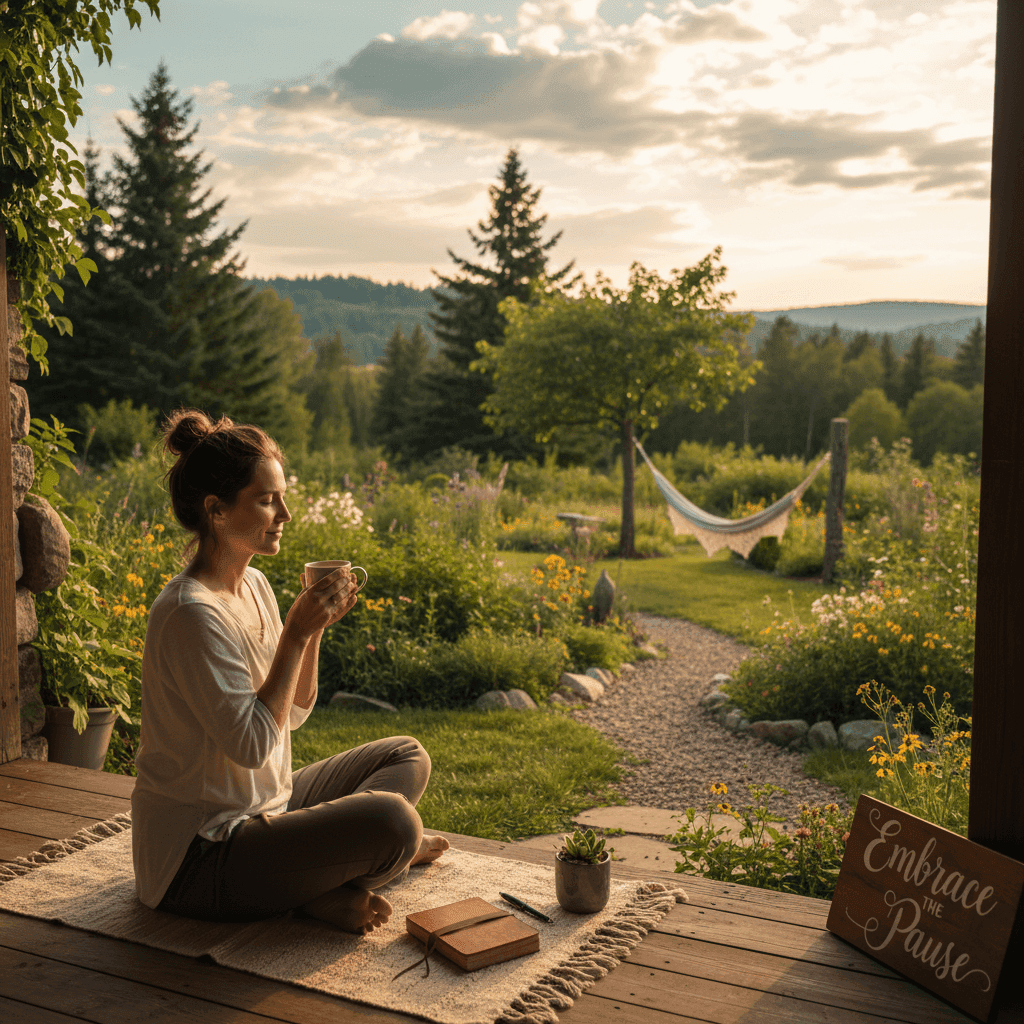
Embrace the Pause: Your Guide to a Slower, Richer Life
Lifestyle and Welness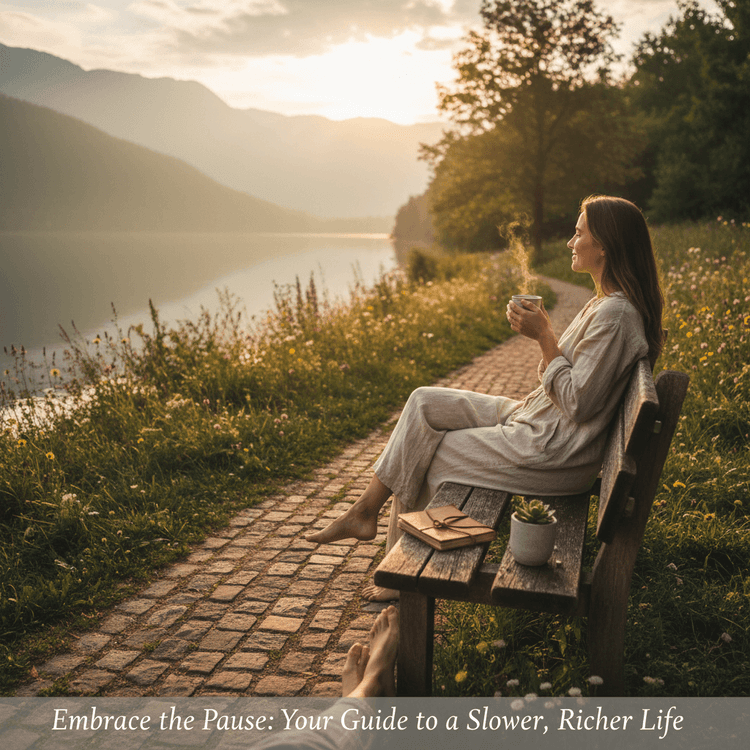
In a world that constantly demands more, faster, and bigger, have you ever felt an undeniable pull towards something different, something calmer, something more meaningful? This post is your essential guide to understanding and truly embracing the transformative power of slow living. Far from being about laziness or inaction, slow living is a profound philosophy centered on intentionality, mindfulness, and a deliberate recalibration of your priorities. We dive deep into how you can consciously step away from the relentless churn of hustle culture, reclaim your precious time and energy, and cultivate an existence rich in purpose and presence. Discover practical strategies for integrating this life-affirming approach into your daily routine, from simple practices that foster genuine connection with your surroundings to techniques for decluttering not just your physical space, but also your digital landscape and mental bandwidth. Learn how to savor the small, often-overlooked joys, practice deep appreciation for everyday moments, and redefine your personal metrics for success away from external validation. We explore how adopting a slow living mindset can significantly reduce stress, mitigate the risks of burnout, and foster a robust sense of inner peace. This comprehensive exploration offers insights into building resilience, prioritizing genuine well-being over superficial achievements, and forging stronger, more authentic relationships. If you're yearning to escape the endless cycle of obligation and instead cultivate a life brimming with genuine contentment, quiet joy, and profound authenticity, then prepare to unlock the pathway to a more harmonious and fulfilling existence. It's time to slow down, breathe deeply, and truly live.
From Burnout to Bliss: Embracing the Transformative Power of Slow Living
The relentless pace of modern life often pushes us to the brink, manifesting as chronic stress, pervasive exhaustion, and ultimately, burnout – a debilitating state where our energy reserves are depleted, and genuine joy feels like a distant memory. But what if there was a profound antidote, not merely a temporary escape, but a transformative philosophy capable of converting this very struggle into a wellspring of deep contentment and profound meaning? This is the empowering promise of slow living, a deliberate and conscious recalibration of our existence that consciously steps away from the relentless churn of hustle culture and the endless cycle of obligation. It’s a powerful invitation to reclaim our precious time and vital energy, fostering a life truly rich in purpose and authentic presence. Far from promoting laziness or inaction, slow living champions intentionality and mindfulness, urging us to savor the small, often-overlooked joys, practice deep appreciation for everyday moments, and fundamentally redefine our personal metrics for success away from external validation and superficial achievements. By embracing this life-affirming approach, you don't just mitigate the immediate risks of burnout; you actively cultivate a robust and enduring sense of inner peace, build profound resilience against life's inevitable pressures, and forge stronger, more authentic relationships rooted in genuine connection. It’s about prioritizing genuine well-being over fleeting accomplishments, fostering a quiet, abiding joy, and moving definitively from the brink of exhaustion towards a life overflowing with profound authenticity and harmonious fulfillment, a true journey from burnout to bliss.
Reclaiming Your Pace: The Transformative Power of Slow Living
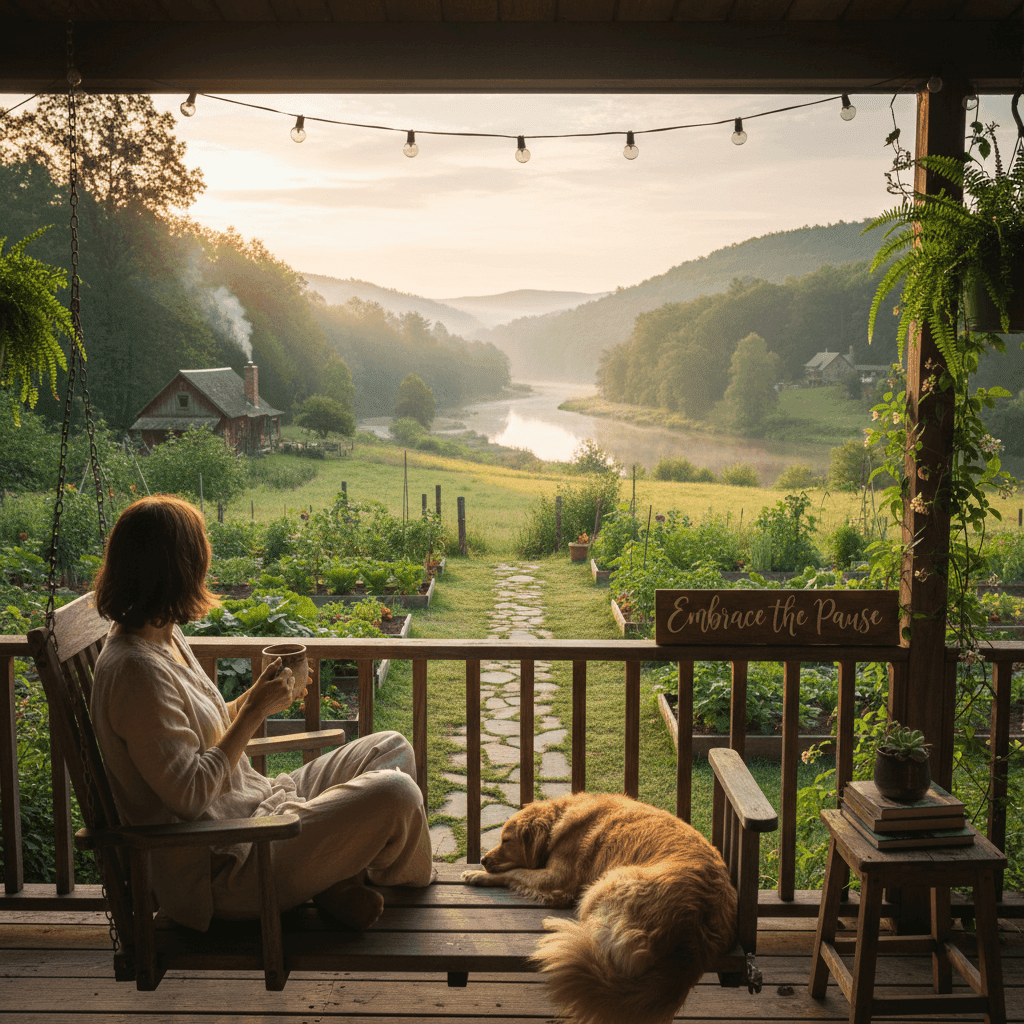
In a world relentlessly pushing for more speed and constant output, the very notion of "slow living" might seem counterintuitive, yet it offers a profound and much-needed recalibration for our modern lives. Far from advocating for inaction or a complete withdrawal, slow living is a deliberate, conscious philosophy rooted in intentionality, mindfulness, and a profound re-evaluation of personal priorities. It’s an invitation to step away from the relentless churn of hustle culture, to consciously disengage from the endless cycle of obligation that often leaves us feeling depleted and unfulfilled. By embracing this transformative approach, you reclaim precious time and energy, redirecting them towards what truly matters, cultivating an existence rich in purpose, presence, and genuine connection. This isn't about doing less, but about doing what you do with greater awareness and deeper appreciation. It's about learning to savor the small, often-overlooked joys, practicing deep appreciation for everyday moments, and redefining your personal metrics for success away from external validation and superficial achievements. The power of slow living lies in its ability to significantly reduce stress, mitigate the risks of burnout, and foster a robust sense of inner peace, building resilience against life's demands. It guides you towards forging stronger, more authentic relationships and prioritizing genuine well-being over fleeting accomplishments, ultimately unlocking a pathway to a more harmonious and fulfilling existence where you can truly slow down, breathe deeply, and authentically live your life on your own terms.
Discussion
No comments yet
Be the first to share your opinion!

Jennifer Trimbee

Aug 19, 2025
0 reading now
What Causes Cysts and When to Worry
Cysts are fluid-filled sacs that can develop in various parts of the body, including the skin, ovaries, and internal organs. They are usually benign, meaning they are not cancerous, and are often caused by blockages in ducts, cell proliferation, or infections. Hormonal changes, genetic factors, and chronic inflammatory conditions can also contribute to cyst formation. While most cysts are harmless and may resolve on their own, some can become problematic if they grow large, cause pain, or become infected. It's important to monitor cysts and seek medical advice if they change in size, color, or sensation, or if they occur in conjunction with other symptoms.
Read more
Jennifer Trimbee
Aug 19, 2025
Disclaimer
This site offers information designed for educational purposes only. You should not rely on any information on this site as a substitute for professional medical advice, diagnosis, treatment, or as a substitute for, professional counseling care, advice, diagnosis, or treatment. If you have any concerns or questions about your health, you should always consult with a physician or other healthcare professional.