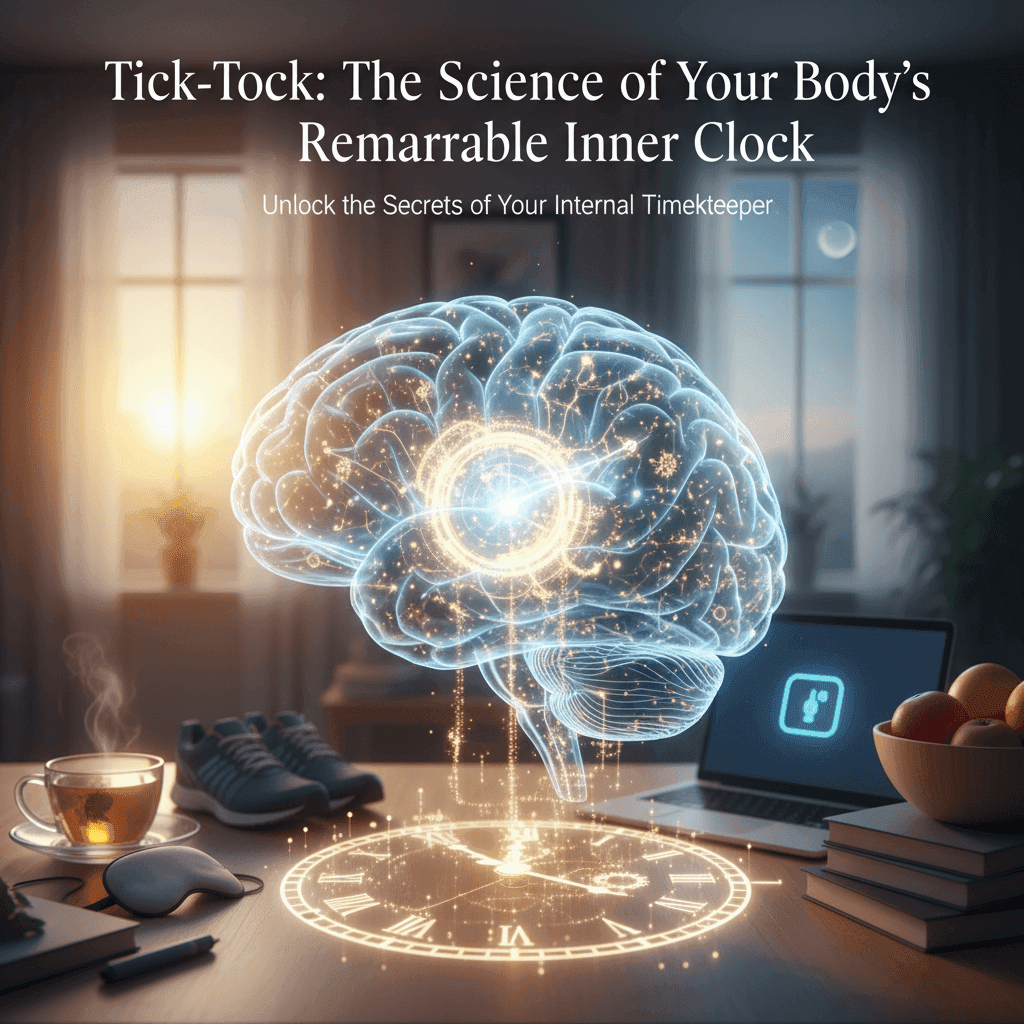
Tick-Tock: The Science of Your Body's Remarkable Inner Clock
Your Health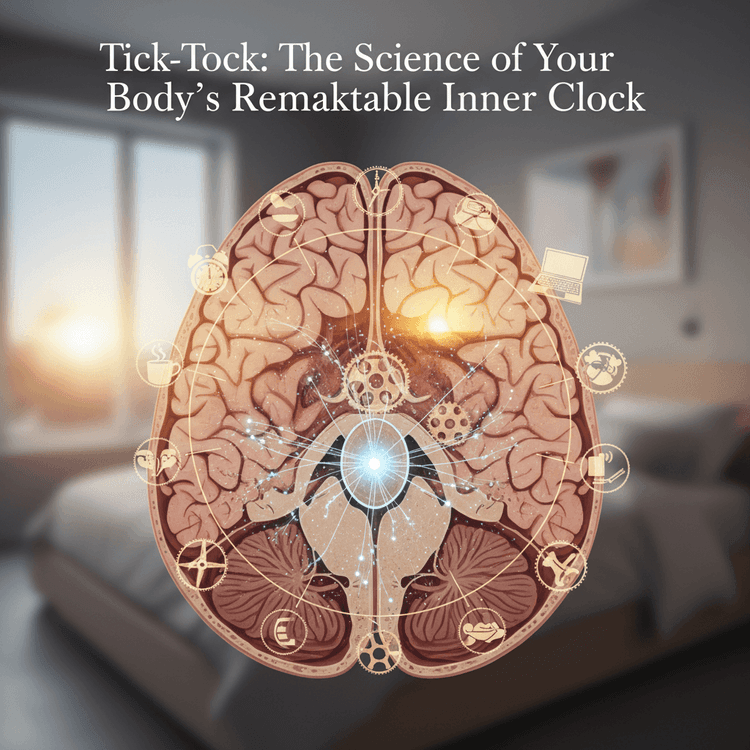
Delve deep into the fascinating world of your body's innate biological rhythm, often referred to as your "inner clock." This intricate system, scientifically known as your circadian rhythm, orchestrates a symphony of physiological and behavioral changes over roughly a 24-hour cycle. Far from being a mere timekeeper, this internal chronometer profoundly influences nearly every aspect of your existence, from your energy levels and mood to your metabolism, immune function, and cognitive performance. Have you ever wondered why you feel naturally drowsy at certain times, or why your focus wanes in the afternoon? The answers lie within the sophisticated workings of this internal master clock, primarily governed by a small region in your brain called the suprachiasmatic nucleus (SCN), which responds acutely to environmental cues, most notably light. Understanding your body's inner clock isn't just an academic exercise; it's a powerful tool for optimizing your health and well-being. When this delicate rhythm is disrupted by factors like irregular sleep schedules, excessive screen time before bed, jet lag, or shift work, the consequences can be far-reaching and detrimental. Chronic misalignment can contribute to a host of health issues, including sleep disorders, obesity, diabetes, cardiovascular disease, mental health challenges like depression and anxiety, and even weakened immune responses. This post will unravel the mysteries of your circadian rhythm, exploring its fundamental mechanisms, its pervasive impact on your physical and mental health, and the crucial external factors that either support or sabotage its optimal functioning. We'll equip you with actionable strategies and practical insights to synchronize your lifestyle with your body's natural timing, helping you harness the power of your inner clock to boost your energy, improve your sleep quality, enhance your focus, and cultivate a more balanced and vibrant life. Prepare to unlock the secrets of your internal timekeeper and transform your daily routine for sustained well-being.
Circadian Rhythm: Your Body's Master Clock and Health Impact
At the very core of your physiological existence lies an astonishingly precise and intricate system known as your circadian rhythm, often aptly dubbed your body's master clock. This internal chronometer, primarily governed by the suprachiasmatic nucleus (SCN) nestled deep within your brain, orchestrates a complex symphony of biological processes that ebb and flow over a roughly 24-hour cycle, profoundly influencing nearly every facet of your being. Far from merely dictating when you feel sleepy or awake, this sophisticated rhythm meticulously regulates critical functions such as your energy levels, mood regulation, metabolic rate, hormone secretion, immune system response, and cognitive sharpness, dictating peak performance windows and periods of essential restoration. When this delicate balance is maintained, synchronized with external cues like the light-dark cycle, your body thrives. However, in our modern world, numerous factors conspire to throw this vital rhythm into disarray. Irregular sleep patterns, prolonged exposure to artificial light, especially from screens late at night, the relentless demands of shift work, and the acute shock of jet lag all contribute to significant circadian misalignment. The repercussions of such chronic disruption are not trivial; they extend far beyond a mere feeling of tiredness. A misaligned inner clock has been strongly linked to a heightened risk of developing a cascade of serious health issues, including stubborn sleep disorders, increased susceptibility to obesity and type 2 diabetes, elevated risks for cardiovascular disease, exacerbation of mental health challenges like depression and anxiety, and a compromised immune system, making you more vulnerable to illness. Understanding and respecting the profound influence of your circadian rhythm is therefore not just an interesting academic pursuit, but an imperative step towards cultivating robust health, optimizing your daily performance, and achieving long-term well-being.
Your Body's Inner Clock: Orchestrating Health and Well-being
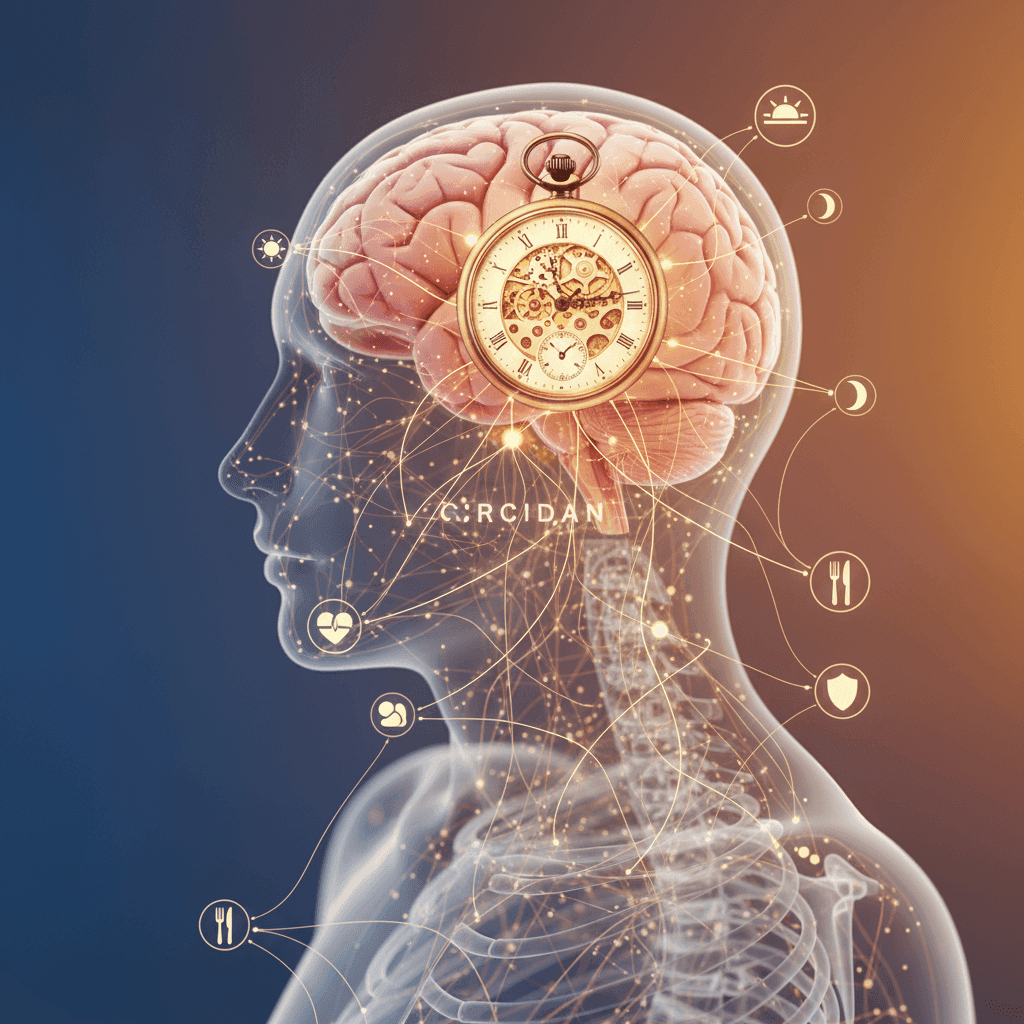
Your body's remarkable "inner clock," scientifically known as your circadian rhythm, is a sophisticated biological system that meticulously orchestrates a vast array of physiological and behavioral changes over roughly a 24-hour cycle. Far more than a simple timekeeper, this intricate internal chronometer, primarily governed by the suprachiasmatic nucleus (SCN) in your brain which keenly responds to environmental light, profoundly influences nearly every facet of your existence. From your daily energy levels and emotional state to crucial metabolic processes, immune system function, and cognitive sharpness, its pervasive impact is undeniable. Have you ever wondered why alertness peaks and troughs throughout the day, or why specific times feel more conducive to sleep? These patterns are directly tied to the masterful workings of this internal regulator. However, when this delicate rhythm is thrown out of sync by modern lifestyle factors such as inconsistent sleep schedules, excessive blue light exposure from screens before bedtime, the demands of shift work, or the rapid shifts of jet lag, the ramifications can be significant and detrimental. Chronic misalignment is not just inconvenient; it can fundamentally undermine your well-being, contributing to a spectrum of serious health issues including persistent sleep disorders, increased risk of obesity and diabetes, cardiovascular complications, mental health challenges like depression and anxiety, and a compromised immune response. Conversely, understanding and actively aligning your daily routines with the natural cadence of your inner clock offers a powerful pathway to optimizing your overall health. By harmonizing your lifestyle with your body's innate timing, you can unlock enhanced energy, cultivate superior sleep quality, sharpen your mental focus, and ultimately foster a more balanced, resilient, and vibrant life. Embracing the wisdom of your internal timekeeper is a transformative step towards sustained well-being, empowering you to thrive by design.
Discussion
No comments yet
Be the first to share your opinion!

Jennifer Trimbee

Aug 19, 2025
0 reading now
What Causes Cysts and When to Worry
Cysts are fluid-filled sacs that can develop in various parts of the body, including the skin, ovaries, and internal organs. They are usually benign, meaning they are not cancerous, and are often caused by blockages in ducts, cell proliferation, or infections. Hormonal changes, genetic factors, and chronic inflammatory conditions can also contribute to cyst formation. While most cysts are harmless and may resolve on their own, some can become problematic if they grow large, cause pain, or become infected. It's important to monitor cysts and seek medical advice if they change in size, color, or sensation, or if they occur in conjunction with other symptoms.
Read more
Jennifer Trimbee
Aug 19, 2025
Disclaimer
This site offers information designed for educational purposes only. You should not rely on any information on this site as a substitute for professional medical advice, diagnosis, treatment, or as a substitute for, professional counseling care, advice, diagnosis, or treatment. If you have any concerns or questions about your health, you should always consult with a physician or other healthcare professional.