Gut Feelings: How Your Belly Secretly Influences Your Mood
Your Health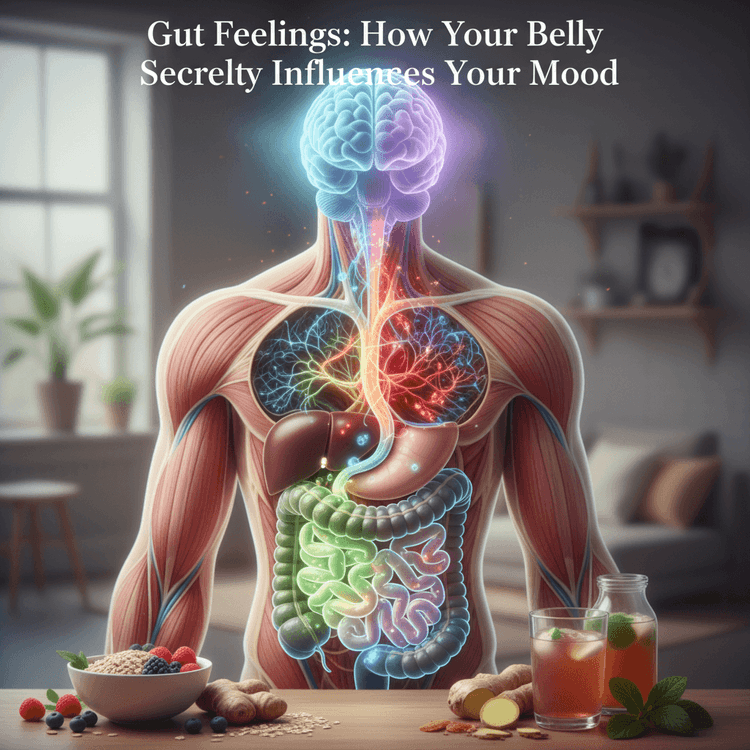
Are you constantly battling mood swings, feeling inexplicably anxious, struggling with persistent low energy, or experiencing a frustrating mental fog despite trying everything? What if the answer isn't just in your head, but deep within your gut? In our latest deep dive, "Your Gut, Your Mood," we unravel the intricate and often-overlooked connection between your digestive system and your mental well-being. Far from being two separate entities, your gut and your brain are in constant, bidirectional communication via the sophisticated gut-brain axis. This incredible superhighway, involving nerves, hormones, and immune pathways, significantly influences everything from your daily disposition to your long-term mental health, impacting how you think, feel, and react to the world around you. We'll explore how the trillions of microorganisms residing in your digestive tract – collectively known as your microbiome – play a pivotal role in producing essential neurotransmitters like serotonin, often dubbed the "happiness hormone," with a staggering 90% of it synthesized in the gut. A balanced, thriving microbiome can foster feelings of calm, clarity, and resilience, while an imbalanced one, known as dysbiosis, can contribute to heightened stress, anxiety, depression, irritability, and even cognitive fogginess. This post will illuminate the compelling scientific evidence linking digestive health to various psychological states, debunking common myths and offering concrete insights into how your diet, lifestyle choices, medication use (like antibiotics), and even chronic stress levels directly impact your gut flora and, consequently, your emotional landscape and overall quality of life. Discover the silent signals your gut might be sending you and learn practical, evidence-based strategies to nurture your internal ecosystem for improved mental clarity and emotional stability. From incorporating gut-friendly foods such as probiotic-rich fermented delights and fiber-rich prebiotics found in fruits, vegetables, and whole grains, to understanding the profound effects of adequate sleep, regular exercise, and mindfulness practices on your gut-brain axis, we provide actionable steps you can seamlessly integrate into your daily routine. Prepare to empower yourself with knowledge that transcends conventional thinking about mental health, offering a holistic perspective. This isn't just about avoiding discomfort; it's about actively cultivating a happier, more stable mood, sharper cognitive function, and a clearer mind by optimizing the very foundation of your health. Your journey towards holistic well-being and a brighter emotional outlook begins with understanding the profound conversation happening inside you. Unlock the secrets to a healthier gut and, in turn, a more vibrant, resilient you.
Nurturing Your Gut for a Happier Mind and Stable Mood
To truly cultivate a happier mind and foster a more stable mood, it's essential to actively nurture the intricate ecosystem within your gut. This isn't about quick fixes, but rather a consistent, conscious effort to support your internal microbiome, which, as we've seen, is intimately linked to your mental well-being via the powerful gut-brain axis. Start by prioritizing your diet; incorporate an abundance of probiotic-rich fermented foods such as plain yogurt, kefir, sauerkraut, and kimchi, which introduce beneficial bacteria directly into your digestive tract. Equally vital are prebiotic-rich foods – the fibrous fruits, vegetables, legumes, and whole grains that act as fuel for these good bacteria, helping them thrive and multiply. Beyond what's on your plate, consider your lifestyle: adequate, restorative sleep is non-negotiable for gut health and mood regulation, as is engaging in regular physical activity, which has been shown to enhance microbial diversity and reduce stress. Furthermore, incorporating mindfulness practices, meditation, or deep breathing exercises can significantly calm the nervous system, thereby positively influencing the gut-brain communication and alleviating mood disturbances. Reducing intake of processed foods, excessive sugars, and being mindful of antibiotic use are also crucial steps to prevent dysbiosis and maintain a balanced gut environment. By adopting these comprehensive, evidence-based strategies, you actively empower your gut to produce essential neurotransmitters, dampen inflammation, and strengthen its communication with your brain, paving the way for not only improved digestion but also a noticeable uplift in your emotional landscape, enhanced clarity, and a greater overall sense of peace and resilience in your daily life. Embracing these foundational habits is a profound investment in your holistic well-being, directly leading to a more vibrant and emotionally balanced you.

Your Gut, Your Mood: Unlocking Mental Well-being From Within
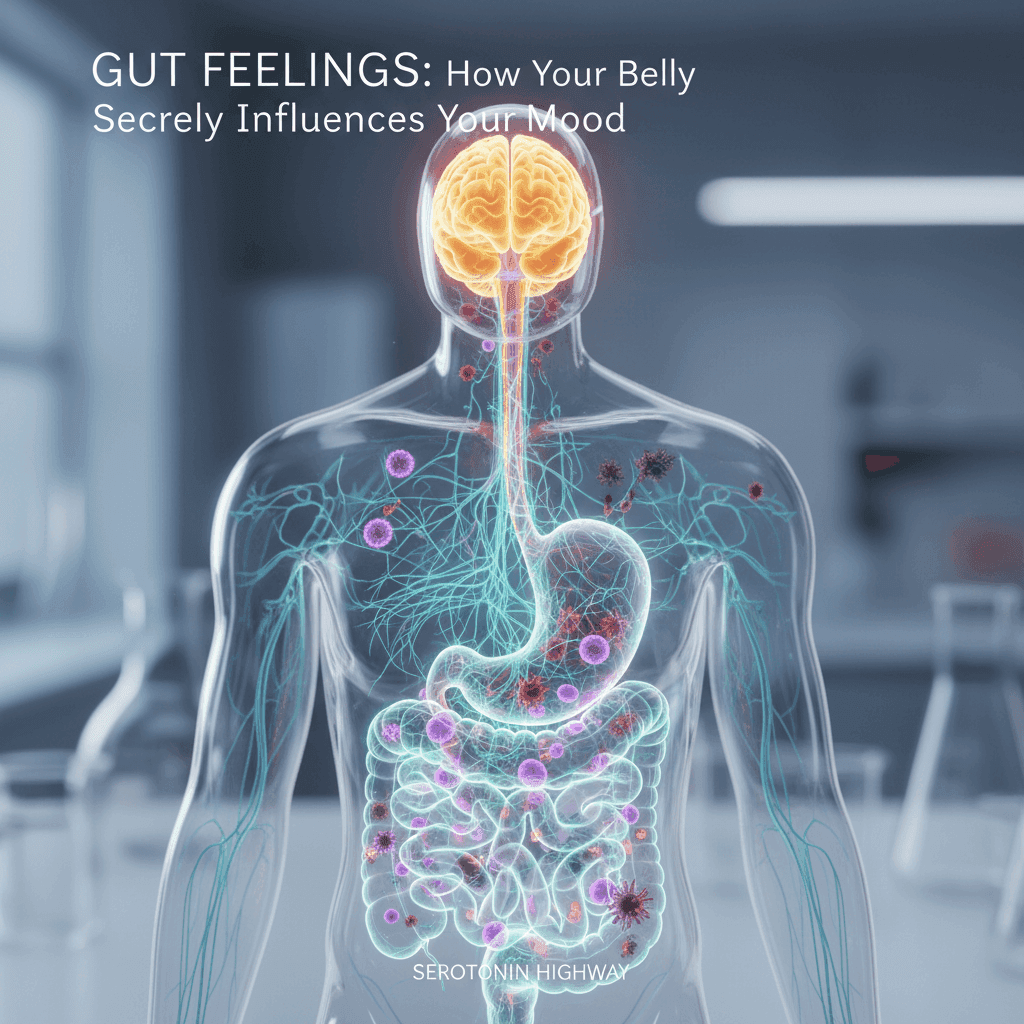
Have you ever considered that the persistent brain fog, unexplained anxiety, or constant mood swings you experience might have a deeper root than you imagine – a root firmly planted in your digestive system? Our latest exploration, "Your Gut, Your Mood," delves into the profound and often-overlooked connection between your gastrointestinal tract and your mental well-being, challenging the conventional notion that they operate as separate entities. Far from it, your gut and your brain are engaged in an intricate, continuous dialogue via the sophisticated gut-brain axis, a complex superhighway of nerves, hormones, and immune pathways that profoundly influences everything from your daily disposition to your long-term mental health. This bidirectional communication shapes how you think, feel, and react to the world, making the health of your internal ecosystem a critical determinant of your emotional landscape. We uncover how the trillions of microorganisms collectively known as your microbiome residing in your gut play a pivotal role, not just in digestion, but in synthesizing essential neurotransmitters like serotonin, the "happiness hormone," with an astonishing 90% produced right there in your digestive tract. A vibrant, balanced microbiome acts as a cornerstone for feelings of calm, clarity, and emotional resilience, while an imbalance, or dysbiosis, is increasingly linked to heightened stress, anxiety, depression, irritability, and even frustrating cognitive fogginess. This article illuminates compelling scientific evidence, debunks common myths, and offers concrete, actionable insights into how daily diet, lifestyle choices, medication impacts, and even chronic stress levels directly sculpt your gut flora and, consequently, your emotional and cognitive functions. Discover the silent signals your gut might be sending, and learn practical, evidence-based strategies to nurture this vital internal ecosystem. From incorporating probiotic-rich fermented foods and fiber-rich prebiotics found in diverse fruits and vegetables, to understanding the profound effects of adequate sleep, regular exercise, and mindfulness on your gut-brain axis, we provide steps you can integrate seamlessly into your daily routine. Empower yourself with a holistic perspective on mental health, recognizing that optimizing your gut health isn't merely about avoiding discomfort, but actively cultivating a happier, more stable mood, sharper cognitive function, and a clearer mind. Your journey towards holistic well-being and a brighter emotional outlook truly begins with understanding and nurturing the profound conversation happening inside you, unlocking the secrets to a healthier gut and, in turn, a more vibrant, resilient you.
Discussion
No comments yet
Be the first to share your opinion!

Jennifer Trimbee

Aug 19, 2025

0 reading now
What Causes Cysts and When to Worry
Cysts are fluid-filled sacs that can develop in various parts of the body, including the skin, ovaries, and internal organs. They are usually benign, meaning they are not cancerous, and are often caused by blockages in ducts, cell proliferation, or infections. Hormonal changes, genetic factors, and chronic inflammatory conditions can also contribute to cyst formation. While most cysts are harmless and may resolve on their own, some can become problematic if they grow large, cause pain, or become infected. It's important to monitor cysts and seek medical advice if they change in size, color, or sensation, or if they occur in conjunction with other symptoms.
Read more
Jennifer Trimbee
Aug 19, 2025
Disclaimer
This site offers information designed for educational purposes only. You should not rely on any information on this site as a substitute for professional medical advice, diagnosis, treatment, or as a substitute for, professional counseling care, advice, diagnosis, or treatment. If you have any concerns or questions about your health, you should always consult with a physician or other healthcare professional.