Digital Detox: Unplug to Recharge Your Mind, Body, & Spirit
Lifestyle and Welness
Feeling the incessant pull of notifications, the relentless demands of a hyper-connected world, and the subtle yet pervasive drain on your energy? Our latest insightful post delves into the transformative power of "Unplug & Recharge," offering a crucial roadmap for anyone navigating the constant pressures of modern life. In an age where digital connection is often glorified, rediscovering the profound importance of conscious disconnection isn't merely a luxury; it's an absolute necessity for nurturing your mental, emotional, and physical well-being. This comprehensive guide provides actionable strategies and a refreshing perspective on stepping back from screens, work obligations, and the overwhelming pace that slowly siphons your vitality. We explore the deep-seated benefits of implementing digital detoxes, cultivating mindful breaks, and intentionally reconnecting with the simpler, more authentic pleasures that truly replenish your soul. Learn how to craft your personal sanctuary of calm, whether through immersing yourself in nature, dusting off long-forgotten hobbies, embracing meditation, or simply granting yourself the invaluable gift of doing absolutely nothing. Discover practical, sustainable tips for setting firm boundaries with technology, carving out dedicated downtime, and embedding consistent self-care rituals that foster genuine rest and profound rejuvenation. From identifying the insidious signs of impending burnout to implementing effective strategies for long-term resilience, this post serves as your ultimate resource for reclaiming your inner peace, igniting your creativity, and revitalizing your spirit. Stop allowing external forces to dictate your rhythm; it's time to seize control, deliberately slow down, and truly recharge your core. Embrace the quiet strength of stillness and emerge feeling renewed, equipped to tackle life's challenges with fresh vigor, heightened clarity, and a deeper sense of purpose. This isn't just about taking a temporary break; it's about fundamentally redesigning your relationship with constant connectivity and consciously prioritizing your inner balance for enduring health and profound happiness.
Rediscovering Inner Peace: The Crucial Need to Disconnect
In an era where the digital hum has become the default soundtrack to our lives, the relentless barrage of notifications, emails, and social media updates has subtly but surely eroded our capacity for stillness, a foundational element for true inner peace. This isn't merely about feeling overwhelmed; it's about a deep-seated disruption to our natural rhythms, a constant external pull that prevents us from tuning into our own internal compass. Rediscovering inner peace, therefore, emerges not as a whimsical pursuit but as an urgent, crucial necessity, demanding a conscious and deliberate act of disconnection. To step away from the relentless demands of the hyper-connected world is to grant ourselves the invaluable permission to breathe, to reflect, and to simply be, free from the incessant noise that clouds our judgment and siphons our vitality. This intentional withdrawal allows the mental chatter to subside, creating fertile ground for clarity, creativity, and a profound sense of calm to re-emerge. It is through these deliberate moments of unplugging that we reclaim agency over our attention, rebuild our mental resilience, and rediscover the quiet strength that lies within, fostering a deep and sustainable well-being that no amount of digital engagement can ever provide. Embracing this crucial need to disconnect is fundamentally about safeguarding our most precious resource: our peace of mind, allowing us to cultivate a more centered, purposeful existence.
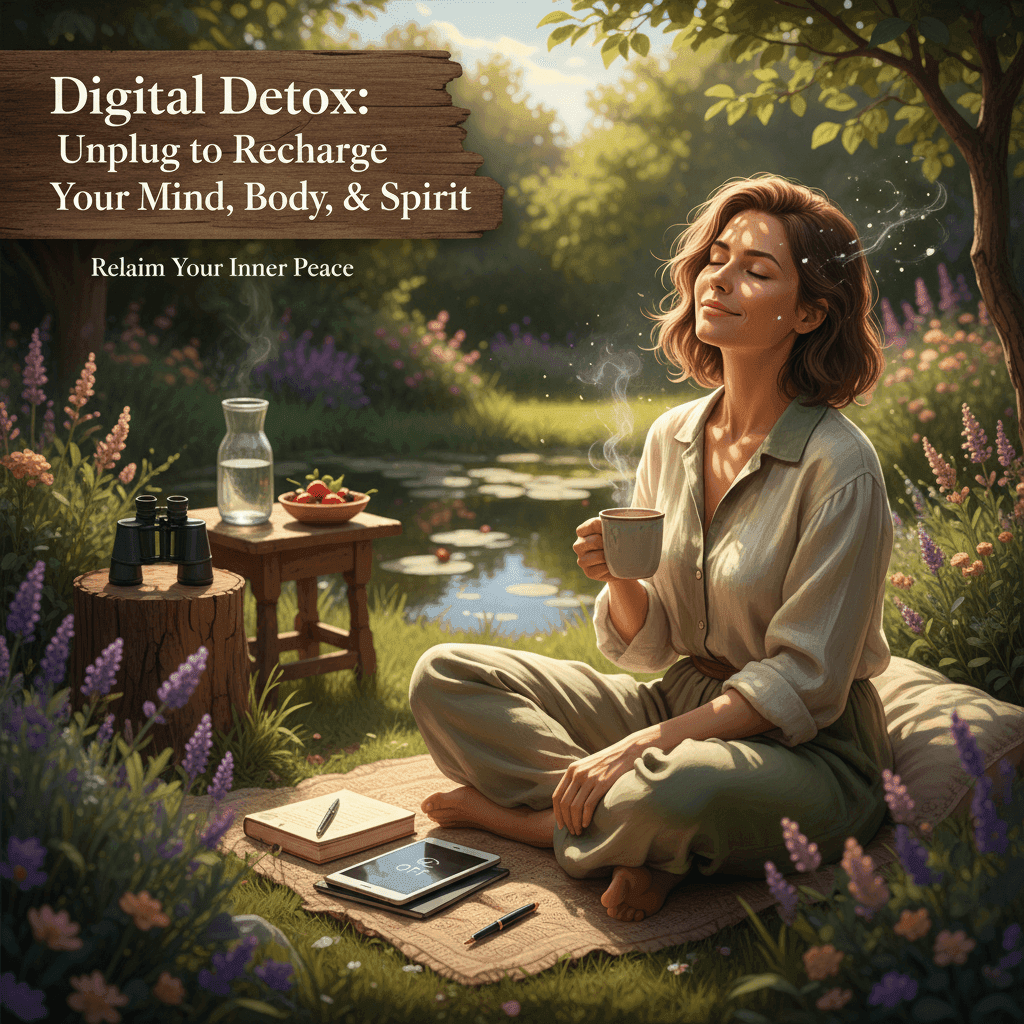
Reclaim Your Inner Peace: The Power of Intentional Unplugging
In a world constantly vying for your attention, where the ping of a notification often feels like an urgent command, the concept of "unplugging" transcends a mere temporary break; it becomes a deliberate, powerful act of self-preservation. Reclaiming your inner peace isn't a passive wish but an active choice, a conscious decision to step away from the digital cacophony and reconnect with the quiet rhythm of your own being. Intentional unplugging is about more than just switching off devices; it's about consciously disengaging from the incessant demands of a hyper-connected society that subtly siphons your vitality and blurs the lines between work and rest. It’s an invitation to actively cultivate stillness, to create sacred pockets of time where external pressures fade, and the often-forgotten internal landscape of your mind and spirit can finally breathe. This vital practice allows you to reset your nervous system, diminish the insidious creep of burnout, and rediscover the clarity, creativity, and calm that lie dormant beneath the layers of constant stimulation. By purposefully disconnecting, even for short, consistent periods, you are not merely escaping; you are fundamentally redesigning your relationship with technology and external expectations, establishing firm boundaries that protect your most precious resource: your mental and emotional well-being. It's in these moments of conscious disconnection that genuine restoration occurs, enabling you to return to your responsibilities not just refreshed, but with a heightened sense of purpose, renewed energy, and an unshakeable inner peace, allowing you to navigate life's complexities with greater resilience and a profound sense of self. This isn't a luxury; it's the bedrock of sustainable well-being in the modern age, a foundational habit for thriving amidst perpetual connectivity, deeply nourishing your soul and restoring your authentic self.

Discussion
No comments yet
Be the first to share your opinion!

Jennifer Trimbee

Aug 19, 2025

0 reading now
What Causes Cysts and When to Worry
Cysts are fluid-filled sacs that can develop in various parts of the body, including the skin, ovaries, and internal organs. They are usually benign, meaning they are not cancerous, and are often caused by blockages in ducts, cell proliferation, or infections. Hormonal changes, genetic factors, and chronic inflammatory conditions can also contribute to cyst formation. While most cysts are harmless and may resolve on their own, some can become problematic if they grow large, cause pain, or become infected. It's important to monitor cysts and seek medical advice if they change in size, color, or sensation, or if they occur in conjunction with other symptoms.
Read more
Jennifer Trimbee
Aug 19, 2025

Disclaimer
This site offers information designed for educational purposes only. You should not rely on any information on this site as a substitute for professional medical advice, diagnosis, treatment, or as a substitute for, professional counseling care, advice, diagnosis, or treatment. If you have any concerns or questions about your health, you should always consult with a physician or other healthcare professional.