How to Select the Best Name for Your Baby Boy?
Family
Choosing the perfect name for your baby boy can be both an exciting and daunting task. It's a decision that carries a lot of weight, as the name will be an integral part of your child's identity for life. As such, many parents spend countless hours researching and deliberating over the ideal name. Factors such as cultural significance, family traditions, and the desire for a unique yet meaningful name can all play a role in this decision-making process. With so many options available, it's important to approach the task with a clear strategy to ensure you find a name that resonates with both you and your child.
Consider Family Heritage and Cultural Significance
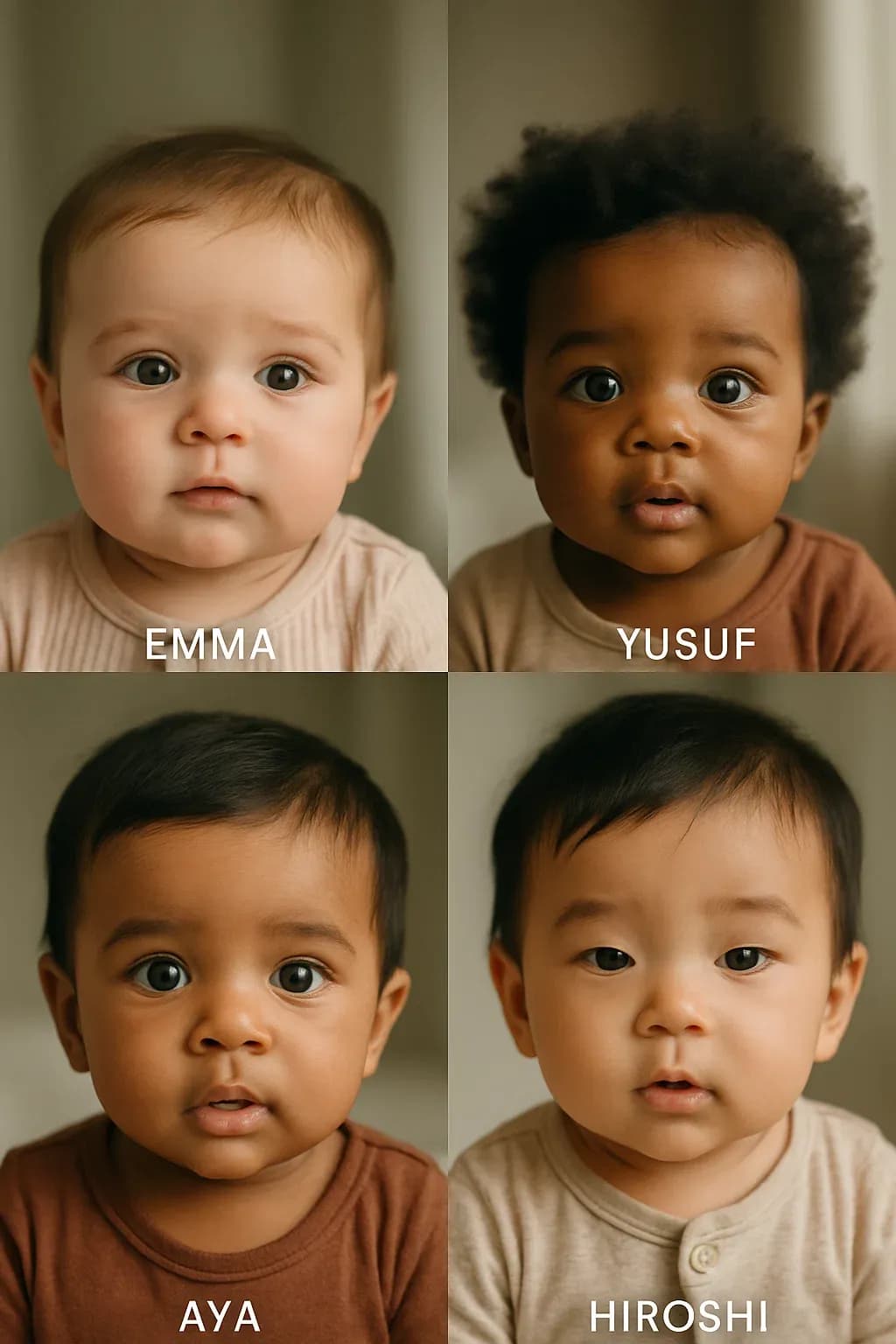
A great starting point in the quest for the perfect baby boy name is to consider your family's heritage and cultural background. Names that have been passed down through generations can carry a special significance and foster a sense of connection to one's ancestry. Additionally, many cultures have specific naming traditions or customs that can influence your choice. For example, in some traditions, names are chosen based on the day of the week, the season, or other significant events. Exploring your cultural roots can help narrow down your options and provide a meaningful context for your child's name. Furthermore, researching names that carry positive meanings or virtues within your culture can add an additional layer of depth to your selection.
Balancing Uniqueness with Practicality
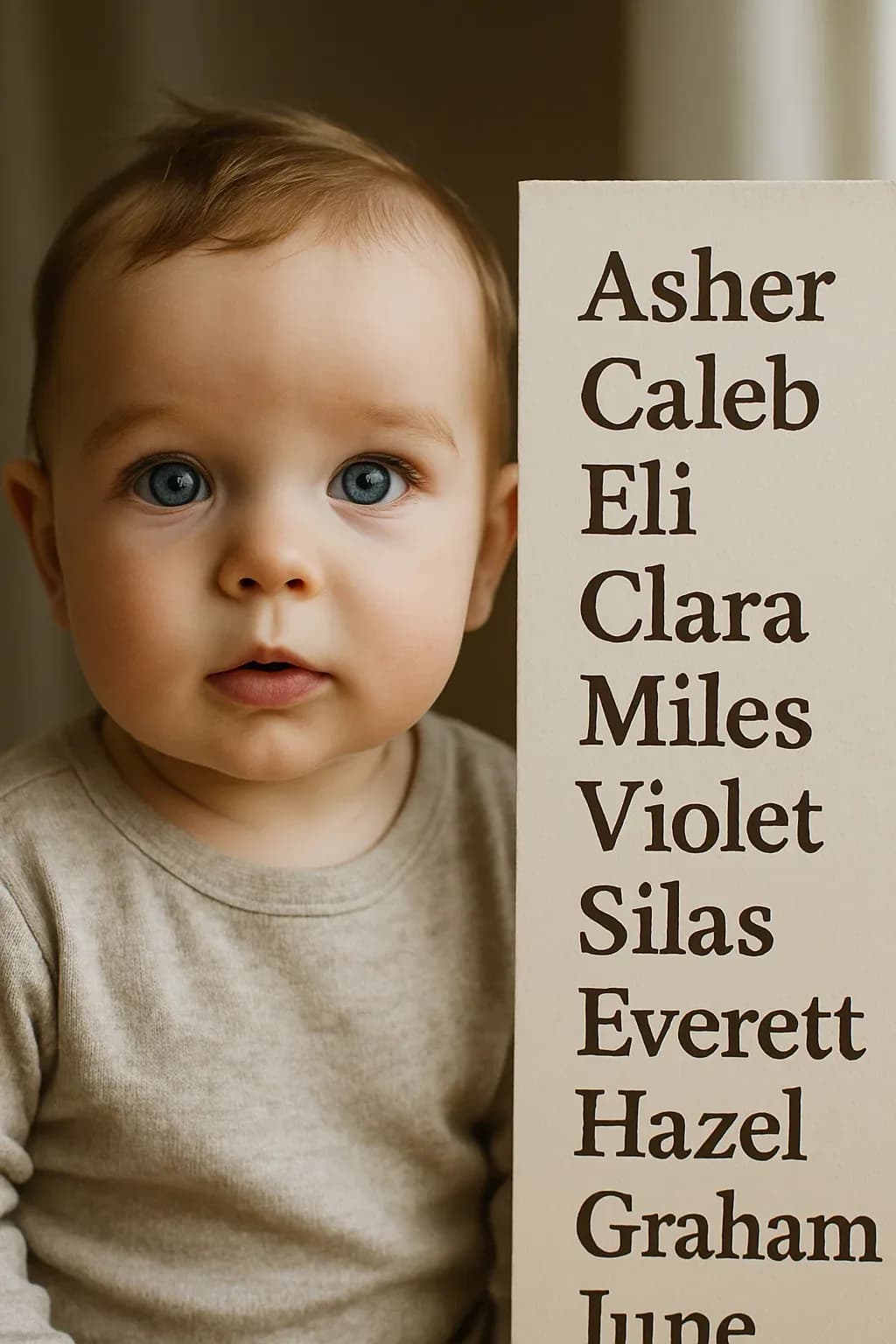
While a unique name might stand out, it's important to balance distinctiveness with practicality. Consider how the name will sound in everyday use, and whether it might be prone to frequent mispronunciation or misspelling. A name that is too unconventional might pose challenges for your child as they grow up, such as difficulties with spelling or pronunciation by others. Additionally, think about how the name complements your last name and whether it flows well when spoken aloud. Another aspect to consider is potential nicknames or shortened versions of the name, and whether they are appealing to you. Striking the right balance between uniqueness and usability ensures your child has a name that is distinctive yet functional in various social and professional settings.
Discussion
No comments yet
Be the first to share your opinion!

Jennifer Trimbee

Aug 19, 2025
0 reading now
What Causes Cysts and When to Worry
Cysts are fluid-filled sacs that can develop in various parts of the body, including the skin, ovaries, and internal organs. They are usually benign, meaning they are not cancerous, and are often caused by blockages in ducts, cell proliferation, or infections. Hormonal changes, genetic factors, and chronic inflammatory conditions can also contribute to cyst formation. While most cysts are harmless and may resolve on their own, some can become problematic if they grow large, cause pain, or become infected. It's important to monitor cysts and seek medical advice if they change in size, color, or sensation, or if they occur in conjunction with other symptoms.
Read more
Jennifer Trimbee
Aug 19, 2025
Disclaimer
This site offers information designed for educational purposes only. You should not rely on any information on this site as a substitute for professional medical advice, diagnosis, treatment, or as a substitute for, professional counseling care, advice, diagnosis, or treatment. If you have any concerns or questions about your health, you should always consult with a physician or other healthcare professional.