Mimicry, Masquerade & Malice: The Great Imitators Revealed
Diseases and Conditions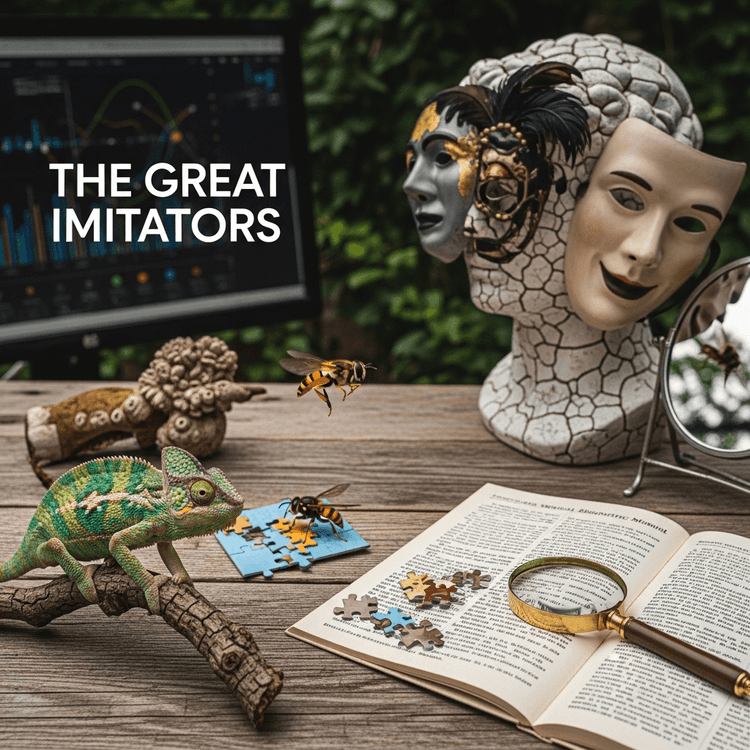
This post delves into the fascinating and often perplexing world of phenomena, entities, and conditions that master the art of mimicry, making them incredibly difficult to identify, diagnose, or distinguish from their genuine counterparts. We explore the profound implications of these "great imitators" across a multitude of disciplines, starting with the medical realm where certain diseases earn this moniker due to their uncanny ability to present with symptoms characteristic of a vast array of other ailments. Imagine the diagnostic labyrinth faced by clinicians when confronting conditions like lupus, syphilis, or Lyme disease, each capable of masquerading as numerous other conditions, thereby delaying accurate treatment and potentially leading to significant patient distress and poorer outcomes. The very act of diagnosis becomes a detective story, requiring meticulous observation and a deep understanding of subtle patterns. But the realm of imitation extends far beyond human physiology. In the intricate tapestry of the natural world, biological mimicry is a breathtaking evolutionary strategy. From harmless hoverflies mimicking venomous wasps to non-toxic snakes adopting the vibrant warning patterns of their dangerous counterparts, nature's great imitators employ deception for survival, protection, and predation. We'll examine the intricate evolutionary arms race this creates, where predators and prey continually refine their methods of disguise and detection, pushing the boundaries of biological ingenuity. This natural theater of illusion highlights the relentless pressure of adaptation and the sheer artistry of survival. Furthermore, this exploration ventures into the psychological landscape, where certain personality disorders or mental health conditions might present symptoms that strongly overlap with entirely different diagnoses, challenging even the most experienced professionals. The human mind itself can be a great imitator, creating complex internal narratives that blur the lines between reality and perception, making self-diagnosis and even professional assessment a nuanced endeavor. We also consider the social aspect, where individuals might mimic success, confidence, or even character traits, leading to intricate interpersonal dynamics and often, unexpected revelations. And what of the burgeoning field of artificial intelligence? As AI models become increasingly sophisticated, their capacity to imitate human thought, speech, and even creativity raises profound questions about authenticity and perception. Are we on the cusp of an era where AI becomes the ultimate imitator, indistinguishable from human intelligence in specific contexts, creating a new frontier of deceptive capabilities? We'll ponder the ethical and philosophical dilemmas posed by such advanced mimicry, and the implications for our understanding of consciousness and originality. Ultimately, "The Great Imitators" forces us to sharpen our observational skills, question assumptions, and cultivate a deeper understanding of the world's complexities. It's a compelling call to look beyond superficial appearances, to probe deeper into patterns, and to appreciate the intricate dance between authenticity and replication. This post serves as a comprehensive guide through the deceptive landscapes created by these masterful impersonators, urging readers to develop a keener eye for detail and a more critical approach to understanding the multifaceted reality around us. Join us as we uncover the hidden truths behind the disguises, celebrate the ingenuity of mimicry, and learn how to navigate a world brimming with subtle, yet powerful, deceptions.
The Great Imitators: Navigating a World of Masterful Deception
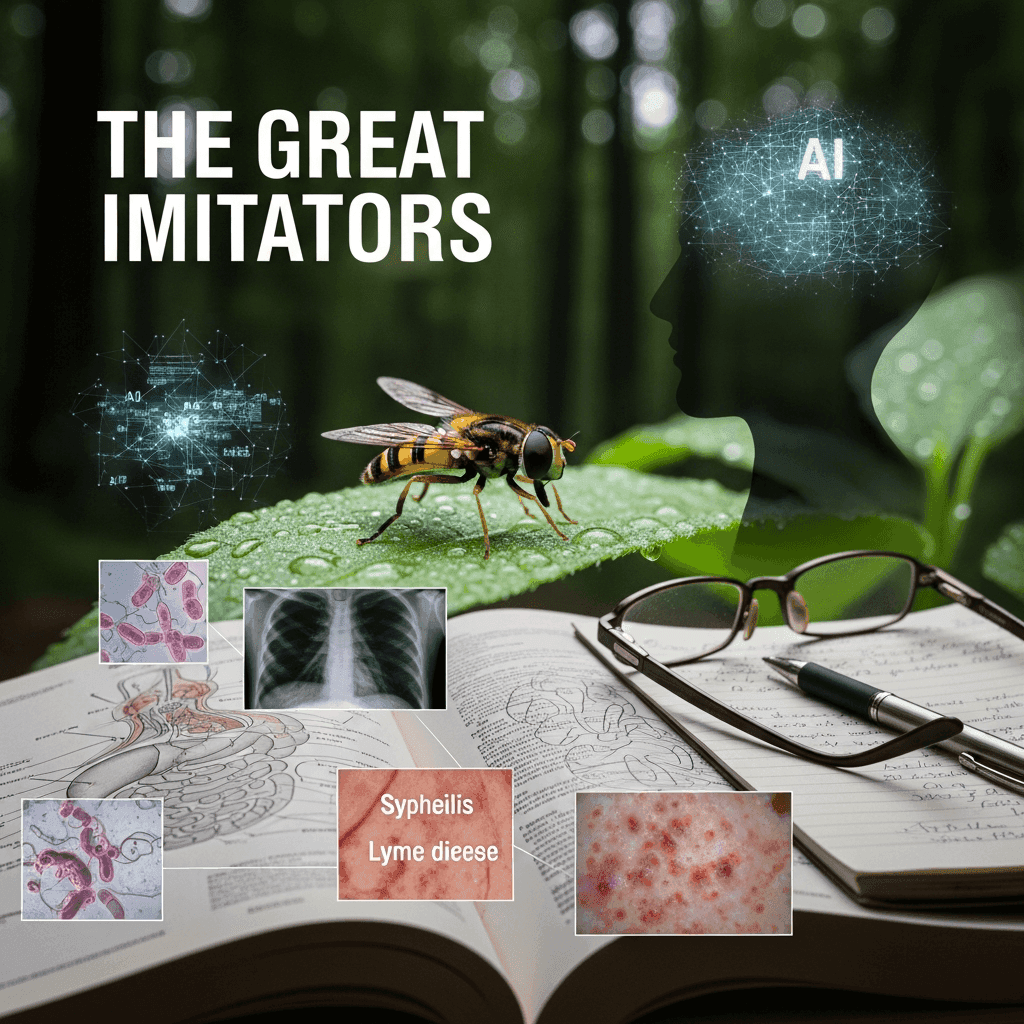
From the confounding diagnostic puzzles in clinical medicine, where elusive conditions like lupus, syphilis, or Lyme disease cunningly masquerade as a myriad of other ailments, to the breathtaking evolutionary deceptions in the natural world where harmless species expertly mimic dangerous ones for survival, the phenomenon of "great imitators" permeates every facet of existence. This article embarks on an expansive journey through these perplexing landscapes, exploring how entities, conditions, and even sophisticated technologies master the art of mimicry, blurring the lines between authenticity and replication. We delve into the intricate challenges posed by such masterful deceptions, whether it's clinicians painstakingly unraveling symptoms, biologists deciphering complex evolutionary arms races, psychologists navigating overlapping mental health presentations, or ethicists contemplating the profound implications of AI's increasingly human-like capabilities. Ultimately, understanding these powerful impersonators compels us to sharpen our observational acumen, critically question surface-level appearances, and develop a more nuanced appreciation for the complex interplay between what is genuine and what is meticulously fabricated, urging readers to look beyond the obvious in a world brimming with subtle, yet profound, illusions.
Unmasking the World's Master Impersonators: From Disease to AI
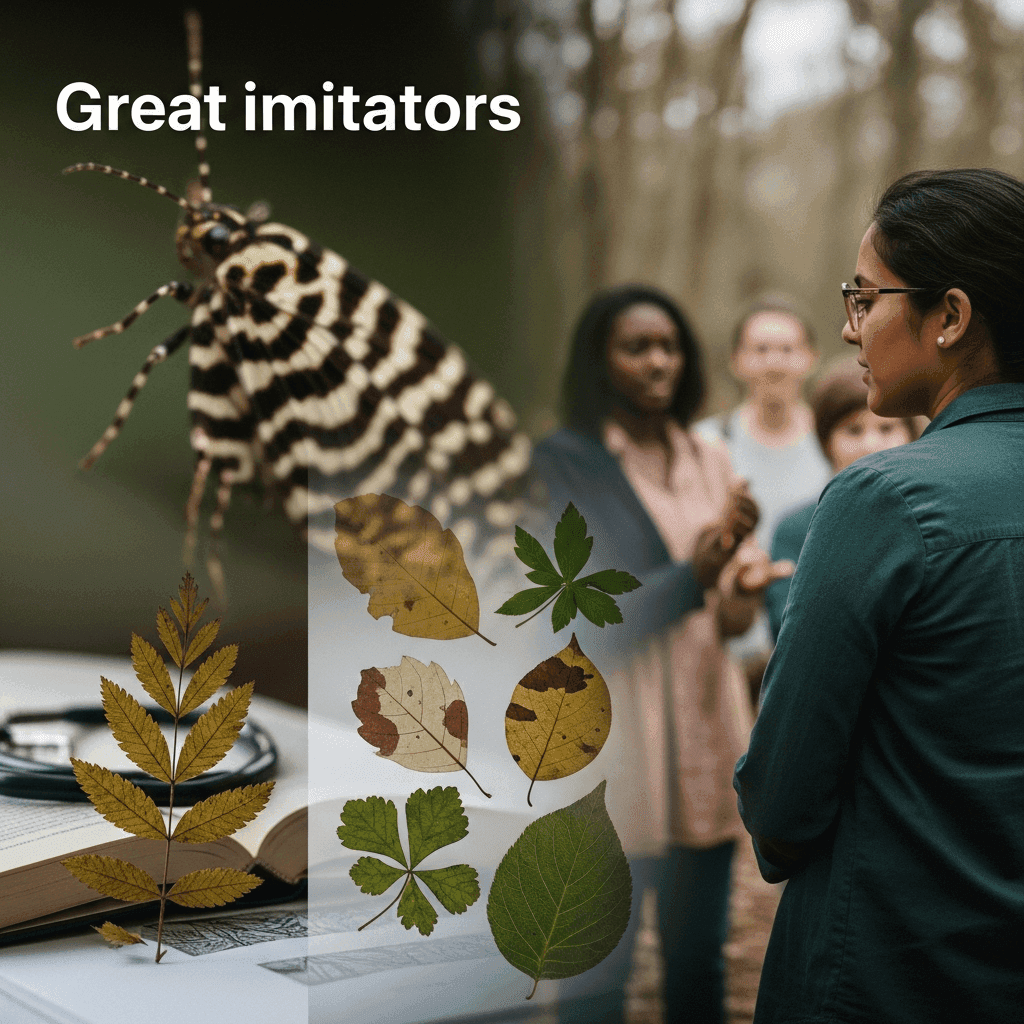
The world is a stage where authenticity and replication engage in a perpetual, intricate dance, presenting us with "The Great Imitators"—phenomena, entities, and conditions that master the art of disguise, making their true nature incredibly difficult to discern. In the medical realm, this plays out as a high-stakes diagnostic drama, where insidious diseases like lupus, syphilis, or Lyme disease cunningly present symptoms characteristic of a vast array of other ailments, transforming clinicians into meticulous detectives in a race against delayed treatment and mounting patient distress. Beyond human physiology, nature itself is a breathtaking gallery of illusion; biological mimicry serves as a powerful evolutionary strategy, from the seemingly innocuous hoverfly perfectly emulating a venomous wasp to non-toxic snakes adopting the vibrant warning patterns of their dangerous counterparts, all part of a relentless arms race of survival, protection, and predation. This profound mimicry extends into the human psyche, where certain psychological conditions might mimic entirely different diagnoses, challenging even the most seasoned professionals to untangle the mind's complex narratives that blur reality and perception. And now, we stand on the precipice of a new frontier of imitation with artificial intelligence; as AI models grow astonishingly sophisticated, their capacity to convincingly emulate human thought, speech, and creativity raises profound ethical and philosophical questions about authenticity, consciousness, and what it truly means to be original. This journey through the deceptive landscapes created by these masterful impersonators ultimately sharpens our observational skills, compelling us to look beyond superficial appearances, question assumptions, and cultivate a deeper, more critical understanding of the multifaceted reality that surrounds us, urging a keener eye for detail in a world brimming with subtle yet powerful deceptions.
Discussion
No comments yet
Be the first to share your opinion!

Jennifer Trimbee

Aug 19, 2025

0 reading now
What Causes Cysts and When to Worry
Cysts are fluid-filled sacs that can develop in various parts of the body, including the skin, ovaries, and internal organs. They are usually benign, meaning they are not cancerous, and are often caused by blockages in ducts, cell proliferation, or infections. Hormonal changes, genetic factors, and chronic inflammatory conditions can also contribute to cyst formation. While most cysts are harmless and may resolve on their own, some can become problematic if they grow large, cause pain, or become infected. It's important to monitor cysts and seek medical advice if they change in size, color, or sensation, or if they occur in conjunction with other symptoms.
Read more
Jennifer Trimbee
Aug 19, 2025

Disclaimer
This site offers information designed for educational purposes only. You should not rely on any information on this site as a substitute for professional medical advice, diagnosis, treatment, or as a substitute for, professional counseling care, advice, diagnosis, or treatment. If you have any concerns or questions about your health, you should always consult with a physician or other healthcare professional.