Traditions: Preserving the Past or Shaping the Future?
Family
Traditions. They are the invisible threads that weave through the fabric of our lives, connecting us to generations past, grounding us in shared history, and often defining who we are. From the annual family rituals that bring comfort and familiarity, to the grand cultural ceremonies that bind communities, traditions offer a profound sense of belonging and continuity. They provide a bedrock of identity, a link to our heritage, and a source of collective memory that enriches our personal and communal narratives. But as our world evolves at an unprecedented pace, marked by rapid technological advancements, shifting social norms, and a growing emphasis on inclusivity and individual expression, a crucial question emerges, echoing through homes, societies, and personal reflections: should we keep traditions exactly as they are, or is it time for them to change? This post delves deep into the heart of this timeless dilemma, exploring the intricate balance between heritage and progress, between the comfort of the known and the call for adaptation. We'll journey through the powerful arguments for preserving traditions – their indispensable role in maintaining cultural identity, transmitting core values across generations, fostering stability in an uncertain world, and creating a sense of shared legacy. We’ll consider how cherished customs provide solace, predictability, and a unique cultural fingerprint that distinguishes communities in an increasingly homogenized global landscape. Traditions can be sources of immense strength, resilience, and beauty, offering profound meaning and connection. Yet, we must also confront the compelling reasons to challenge, critically re-evaluate, and even transform long-held practices. Are some traditions, though once deeply meaningful and relevant to their original context, now exclusionary, outdated, or simply irrelevant to contemporary life? Do they inadvertently hinder progress, stifle innovation, limit individual freedom, or perpetuate inequalities that we, as a society, are striving to overcome? This exploration isn't about discarding our past carelessly or disrespecting the wisdom of our ancestors, but rather about critically examining which elements truly serve us and our future, fostering growth and inclusivity. The discussion extends far beyond a simple 'either/or' proposition, delving into the nuanced complexities of adaptation and thoughtful evolution. We'll explore how some traditions can be reinterpreted, modernized, or integrated with new practices to retain their spiritual or emotional essence while gaining renewed relevance for current and future generations. What does it truly mean to honor the core spirit of a tradition while shedding its less beneficial or even harmful aspects? How do individuals, families, and entire communities navigate the often-intense emotional weight, the potential friction, and the inevitable debates that arise when altering something deeply ingrained in our collective psyche? This thought-provoking piece invites you to consider your own personal relationship with the traditions that shape your life. Are there traditions you hold sacred, unwilling to see them altered, viewing them as immutable anchors? Conversely, are there practices you believe are ripe for reimagination, needing a fresh perspective and a contemporary lens to truly thrive in the modern age? Join us as we unpack the profound implications of keeping traditions versus embracing change, seeking not just definitive answers, but a deeper understanding of our collective and personal heritage, and the dynamic role it plays in shaping who we are and who we aspire to be.
The Timeless Dilemma: Keeping Traditions or Embracing Change
The very essence of human civilization is woven with the vibrant threads of tradition, practices passed down through generations that offer us an anchor in the swirling currents of time. These rituals, customs, and beliefs are more than mere habits; they are the bedrock of our personal and collective identities, providing a profound sense of belonging, continuity, and a cherished link to those who came before us. From the comforting predictability of family holiday gatherings to the awe-inspiring grandeur of cultural ceremonies, traditions serve as powerful repositories of shared history, values, and meaning, fostering social cohesion and transmitting vital wisdom across the ages. They give us roots, defining our heritage and shaping our narratives in ways that are often irreplaceable. However, in an era defined by relentless innovation, shifting societal paradigms, and an ever-increasing emphasis on inclusivity and individual autonomy, a pivotal and often emotionally charged question inevitably arises: how do we reconcile the undeniable allure of our ancestral legacies with the imperative to evolve? This complex query, a true timeless dilemma, forces us to confront whether the sanctity of tradition lies in its unyielding immutability or in its capacity for thoughtful adaptation. It compels us to consider when steadfast preservation becomes a barrier to progress, and when innovative change risks eroding the very foundations of who we are. This intricate balancing act between honoring the past and forging a relevant future is precisely what we must now explore, recognizing that the decision to keep or change traditions is rarely simple, often fraught with sentiment, and profoundly impactful on our collective journey forward.
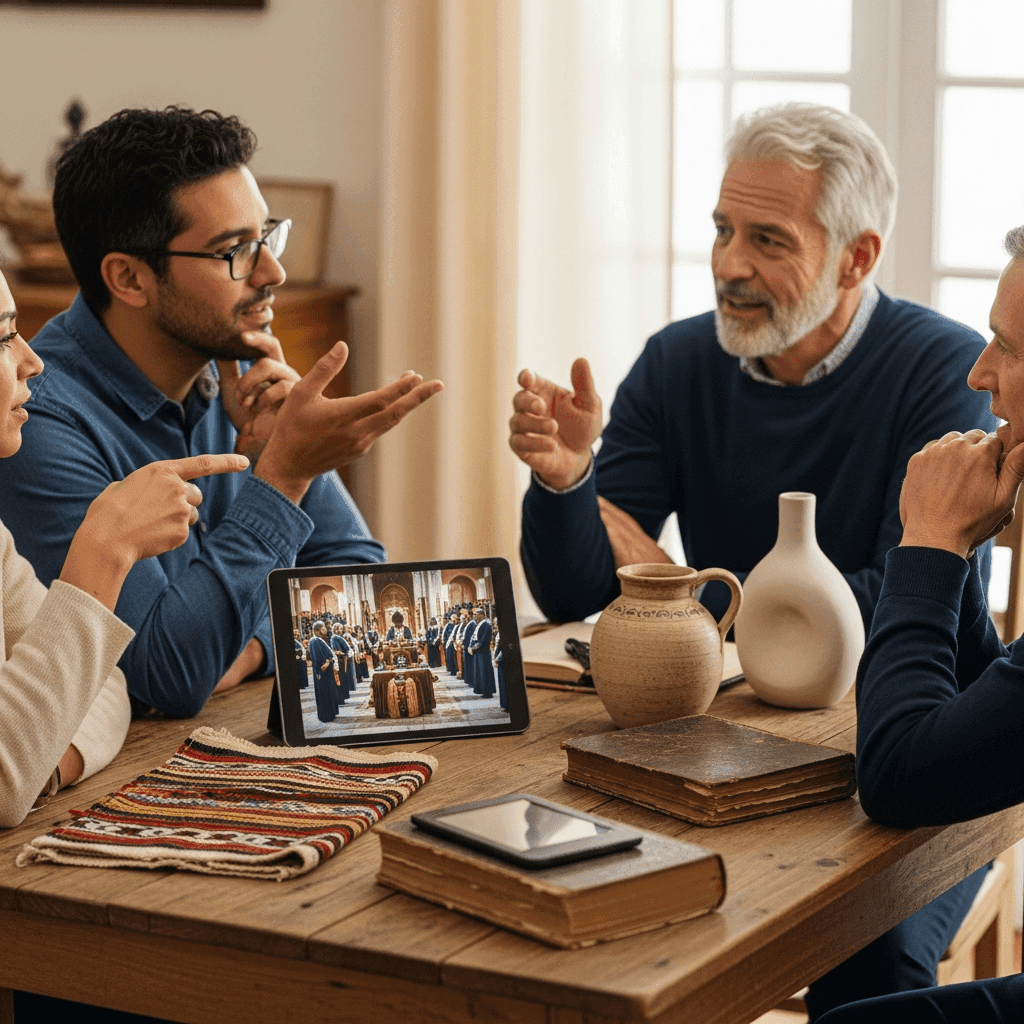
Traditions: Balancing Enduring Heritage with the Call for Change
Traditions, in their purest form, serve as the very bedrock of human civilization, anchoring us to the collective wisdom of our ancestors, imbuing life with profound meaning, and forging an unbreakable chain of identity that spans generations. They are the cherished rituals, the shared narratives, and the cultural practices that not only offer solace and predictability in an often-turbulent world but also differentiate communities, preserving unique cultural fingerprints against an increasingly homogenized global landscape. This deep-seated reverence for heritage is undeniable; traditions transmit core values, foster stability, and cultivate a powerful sense of belonging, creating a shared legacy that enriches our personal and communal narratives. Yet, as the currents of progress flow ever faster, propelled by technological revolutions, evolving social norms, and a fervent call for greater inclusivity and individual autonomy, we find ourselves at a critical juncture. The question is no longer *if* traditions should adapt, but *how* we navigate the delicate tightrope walk between honoring their enduring spirit and embracing necessary transformation. This isn't an act of disrespect or careless abandonment, but a thoughtful, often challenging, re-evaluation: discerning which elements remain universally beneficial, which require thoughtful modernization, and which, despite their historical significance, may inadvertently hinder progress or perpetuate outdated perspectives that no longer align with contemporary values. The true artistry lies in reinterpreting ancient wisdom, shedding exclusionary layers, and integrating new practices to ensure that traditions not only survive but truly thrive, continuing to provide profound meaning and relevance for the generations yet to come, striking a harmonious balance between the sanctity of the past and the imperative of a more just and vibrant future.
Discussion
No comments yet
Be the first to share your opinion!

Jennifer Trimbee

Aug 19, 2025
0 reading now
What Causes Cysts and When to Worry
Cysts are fluid-filled sacs that can develop in various parts of the body, including the skin, ovaries, and internal organs. They are usually benign, meaning they are not cancerous, and are often caused by blockages in ducts, cell proliferation, or infections. Hormonal changes, genetic factors, and chronic inflammatory conditions can also contribute to cyst formation. While most cysts are harmless and may resolve on their own, some can become problematic if they grow large, cause pain, or become infected. It's important to monitor cysts and seek medical advice if they change in size, color, or sensation, or if they occur in conjunction with other symptoms.
Read more
Jennifer Trimbee
Aug 19, 2025
Disclaimer
This site offers information designed for educational purposes only. You should not rely on any information on this site as a substitute for professional medical advice, diagnosis, treatment, or as a substitute for, professional counseling care, advice, diagnosis, or treatment. If you have any concerns or questions about your health, you should always consult with a physician or other healthcare professional.