Defining Kinship: The Intangible Threads That Weave a Family Together
Family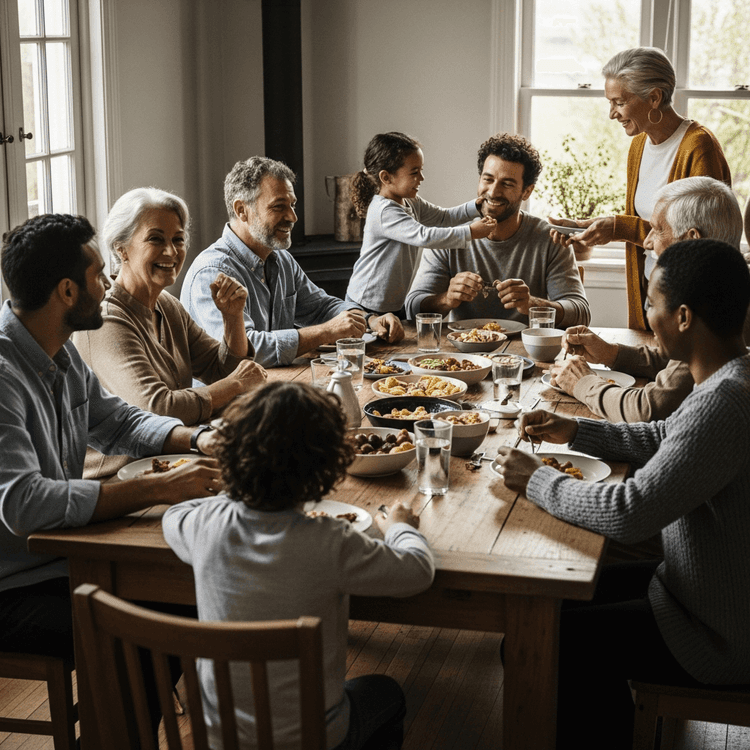
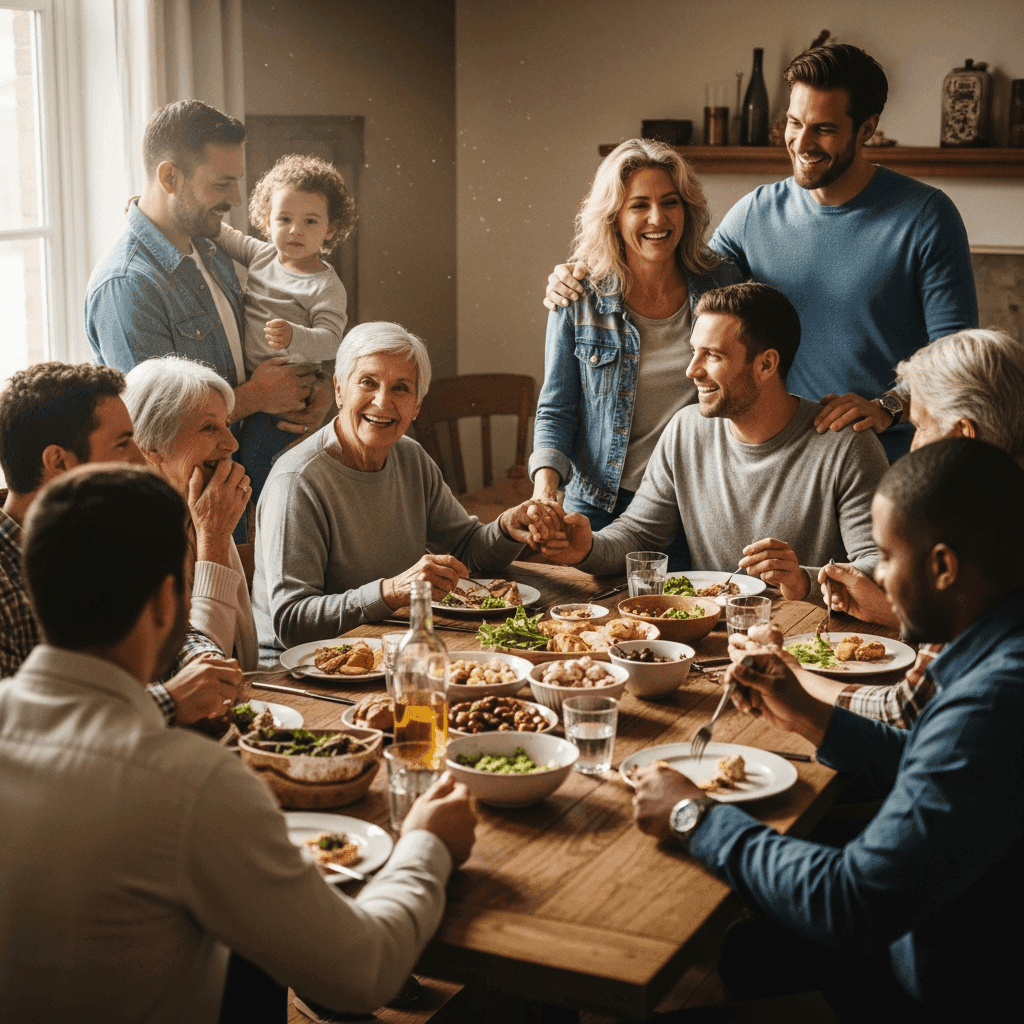
What truly makes a family? Is it solely defined by shared DNA, the legal bonds of marriage, or the conventional structures we’ve inherited through generations? In an ever-evolving world, our understanding of family is expanding, challenging antiquated notions and embracing a far richer, more inclusive tapestry of human connection. This profound exploration delves deep into the heart of what constitutes a family in the 21st century, moving beyond simple biology or legal certificates to uncover the deeper, more meaningful elements that bind people together. We journey through the diverse landscape of modern family units, from the warmth of adoptive homes and the resilience of blended families, to the unwavering strength found in single-parent households and the vibrant communities forged by chosen families – friends who become as close as siblings, and mentors who stand in place of parents. We examine how love, unwavering support, mutual respect, shared experiences, and an enduring sense of belonging become the true pillars upon which these vital relationships are built. This piece thoughtfully considers the emotional architecture of family life, probing into the unseen threads of empathy, forgiveness, and unwavering commitment that weave individuals into an inseparable whole. It acknowledges the challenges and triumphs inherent in navigating these complex relationships, highlighting the adaptability and resilience required to sustain them. Whether it's the comforting ritual of a shared meal, the silent understanding during a moment of crisis, or the unwavering presence through life's countless ups and downs, the essence of family lies in these profound, often unarticulated, bonds. Join us as we reflect on the universal human need for connection, belonging, and unconditional acceptance. This insightful post invites readers to ponder their own definitions, celebrate the unique configurations that bring them solace and joy, and appreciate the incredible diversity of what it means to belong to a family. It's an affirmation that family is less about bloodlines and more about heart lines, a testament to the enduring power of love in all its magnificent forms, shaping our identities and providing the ultimate sanctuary in a sometimes tumultuous world.
Family Reimagined: Beyond Biology to Bonds of the Heart
The traditional blueprint of family, often etched in the double helix of shared DNA or solidified by the stroke of a marriage certificate, has long served as society’s primary definition. Yet, in an era of unprecedented social evolution and individual autonomy, this narrow lens no longer adequately captures the profound, intricate tapestry of human connection that truly constitutes a family. We are witnessing a powerful reimagining, a cultural shift that liberates the concept of family from the confines of mere biology and legal convention, repositioning it instead within the boundless realm of the heart. This paradigm shift acknowledges that while blood may run deep, it is the deliberate choice to nurture, to support, to love unconditionally, and to stand as an unwavering presence through life’s inevitable storms that forges the strongest, most authentic familial bonds. Modern families increasingly celebrate the intricate "heart lines" – the empathy, the shared laughter and tears, the unwavering commitment, and the profound sense of belonging – that are woven through adoptive relationships, blended households, single-parent units, and perhaps most vividly, in the vibrant communities of chosen families. These are the friends who become siblings, the mentors who act as parents, the neighbors who share burdens and joys with an intimacy that rivals blood relatives. Here, the essence of family is not inherited but earned, built brick by emotional brick, moment by shared moment, creating a sanctuary defined not by lineage but by loyalty, not by obligation but by enduring affection, providing a testament to the transformative power of love in all its deliberately chosen forms. This expansive perspective champions the idea that family is fundamentally an act of continuous, mutual creation, a living testament to the human need for deep connection, acceptance, and a haven where one is truly seen and cherished, regardless of genetic links.
Unpacking Family: More Than Genes, It's About Heart Lines
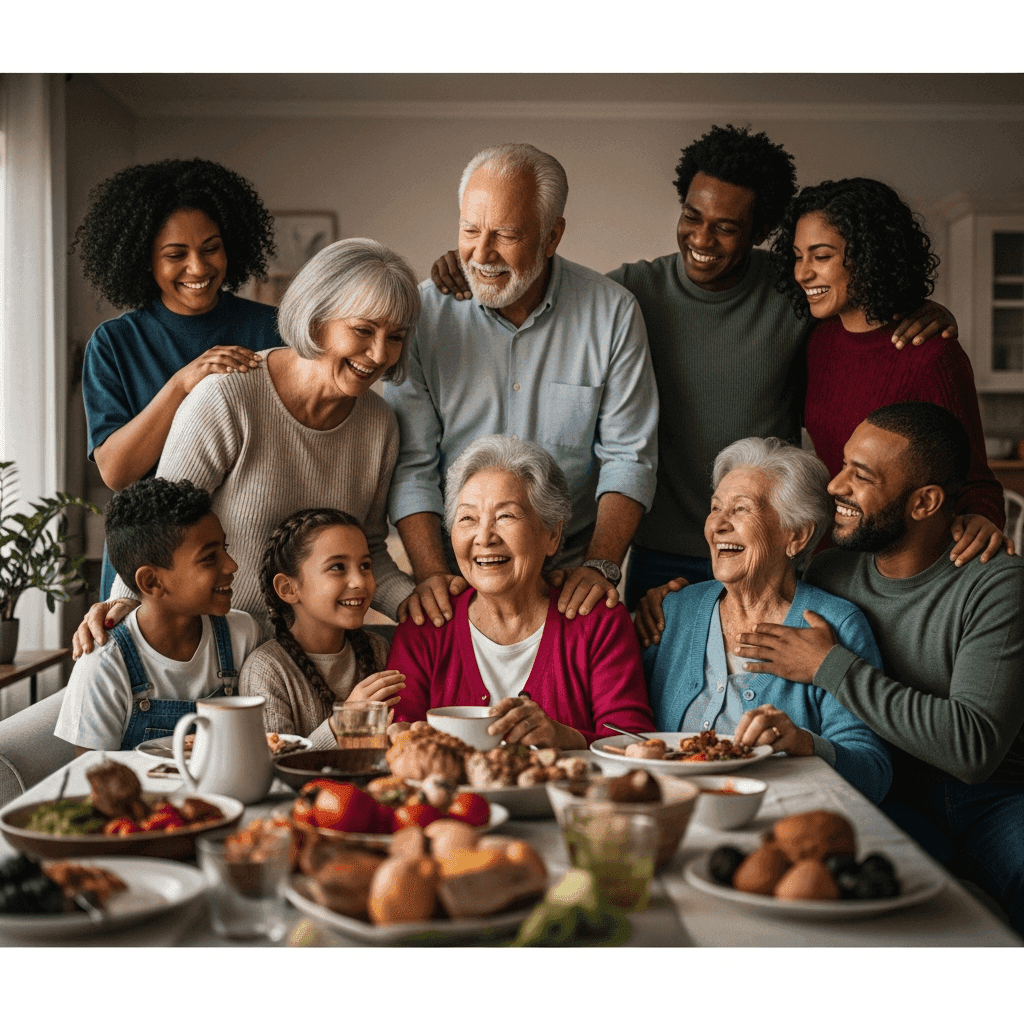
Unpacking the true essence of what constitutes a family often requires us to look beyond the antiquated, yet deeply ingrained, societal frameworks that have historically anchored our definitions to shared DNA, marital certificates, or conventional structural norms. While these elements undeniably play a role in countless households, they fall short of capturing the profound, multifaceted tapestry of human connection that truly binds people together in the 21st century. Indeed, the very heading of this section, "Unpacking Family: More Than Genes, It's About Heart Lines," serves as a vital compass, guiding us away from mere biological lineage and towards the rich, emotional architecture that forms the bedrock of genuine familial bonds. Here, the concept of "heart lines" emerges as paramount; it encapsulates the intricate, often invisible, threads of unwavering love, empathetic understanding, mutual respect, and an enduring sense of belonging that are consciously woven between individuals. This goes beyond the fortuitous alignment of genetic material, embracing the intentional cultivation of supportive relationships—whether in the warmth of adoptive homes, the dynamic resilience of blended families, the steadfast commitment within single-parent households, or the vibrant, life-affirming communities forged by chosen families, where friends become kin and mentors offer parental guidance. It is in these shared moments of joy, whispered confidences during crisis, and the steadfast presence through life's unpredictable currents that the real meaning of family crystallizes, transcending any legal document or blood tie to become a sanctuary for the soul, shaping our identities and providing unconditional acceptance in an ever-evolving world. The strength of these heart lines lies not in their predetermined nature, but in their deliberate nurture, reflecting a profound acknowledgment that family is, ultimately, a verb—an ongoing act of loving, supporting, and belonging.
Discussion
No comments yet
Be the first to share your opinion!

Jennifer Trimbee

Aug 19, 2025
0 reading now
What Causes Cysts and When to Worry
Cysts are fluid-filled sacs that can develop in various parts of the body, including the skin, ovaries, and internal organs. They are usually benign, meaning they are not cancerous, and are often caused by blockages in ducts, cell proliferation, or infections. Hormonal changes, genetic factors, and chronic inflammatory conditions can also contribute to cyst formation. While most cysts are harmless and may resolve on their own, some can become problematic if they grow large, cause pain, or become infected. It's important to monitor cysts and seek medical advice if they change in size, color, or sensation, or if they occur in conjunction with other symptoms.
Read more
Jennifer Trimbee
Aug 19, 2025
Disclaimer
This site offers information designed for educational purposes only. You should not rely on any information on this site as a substitute for professional medical advice, diagnosis, treatment, or as a substitute for, professional counseling care, advice, diagnosis, or treatment. If you have any concerns or questions about your health, you should always consult with a physician or other healthcare professional.