Gut Feelings: How Your Microbiome Shapes Your Mood
Your Health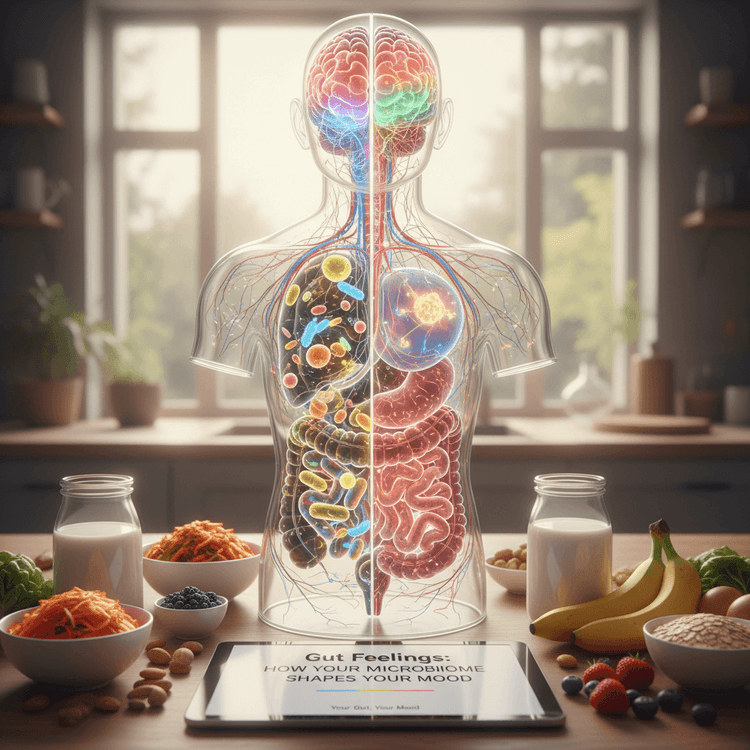
Dive deep into the fascinating and increasingly understood connection between your gut health and your emotional well-being. This comprehensive post, 'Your Gut, Your Mood,' uncovers the intricate pathways that link your digestive system directly to your brain, influencing everything from daily stress levels to long-term mental clarity. We'll explore the incredible power of your gut microbiome – the trillions of bacteria residing within you – and how these microscopic inhabitants play a monumental role in producing neurotransmitters essential for regulating mood, such as serotonin. Many people are unaware that a significant portion of the body's serotonin is actually manufactured in the gut, highlighting just how profoundly an imbalanced digestive system can impact psychological states. This article delves into the cutting-edge science behind the gut-brain axis, illustrating how communication between these two vital organs shapes your feelings, thoughts, and even your resilience to anxiety and depression. Learn to identify the signs of a gut imbalance and discover practical, evidence-based strategies to foster a healthier microbiome. From dietary adjustments rich in prebiotics and probiotics to lifestyle modifications that support optimal digestion, we provide actionable insights you can implement today. Understand how specific foods can either nourish or harm your gut, and consequently, your mood. We'll guide you through making informed choices that not only benefit your physical health but also profoundly enhance your mental and emotional landscape. Prepare to transform your understanding of well-being and unlock a powerful new approach to achieving lasting happiness and mental stability by nurturing your inner ecosystem. This isn't just about digestion; it's about holistic health and discovering the profound influence your belly has on your brain, offering a renewed sense of control over your emotional state and overall quality of life.
The Gut-Brain Axis: Unlocking Your Emotional and Mental Health
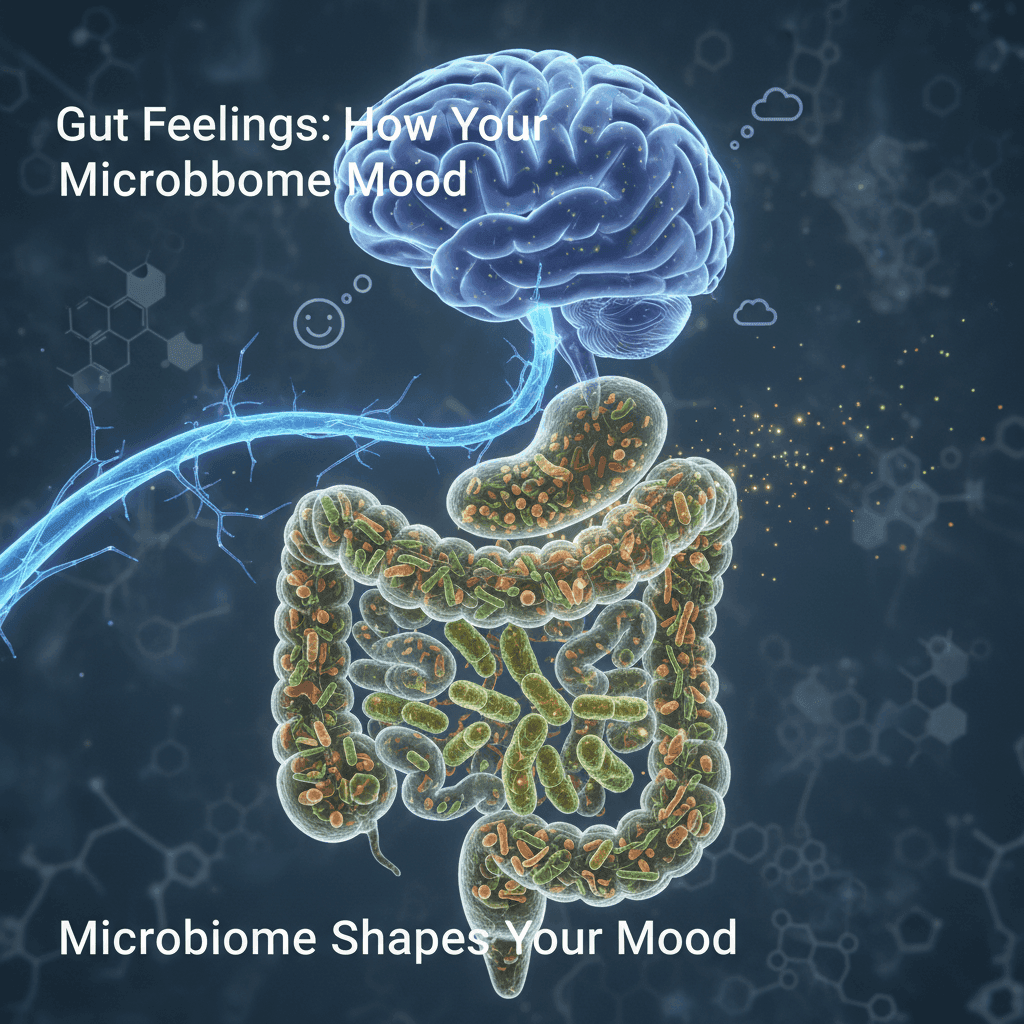
The fascinating concept of the gut-brain axis represents a sophisticated, two-way communication network that intricately links your digestive system with your central nervous system, profoundly influencing your emotional well-being and mental clarity. This direct biochemical signaling pathway, often dubbed the "second brain," explains how your gut health can significantly impact everything from daily stress levels to long-term psychological resilience. At the heart of this connection lies the gut microbiome – trillions of bacteria, fungi, and other microbes residing in your intestines. These microscopic inhabitants are not mere passengers; they are active participants in your health, playing a monumental role in producing vital neurotransmitters, such as serotonin, a key regulator of mood, sleep, and appetite. Astonishingly, a vast majority of the body's serotonin is manufactured in the gut, underscoring the profound impact an imbalanced digestive system can have on your psychological state. Disruptions in this delicate ecosystem can lead to a cascade of effects, influencing inflammatory responses, nutrient absorption, and ultimately, the signals sent to your brain, which can manifest as heightened anxiety, mood swings, or even contribute to more severe depressive symptoms. Understanding and nurturing this gut-brain axis is paramount to unlocking optimal emotional and mental health, offering a powerful avenue to enhance your overall quality of life by fostering a harmonious inner environment.
Unraveling the Gut-Brain Axis: Your Belly's Impact on Mood
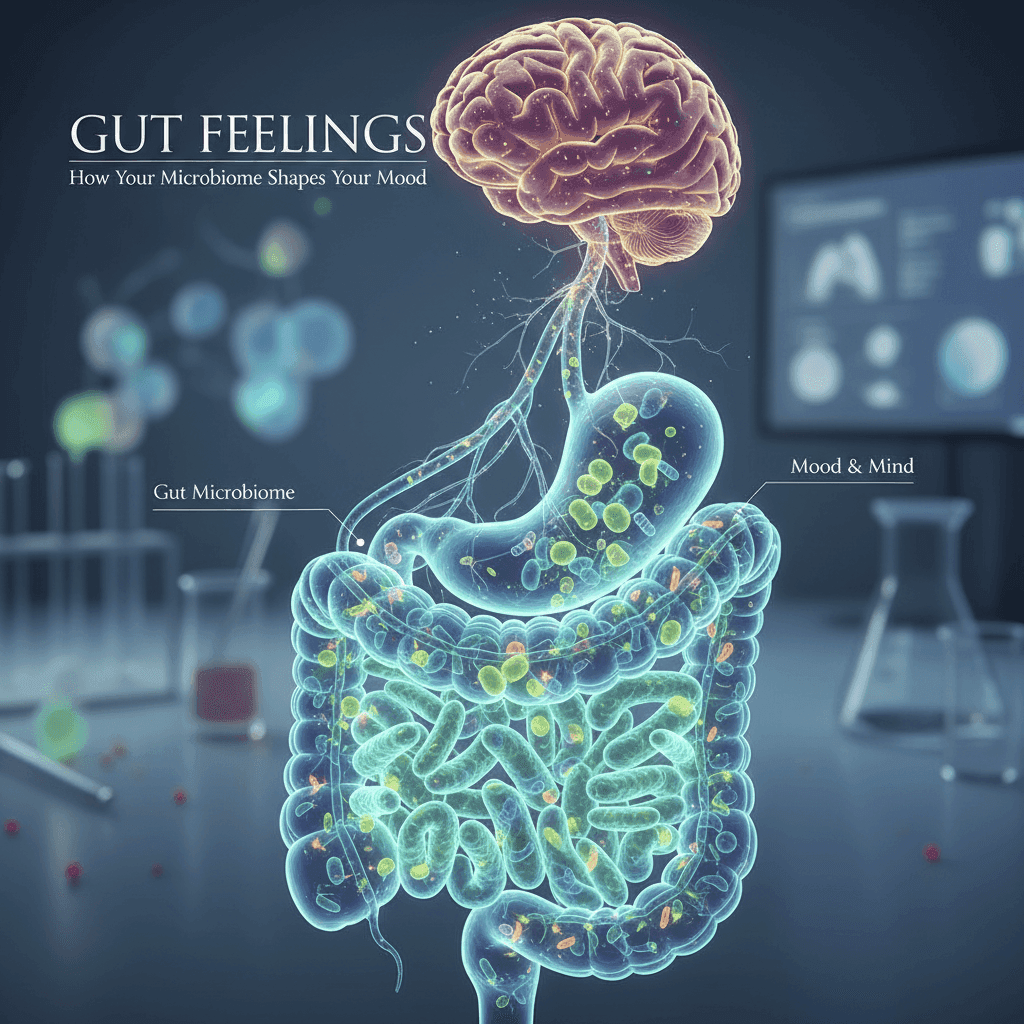
Delving deeper into the intricate world within, we uncover the fascinating concept of the gut-brain axis – a sophisticated, bidirectional communication highway that directly links your digestive system to your central nervous system. This isn't merely a vague connection, but a scientifically recognized, deeply influential pathway involving an elaborate network of nerves, hormones, and immune system signals that constantly exchange information, shaping everything from your cognitive function to your emotional resilience. At the heart of this axis lies your gut microbiome, a bustling ecosystem of trillions of bacteria whose profound impact on your mental landscape is increasingly understood. These microscopic inhabitants are not passive residents; they actively produce a myriad of neuroactive compounds, including a remarkable portion of the body's serotonin, a crucial neurotransmitter vital for regulating mood, sleep, and appetite. When this delicate inner ecosystem falls out of balance, often referred to as dysbiosis, the consequences can ripple far beyond digestive discomfort, manifesting as heightened stress levels, increased anxiety, diminished mental clarity, and even contributing to the onset or exacerbation of mood disorders. Understanding this profound interplay reveals that your gut is, in essence, a second brain, constantly influencing your feelings, thoughts, and overall psychological state. Nurturing this axis through mindful lifestyle choices and dietary adjustments rich in beneficial bacteria is not just about physical well-being, but a powerful, evidence-based strategy to cultivate lasting emotional stability and enhance your capacity to navigate life's challenges with greater equanimity. This intricate dialogue between your belly and your brain underscores a fundamental truth: true holistic health encompasses a harmonious internal environment, profoundly impacting your emotional landscape.
Discussion
No comments yet
Be the first to share your opinion!

Jennifer Trimbee

Aug 19, 2025

0 reading now
What Causes Cysts and When to Worry
Cysts are fluid-filled sacs that can develop in various parts of the body, including the skin, ovaries, and internal organs. They are usually benign, meaning they are not cancerous, and are often caused by blockages in ducts, cell proliferation, or infections. Hormonal changes, genetic factors, and chronic inflammatory conditions can also contribute to cyst formation. While most cysts are harmless and may resolve on their own, some can become problematic if they grow large, cause pain, or become infected. It's important to monitor cysts and seek medical advice if they change in size, color, or sensation, or if they occur in conjunction with other symptoms.
Read more
Jennifer Trimbee
Aug 19, 2025
Disclaimer
This site offers information designed for educational purposes only. You should not rely on any information on this site as a substitute for professional medical advice, diagnosis, treatment, or as a substitute for, professional counseling care, advice, diagnosis, or treatment. If you have any concerns or questions about your health, you should always consult with a physician or other healthcare professional.