Your Second Brain: How Gut Health Shapes Your Mental State
Your Health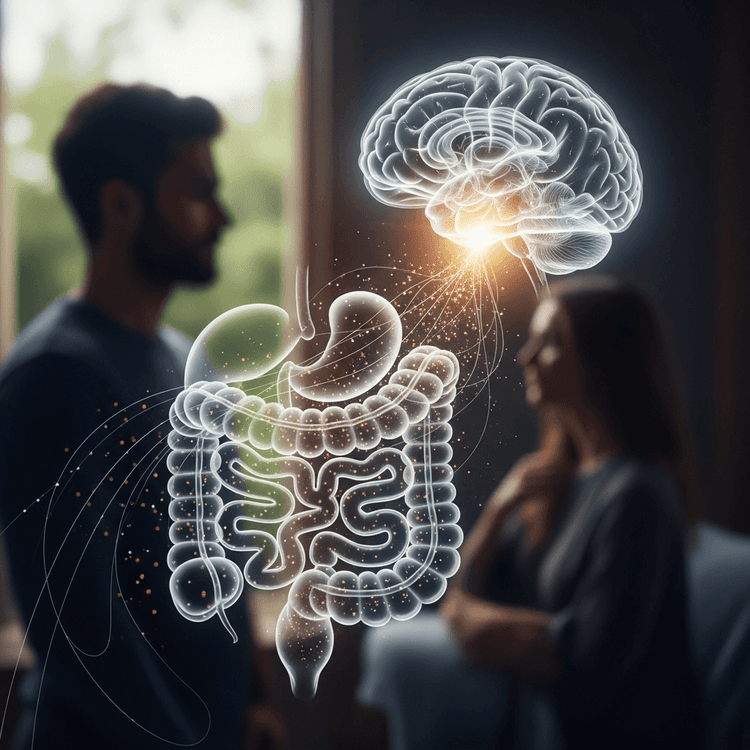
Delve into the fascinating and increasingly understood world of your gut-brain link, a critical highway of communication that profoundly influences everything from your mood and stress levels to your digestive health and cognitive function. Often referred to as your "second brain," the enteric nervous system (ENS) residing within your gut boasts hundreds of millions of neurons, intricately connected to your central nervous system (CNS) in the brain via the vagus nerve, hormones, and an astounding array of neurotransmitters. This bidirectional superhighway dictates far more than just how you digest your food; it's a silent architect of your emotional landscape and mental clarity. Are you experiencing unexplained mood swings, persistent anxiety, brain fog, or chronic digestive issues? These could be tell-tale signs that the delicate balance of your gut-brain axis is disturbed. Our comprehensive guide explores the intricate mechanisms behind this connection, revealing how the composition of your gut microbiome — the trillions of bacteria living within you — plays a pivotal role in producing essential neurotransmitters like serotonin, a key regulator of mood and happiness. Beyond the science, we provide actionable strategies to nurture this vital link. Discover how targeted nutritional choices, including prebiotic-rich foods, fermented delights, and a diverse whole-food diet, can foster a thriving gut ecosystem. Learn about the profound impact of stress management techniques, adequate sleep, and mindful practices on harmonizing your internal communication system. Uncover practical tips to reduce inflammation, enhance nutrient absorption, and cultivate resilience against daily stressors by supporting your gut health. By understanding and actively optimizing your gut-brain link, you unlock a powerful pathway to improved overall well-being. Prepare to transform not just your digestive comfort, but also your emotional stability, mental sharpness, and general vitality. This post is an essential read for anyone seeking a deeper understanding of their body's interconnected systems and striving for holistic health. Embark on this illuminating journey to empower your mind and body by nurturing the incredible bond between them.
Your Gut-Brain Link: The Architect of Mood, Mind, and Health
Your gut-brain link, a profound and intricate bidirectional superhighway, is far more than just a pathway for digestion; it acts as the very architect of your mood, mental clarity, and overarching health, subtly dictating the rhythm of your daily well-being. Often dubbed your "second brain," the enteric nervous system (ENS) within your gut houses hundreds of millions of neurons, maintaining constant dialogue with your central nervous system (CNS) through the vital vagus nerve, intricate hormonal signals, and a vast array of neurotransmitters. This fascinating connection explains why unexplained mood swings, persistent anxiety, elusive brain fog, or stubborn digestive woes might signal a disturbance in this delicate axis. The trillions of bacteria comprising your gut microbiome play a pivotal, often underestimated, role, actively synthesizing crucial neurotransmitters like serotonin, which profoundly impacts happiness and emotional balance. Understanding and actively nurturing this foundational link through targeted nutritional choices, stress reduction, and mindful living isn't merely about improving digestive comfort; it's about unlocking a powerful pathway to enhanced emotional stability, sharpened cognitive function, and robust vitality, truly empowering both your mind and body to thrive in harmony. This essential connection underscores a holistic approach to health, revealing how intimately linked our internal systems are in shaping our complete human experience.

Explore Your Gut-Brain Link: Optimize Mind, Mood, and Health
The intricate connection between your gut and brain, often dubbed the "gut-brain axis," is far more than a simple digestive pathway; it's a dynamic, bidirectional superhighway profoundly impacting your entire well-being. This fascinating link, centered around your enteric nervous system (ENS) — sometimes called your "second brain" due to its hundreds of millions of neurons — communicates constantly with your central nervous system (CNS) via the critical vagus nerve, an orchestra of hormones, and a symphony of neurotransmitters. Understanding this profound relationship is key, as a harmonious gut-brain axis is essential for optimal mood regulation, cognitive clarity, and robust digestive health, while imbalances can manifest as anxiety, brain fog, and persistent digestive issues. Your gut microbiome, the trillions of microorganisms residing within you, plays a starring role, influencing everything from the production of vital neurotransmitters like serotonin to your body's inflammatory responses. By exploring and nurturing this powerful internal communication system through mindful nutrition, stress reduction, and adequate sleep, you unlock significant potential to not only alleviate discomfort but also to enhance your emotional resilience, sharpen your mental acuity, and elevate your overall vitality, paving the way for a truly holistic state of health. This journey of discovery empowers you to proactively optimize your internal landscape, transforming your health from the inside out and cultivating a stronger, more vibrant self.
Discussion
No comments yet
Be the first to share your opinion!

Jennifer Trimbee

Aug 19, 2025

0 reading now
What Causes Cysts and When to Worry
Cysts are fluid-filled sacs that can develop in various parts of the body, including the skin, ovaries, and internal organs. They are usually benign, meaning they are not cancerous, and are often caused by blockages in ducts, cell proliferation, or infections. Hormonal changes, genetic factors, and chronic inflammatory conditions can also contribute to cyst formation. While most cysts are harmless and may resolve on their own, some can become problematic if they grow large, cause pain, or become infected. It's important to monitor cysts and seek medical advice if they change in size, color, or sensation, or if they occur in conjunction with other symptoms.
Read more
Jennifer Trimbee
Aug 19, 2025
Disclaimer
This site offers information designed for educational purposes only. You should not rely on any information on this site as a substitute for professional medical advice, diagnosis, treatment, or as a substitute for, professional counseling care, advice, diagnosis, or treatment. If you have any concerns or questions about your health, you should always consult with a physician or other healthcare professional.