Gut-Brain Axis: The Surprising Connection Inside You
Your Health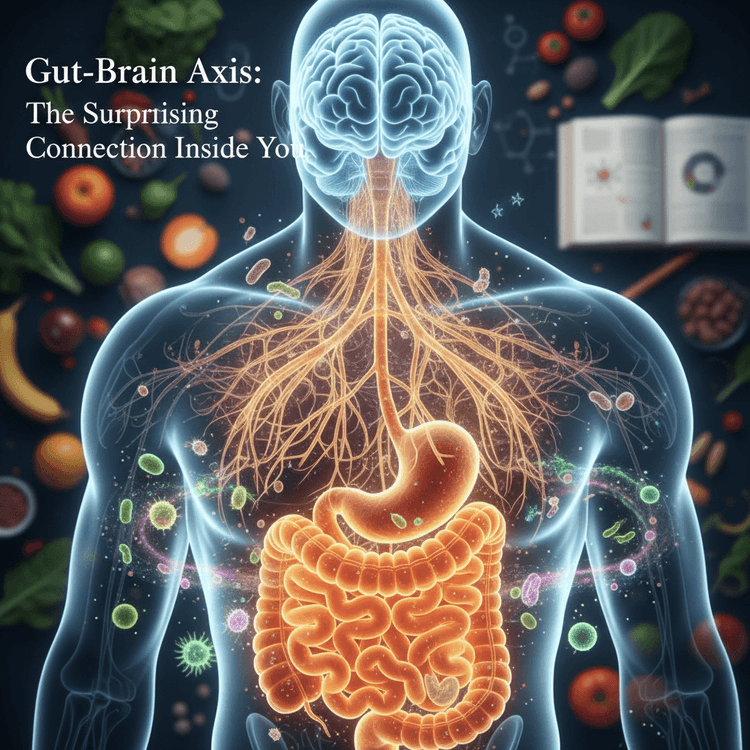
Dive deep into the fascinating and often overlooked connection between Your Gut and Your Brain. This comprehensive post unravels the intricate relationship known as the gut-brain axis, a bidirectional communication highway that profoundly influences everything from your mood and cognitive function to your overall mental well-being. We’ll explore how the trillions of microorganisms residing in your digestive tract – your gut microbiome – aren't just digesting food; they're actively producing neurotransmitters, modulating inflammation, and even influencing gene expression in ways that directly impact brain health. Discover the science behind how a healthy gut can foster mental clarity, alleviate anxiety, and enhance resilience against stress, while an imbalanced microbiome can contribute to brain fog, depression, and other neurological challenges. We'll delve into the vital role of the vagus nerve, the direct neural pathway linking these two seemingly separate organs, and discuss the concept of your gut as your "second brain." Learn about the critical importance of microbiome diversity, the impact of diet on mental health, and actionable strategies to nourish your gut for optimal brain performance. This isn't just about digestion; it's about unlocking a new dimension of holistic health. Understand how lifestyle choices, stress management, and specific dietary interventions can empower you to cultivate a thriving inner ecosystem, leading to enhanced focus, improved mood regulation, and a sharper mind. Prepare to transform your understanding of health and well-being by recognizing the profound power residing within your gut and its undeniable influence on the very essence of your thoughts and feelings. Unlock the secrets to a healthier, happier you, starting from within.
Beyond Digestion: How Your Gut Shapes Your Mood and Mind
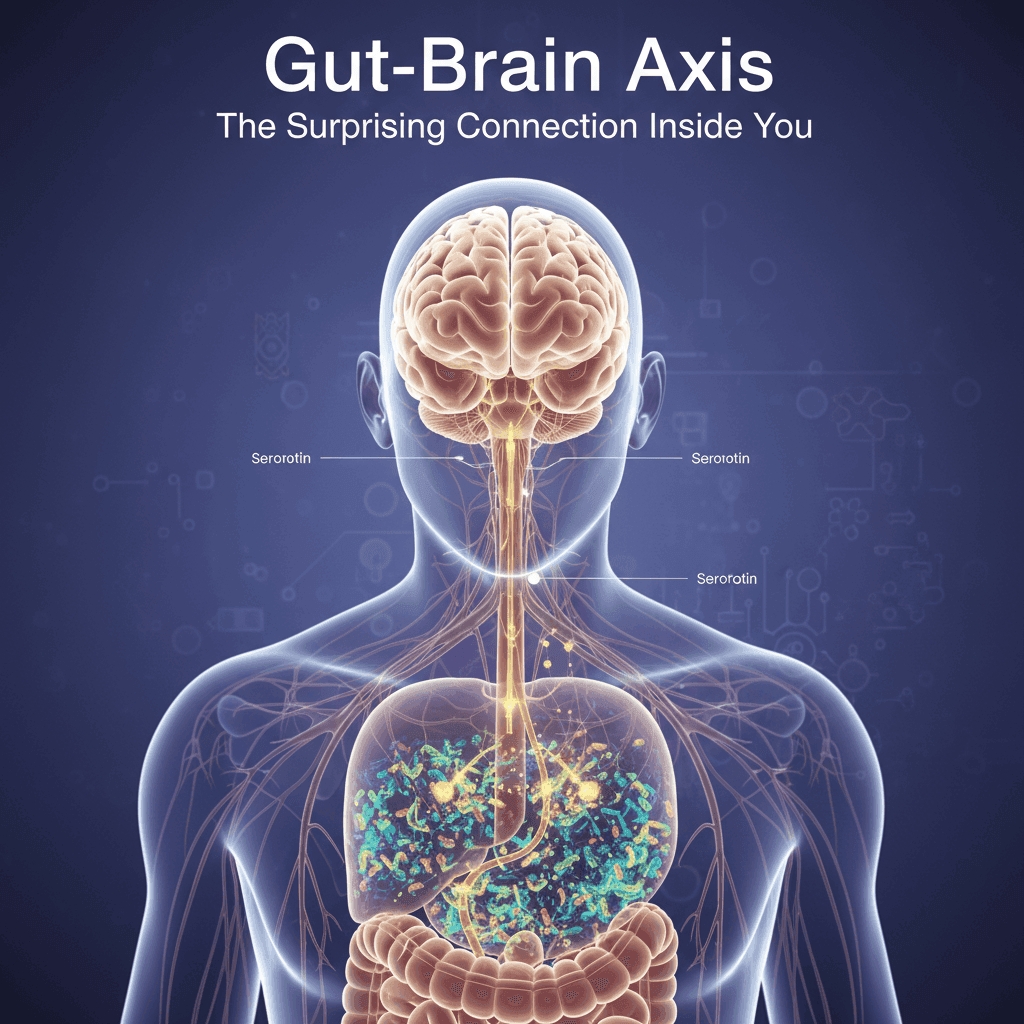
Beyond merely processing nutrients, your gut exerts an astonishing and pervasive influence over your mood and mental landscape, acting as a veritable second brain that communicates incessantly with your cranial command center. This intricate dialogue, often referred to as the gut-brain axis, is a bidirectional superhighway where trillions of microorganisms within your digestive tract, collectively known as the gut microbiome, are not passive residents but active participants in your psychological well-being. These microscopic tenants produce a remarkable array of neuroactive compounds, including up to 90% of the body's serotonin, a crucial neurotransmitter directly linked to feelings of happiness, calm, and overall mood stability. An imbalanced microbiome, conversely, can lead to widespread systemic inflammation, a condition increasingly recognized as a significant contributor to brain fog, anxiety disorders, and even the onset or exacerbation of depressive symptoms. The vagus nerve serves as a critical, direct neural conduit, transmitting signals from the gut to the brain and vice-versa, mediating the impact of gut health on cognitive function, stress response, and emotional regulation. Therefore, the state of your inner ecosystem doesn't just dictate digestive comfort; it fundamentally sculpts your mental clarity, emotional resilience, and overall predisposition towards joy or despair, underscoring the profound and often underestimated power of gut health in shaping the very essence of your thoughts and feelings.
The Gut-Brain Axis: Unlocking Your Mental Well-being
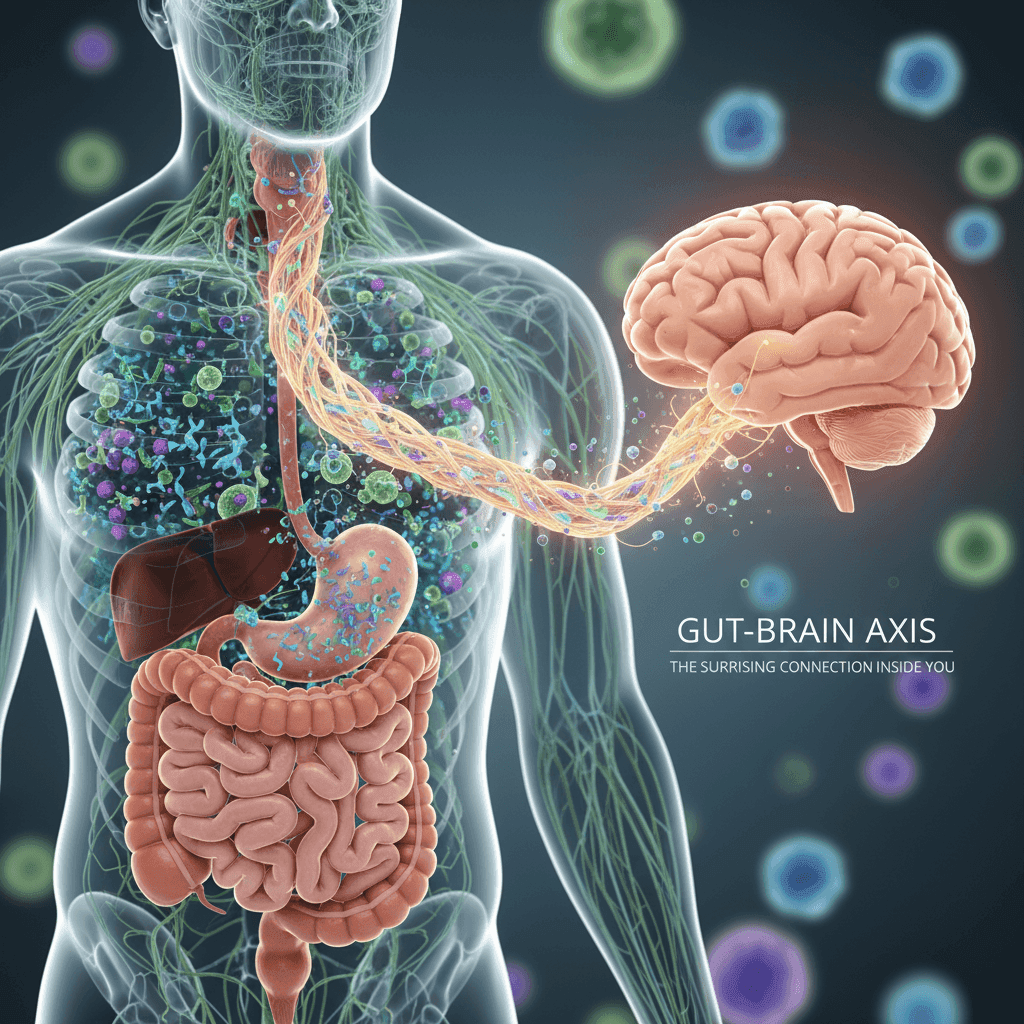
The intricate connection between your gut and your brain, often referred to as the gut-brain axis, is far more than just a biological curiosity; it is a bidirectional communication superhighway fundamentally dictating your mental well-being. This complex interplay reveals how the trillions of microorganisms inhabiting your digestive tract, collectively known as your gut microbiome, are not passive passengers merely aiding digestion. Instead, these microbial residents are active participants in a sophisticated biochemical dialogue, producing vital neurotransmitters like serotonin and dopamine, modulating systemic inflammation, and even influencing gene expression in ways that directly impact your mood, cognitive function, and overall mental resilience. A thriving, diverse microbiome acts as a powerful ally, fostering mental clarity, reducing anxiety, and enhancing your ability to cope with stress, effectively serving as a foundation for a robust psychological state. Conversely, an imbalanced or dysbiotic gut can pave the way for brain fog, heightened susceptibility to depression, and a spectrum of other neurological challenges, underscoring the critical importance of internal harmony for optimal mental health. The vagus nerve, a direct neural pathway, serves as a primary conduit for this constant exchange of information, solidifying the notion of your gut as a veritable "second brain." Understanding and nurturing this profound connection through targeted dietary choices, stress management techniques, and lifestyle adjustments is not merely about improving digestion; it is about strategically empowering yourself to unlock enhanced focus, achieve superior emotional regulation, and cultivate a sharper, more resilient mind, ultimately transforming your entire experience of well-being from the inside out.
Discussion
No comments yet
Be the first to share your opinion!

Jennifer Trimbee

Aug 19, 2025

0 reading now
What Causes Cysts and When to Worry
Cysts are fluid-filled sacs that can develop in various parts of the body, including the skin, ovaries, and internal organs. They are usually benign, meaning they are not cancerous, and are often caused by blockages in ducts, cell proliferation, or infections. Hormonal changes, genetic factors, and chronic inflammatory conditions can also contribute to cyst formation. While most cysts are harmless and may resolve on their own, some can become problematic if they grow large, cause pain, or become infected. It's important to monitor cysts and seek medical advice if they change in size, color, or sensation, or if they occur in conjunction with other symptoms.
Read more
Jennifer Trimbee
Aug 19, 2025

Disclaimer
This site offers information designed for educational purposes only. You should not rely on any information on this site as a substitute for professional medical advice, diagnosis, treatment, or as a substitute for, professional counseling care, advice, diagnosis, or treatment. If you have any concerns or questions about your health, you should always consult with a physician or other healthcare professional.