NiceAdvice
NiceAdvice

Categories

  • Family
  • Lifestyle and Welness
  • Diseases and Conditions
  • Your Health

About

Privacy PolicyTerms

Follow us:

  • Facebook
  • Instagram
  • LinkedIn

@2025 Nice Advice. All rights reserved.

Jennifer Trimbee
Jennifer Trimbee
dot

Sep 02, 2025

The Bountiful Benefits of Buttermilk

Lifestyle and Welness
The Bountiful Benefits of Buttermilk

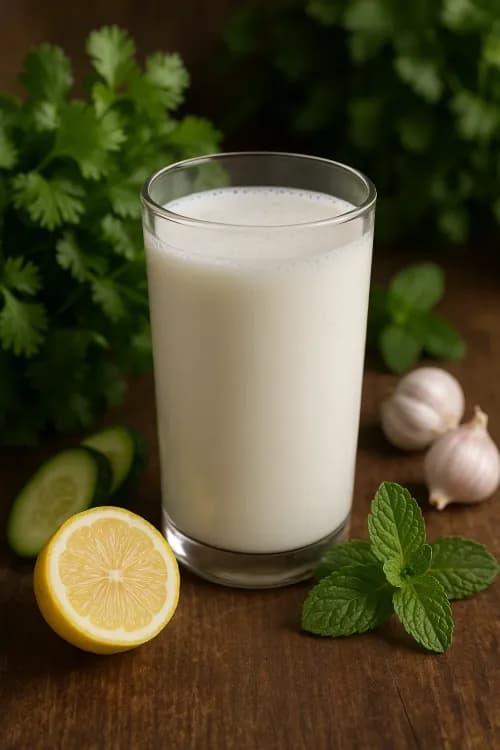
Buttermilk is a versatile and nutritious beverage that has been consumed for centuries. Traditionally a byproduct of butter-making, it is now commonly produced by culturing milk with bacteria. This tangy, low-fat drink is packed with essential nutrients like calcium, potassium, and vitamins B12 and D, making it a healthy choice for individuals seeking to improve their diet. Buttermilk also contains probiotics, which are beneficial bacteria that support a healthy digestive system and boost overall immunity. Additionally, its unique taste and creamy texture make it a popular ingredient in various culinary dishes, from pancakes to salad dressings.

Nutritional Powerhouse

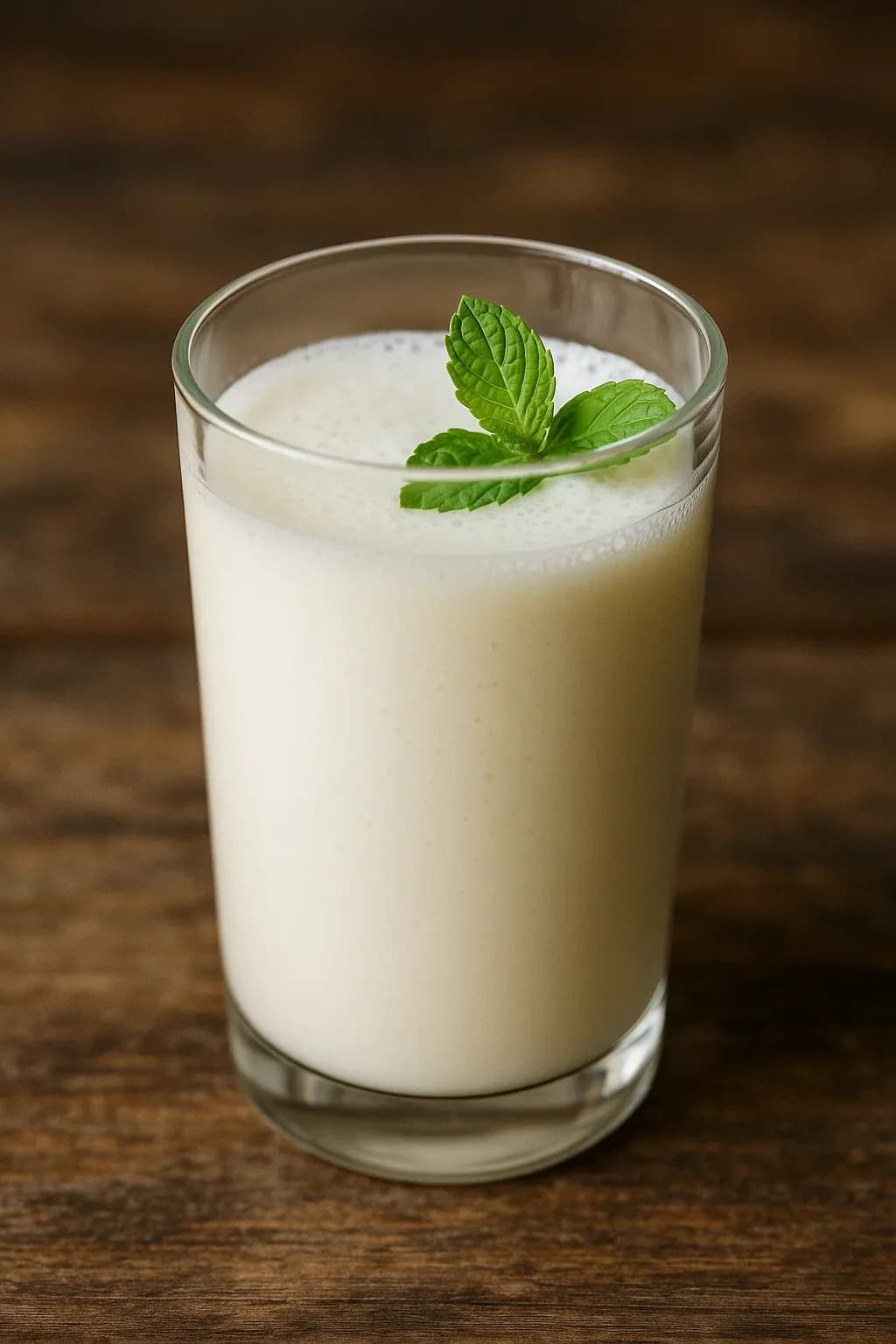
Buttermilk is a nutritional powerhouse that offers a myriad of health benefits. With its high calcium content, it plays a crucial role in maintaining strong bones and teeth, helping to prevent conditions such as osteoporosis. The potassium in buttermilk helps regulate blood pressure and supports cardiovascular health. Moreover, the presence of vitamin D enhances calcium absorption, ensuring that the body gets the maximum benefit from this essential mineral. The probiotics found in buttermilk contribute to a healthy gut microbiome, which is linked to improved digestion, reduced inflammation, and a stronger immune system. Regular consumption of buttermilk can also help in weight management due to its low-fat and low-calorie nature, making it an excellent alternative to higher-calorie dairy products.
Nutritional Powerhouse

Culinary Uses and Versatility

Beyond its health benefits, buttermilk is celebrated for its versatility in the kitchen. Its tangy flavor and creamy consistency make it a perfect ingredient for a range of dishes. In baking, buttermilk acts as a leavening agent, helping to create light and fluffy pastries, pancakes, and cakes. It is also used to tenderize meats, as the lactic acid breaks down proteins, resulting in juicy and flavorful dishes. Moreover, buttermilk is a popular base for marinades and dressings, adding depth and complexity to salads and grilled dishes. In many cultures, buttermilk is enjoyed as a refreshing beverage on its own, often seasoned with spices or herbs for an added kick. Its adaptability and unique taste ensure its place as a staple in kitchens around the world.

Culinary Uses and Versatility
Jennifer Trimbee
Jennifer Trimbee
dot

Aug 19, 2025

What Causes Cysts and When to Worry

0 reading now

What Causes Cysts and When to Worry

Cysts are fluid-filled sacs that can develop in various parts of the body, including the skin, ovaries, and internal organs. They are usually benign, meaning they are not cancerous, and are often caused by blockages in ducts, cell proliferation, or infections. Hormonal changes, genetic factors, and chronic inflammatory conditions can also contribute to cyst formation. While most cysts are harmless and may resolve on their own, some can become problematic if they grow large, cause pain, or become infected. It's important to monitor cysts and seek medical advice if they change in size, color, or sensation, or if they occur in conjunction with other symptoms.

Read more

Jennifer Trimbee
Jennifer Trimbee
dot

Aug 19, 2025

What is Galactosemia?

Disclaimer

This site offers information designed for educational purposes only. You should not rely on any information on this site as a substitute for professional medical advice, diagnosis, treatment, or as a substitute for, professional counseling care, advice, diagnosis, or treatment. If you have any concerns or questions about your health, you should always consult with a physician or other healthcare professional.

0 reading now

What is Galactosemia?

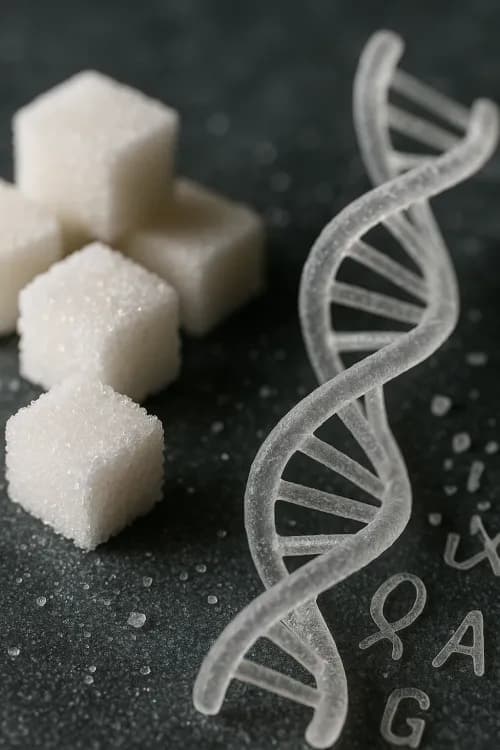
Galactosemia is a rare genetic metabolic disorder that affects an individual's ability to process the simple sugar galactose properly. Galactose is a component of lactose, the sugar found in milk and other dairy products. In individuals with galactosemia, the enzyme responsible for converting galactose into glucose is either deficient or absent altogether. This enzyme deficiency leads to the accumulation of galactose in the blood, which can be toxic and cause a range of serious health issues. Galactosemia is an inherited disorder, meaning it is passed down from parents to their children through genes. It is typically diagnosed shortly after birth through newborn screening tests. If left untreated, galactosemia can result in liver damage, intellectual disability, cataracts, and even death. Due to these risks, early diagnosis and dietary management are crucial in preventing the severe consequences associated with this condition. Treatment typically involves a strict galactose-free diet for life, which helps to avoid the complications associated with the accumulation of galactose in the body.

Read more

Jennifer Trimbee
Jennifer Trimbee
dot

Aug 19, 2025

10 General Symptoms of Personality Disorder

0 reading now

10 General Symptoms of Personality Disorder

Personality disorders are complex mental health conditions that significantly impact how individuals perceive themselves and others, often leading to difficulties in daily functioning. These disorders typically manifest in adolescence or early adulthood and can persist for many years. Understanding the general symptoms can be crucial for seeking appropriate treatment and support. Symptoms of personality disorders often include an enduring pattern of inner experience and behavior that deviates markedly from the expectations of the individual's culture. This pattern is pervasive and inflexible, leading to distress or impairment in personal, social, and occupational situations. These symptoms are typically grouped into categories such as cognitive, emotional, interpersonal, and impulse control problems. It is important to remember that while these symptoms can guide towards a diagnosis, a qualified mental health professional should conduct a comprehensive assessment to determine the presence of a personality disorder.

Read more

Jennifer Trimbee
Jennifer Trimbee
dot

Aug 22, 2025

What Causes Stomach Cancer?

0 reading now

What Causes Stomach Cancer?

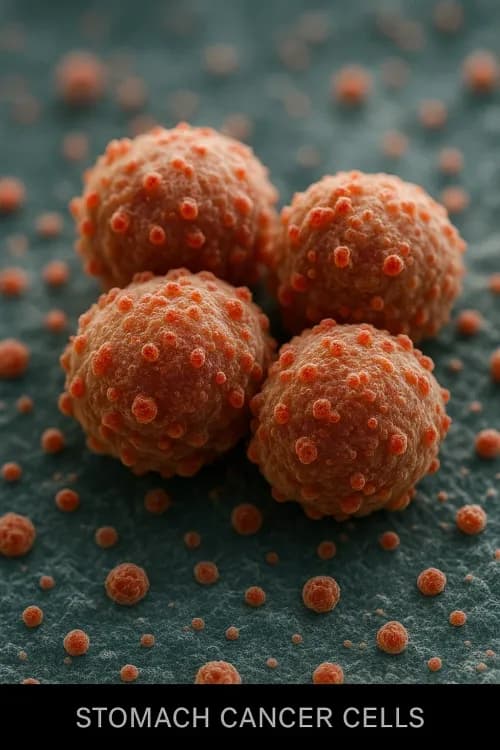
Stomach cancer, also known as gastric cancer, is a disease in which malignant cells form in the lining of the stomach. This can occur when there is a mutation in the cellular DNA, leading to uncontrolled cell growth. Various factors contribute to the risk of developing stomach cancer. These include infections, particularly with Helicobacter pylori, a type of bacteria that causes chronic inflammation and ulcers in the stomach lining. Additionally, lifestyle factors such as smoking, excessive alcohol consumption, and diets high in salted, smoked, or pickled foods can increase the risk. Genetic predispositions and family history also play a significant role, as certain gene mutations can be inherited, increasing susceptibility to the disease. Understanding these causes is crucial in developing preventative strategies and early detection methods to combat this serious illness.

Read more