How Quinoa Helps Your Body, Brain, and Gut
Lifestyle and Welness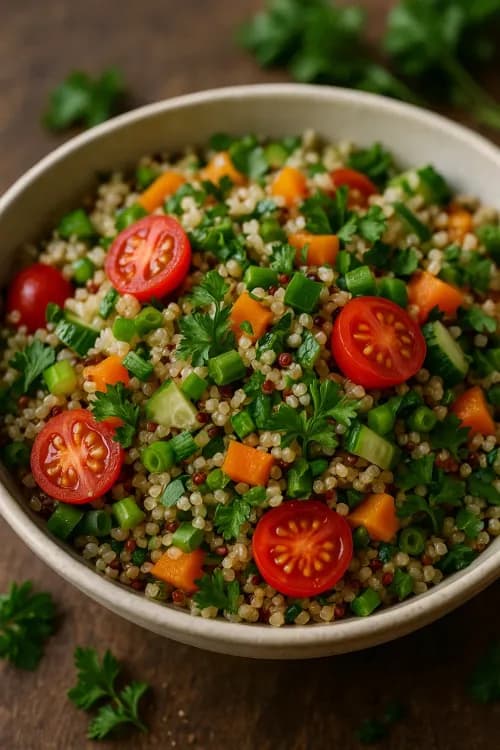
Quinoa, often referred to as a superfood, is a highly nutritious grain that has gained popularity across the globe due to its numerous health benefits. As a complete protein, quinoa contains all nine essential amino acids necessary for good health, making it an excellent choice for vegetarians and vegans. It is also rich in fiber, antioxidants, vitamins, and minerals, which support overall body function. Consuming quinoa can aid in weight management, promote heart health, and help regulate blood sugar levels. Additionally, its anti-inflammatory properties can reduce the risk of chronic diseases. Quinoa's high fiber content supports digestive health by promoting regular bowel movements and feeding the beneficial bacteria in the gut. These bacteria play a crucial role in maintaining a healthy intestinal environment, which is vital for optimal nutrient absorption and a robust immune system.
Benefits for the Body and Brain
Quinoa is packed with essential nutrients that contribute to overall physical and mental well-being. It is an excellent source of manganese, magnesium, phosphorus, and folate, all of which are vital for maintaining energy levels, supporting bone health, and ensuring proper brain function. The high content of iron in quinoa helps in the production of red blood cells, which transport oxygen throughout the body, enhancing energy and vitality. Moreover, quinoa's rich supply of antioxidants helps to combat oxidative stress, which can damage cells and lead to aging and various diseases. The presence of B vitamins in quinoa supports cognitive health by aiding the synthesis of neurotransmitters, which are crucial for mood regulation, memory, and overall brain function. Regular consumption of quinoa can thus help in maintaining a sharp and focused mind.
Supporting a Healthy Gut
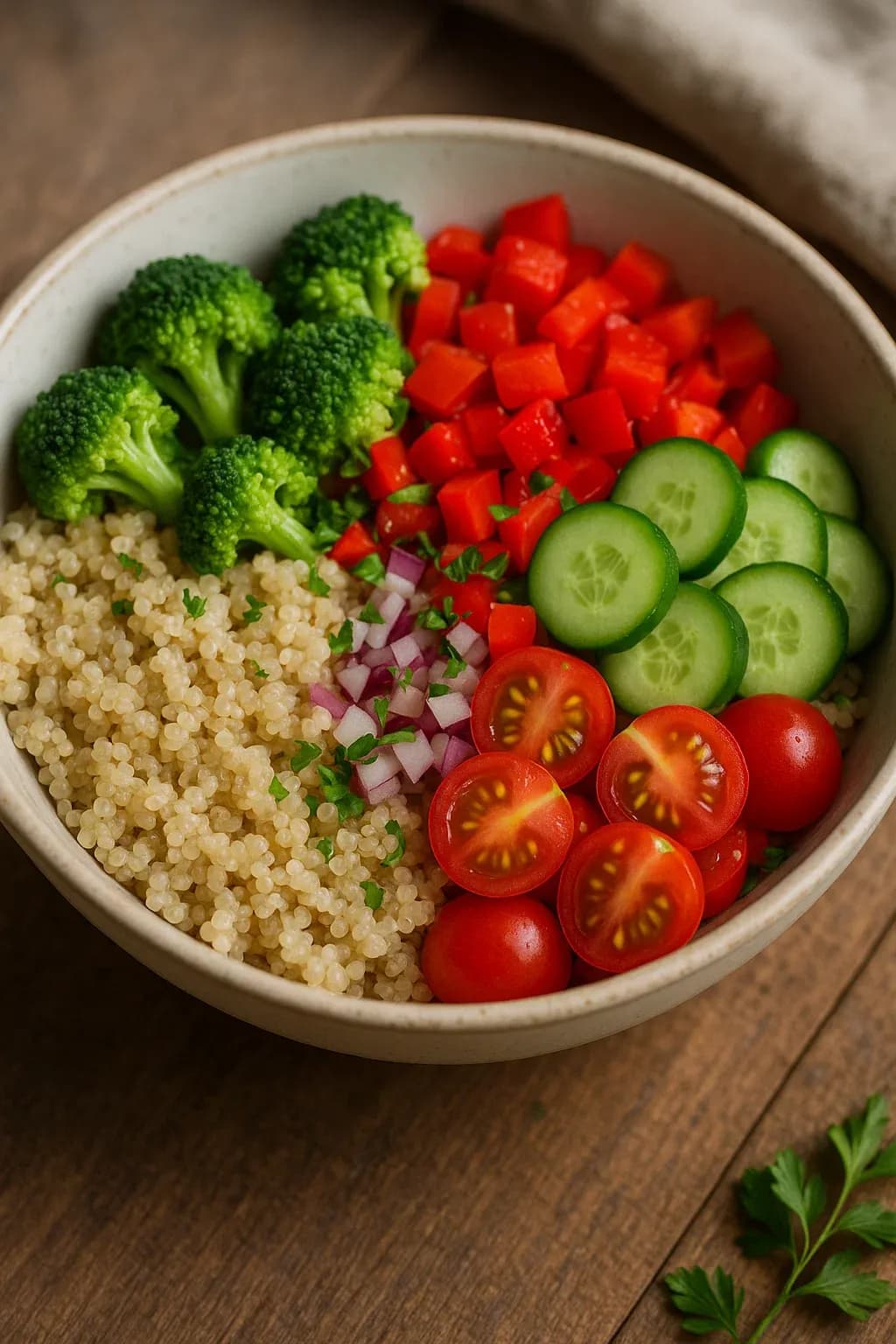
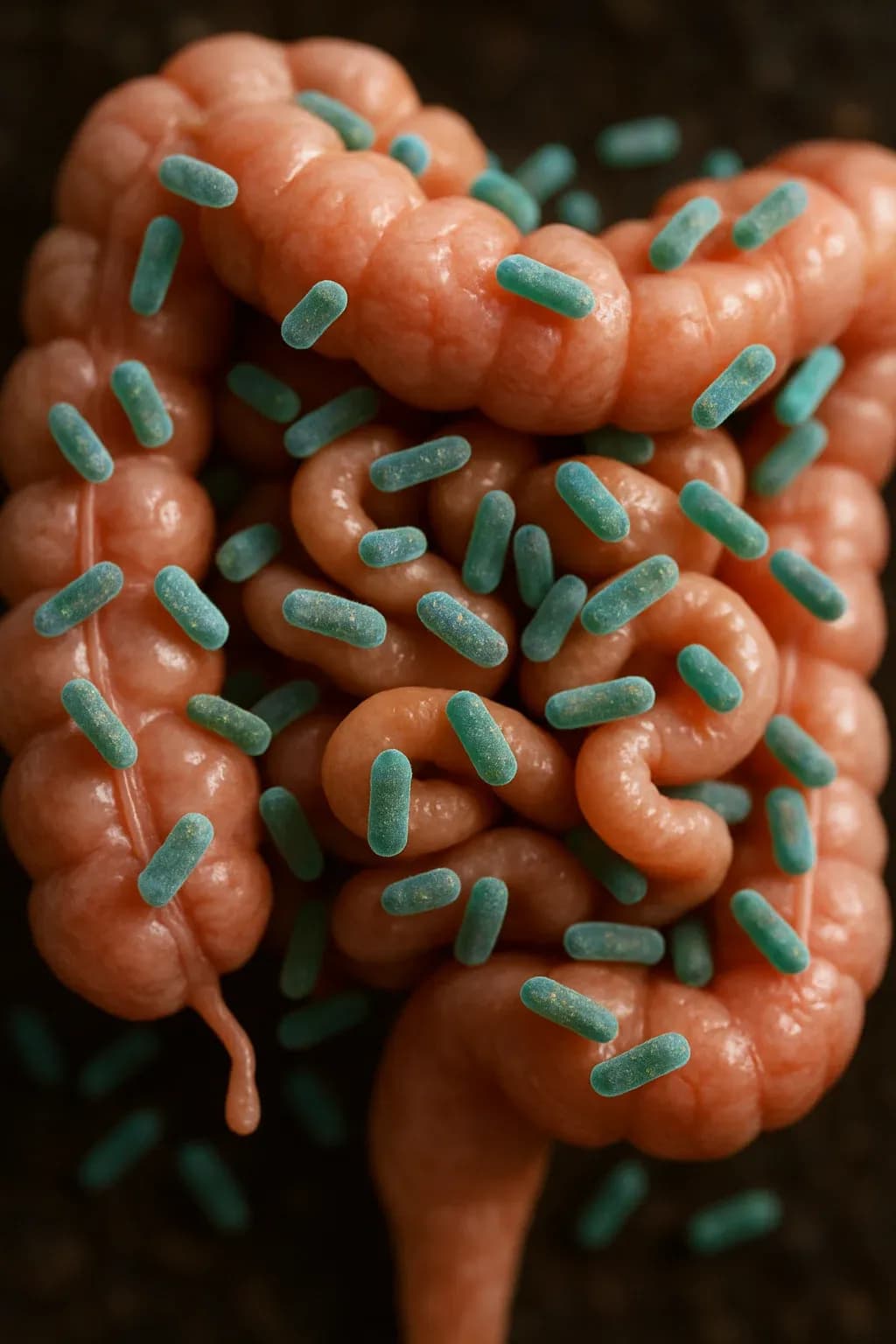
Quinoa's high fiber content is one of its most notable features, significantly benefiting digestive health. Fiber is essential for promoting regular bowel movements and preventing constipation, which can lead to discomfort and other gastrointestinal issues. By acting as a prebiotic, quinoa provides nourishment for the beneficial bacteria in the gut, which play a critical role in maintaining a balanced intestinal microbiome. This balance is crucial for optimal digestion, enhanced nutrient absorption, and a strong immune response. Additionally, the anti-inflammatory compounds found in quinoa can help soothe the gut lining, reducing the risk of inflammation-related conditions such as irritable bowel syndrome. Incorporating quinoa into your diet can thus contribute to a healthier digestive tract, improving overall gut health and wellness.
Discussion
No comments yet
Be the first to share your opinion!

Jennifer Trimbee

Aug 19, 2025

0 reading now
What Causes Cysts and When to Worry
Cysts are fluid-filled sacs that can develop in various parts of the body, including the skin, ovaries, and internal organs. They are usually benign, meaning they are not cancerous, and are often caused by blockages in ducts, cell proliferation, or infections. Hormonal changes, genetic factors, and chronic inflammatory conditions can also contribute to cyst formation. While most cysts are harmless and may resolve on their own, some can become problematic if they grow large, cause pain, or become infected. It's important to monitor cysts and seek medical advice if they change in size, color, or sensation, or if they occur in conjunction with other symptoms.
Read more
Jennifer Trimbee
Aug 19, 2025
Disclaimer
This site offers information designed for educational purposes only. You should not rely on any information on this site as a substitute for professional medical advice, diagnosis, treatment, or as a substitute for, professional counseling care, advice, diagnosis, or treatment. If you have any concerns or questions about your health, you should always consult with a physician or other healthcare professional.