
Recognizing and Treating Tick Bite Symptoms
Diseases and Conditions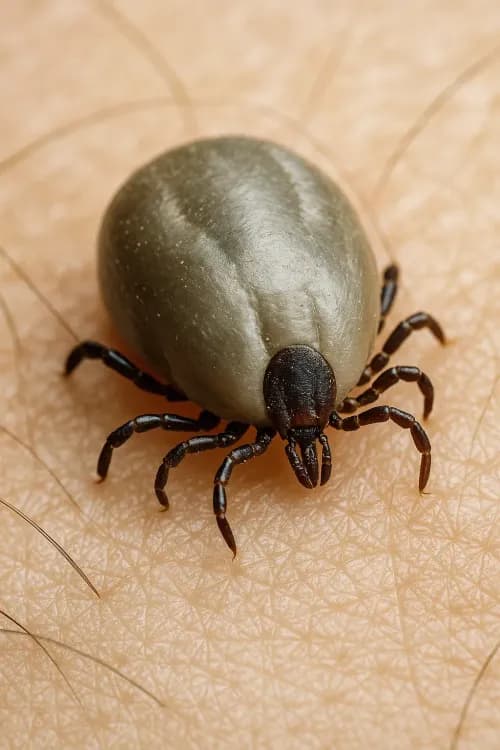
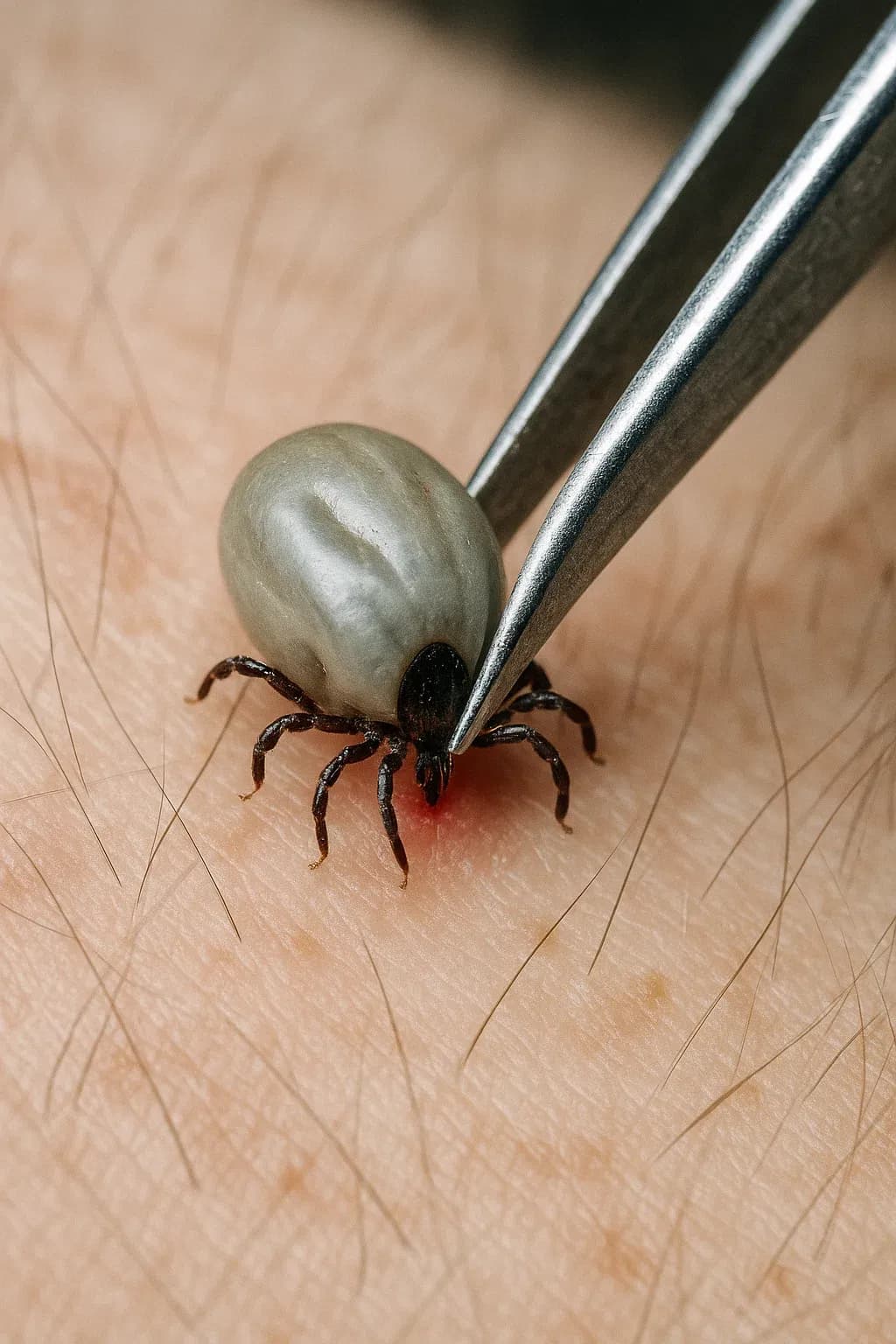
Ticks are small arachnids that can transmit various diseases to humans and animals. Recognizing the symptoms of a tick bite early can be crucial in preventing serious health complications. Initial symptoms may include redness, itching, and a circular rash around the bite site. If left untreated, more severe symptoms such as fever, headache, fatigue, and muscle aches can develop. These symptoms often mimic flu-like conditions, making them hard to identify as tick-related. In some cases, people may experience more specific signs like swelling at the bite site or a distinctive bull’s-eye rash, particularly if infected with Lyme disease. Immediate removal of the tick is essential to minimize the risk of disease transmission. It is recommended to use fine-tipped tweezers to grasp the tick as close to the skin's surface as possible and pull upward with steady pressure. After removal, clean the bite area with soap and water, and apply an antiseptic.
Understanding Tick Bite Symptoms
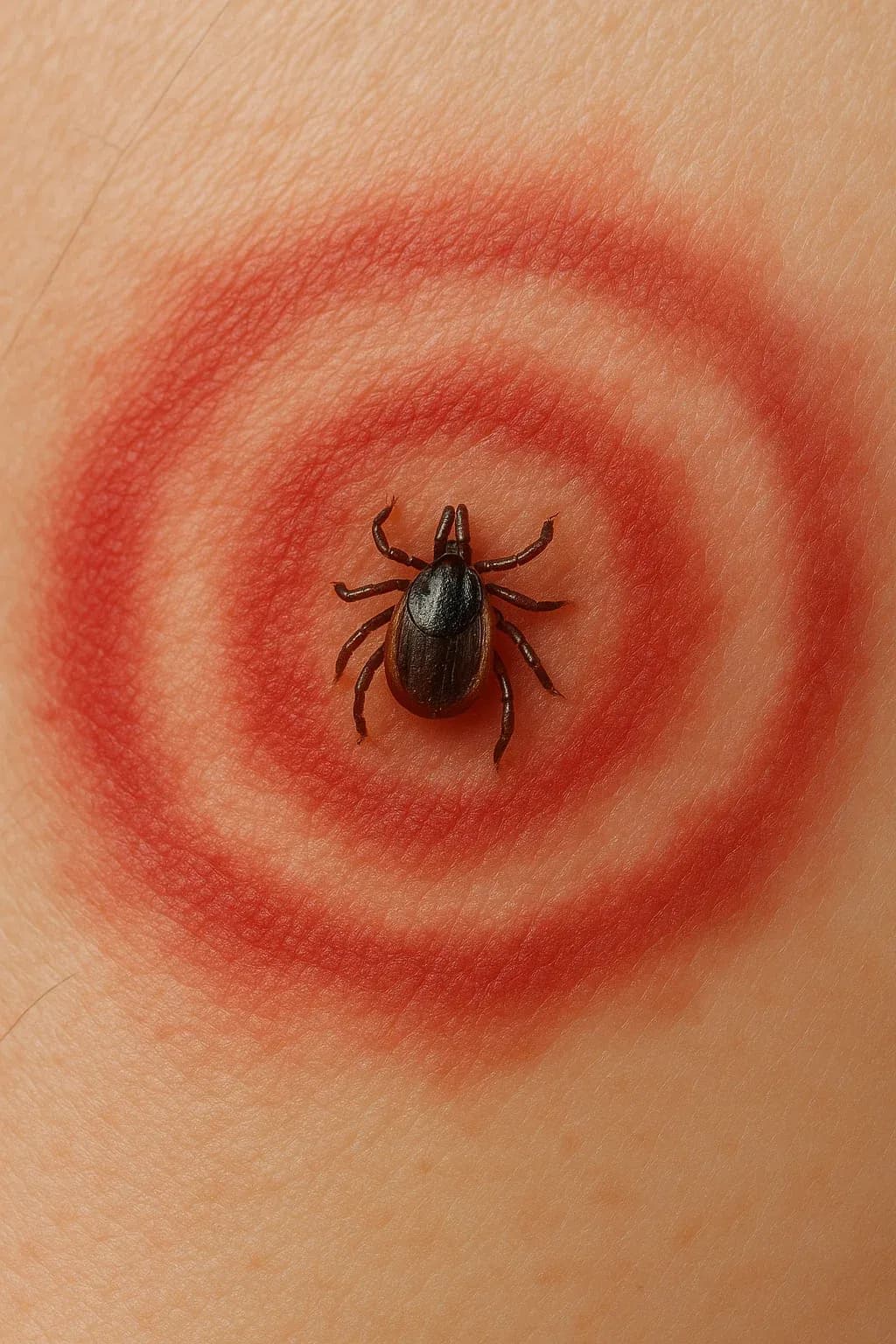
Ticks attach to the skin and can go unnoticed for hours or even days, making it vital to understand the symptoms associated with tick bites. One of the most common symptoms is the appearance of a rash at the bite site. This rash can vary in appearance from a small red bump to a larger, expanding rash. In the case of Lyme disease, the rash often takes on a bull’s-eye appearance, with a clear center surrounded by a red ring. Other symptoms may include itching, burning, or even pain at the site. It's important to monitor for systemic symptoms such as fever, chills, or swollen lymph nodes, which may indicate the spread of infection. Identifying these symptoms early can aid in prompt medical intervention. Consulting a healthcare provider is crucial if any unusual symptoms occur, especially if they persist or worsen over time. They may recommend diagnostic tests or preventive antibiotics if necessary.
Effective Treatments and Prevention
Treating a tick bite involves both immediate and long-term strategies. Immediate treatment focuses on removing the tick and cleaning the bite area thoroughly to prevent infection. Over-the-counter topical antiseptics can be applied to reduce the risk of bacterial infection. In cases where symptoms suggest possible transmission of a tick-borne disease, medical evaluation and treatment are essential. A healthcare provider may prescribe antibiotics, especially if Lyme disease is suspected, to prevent the progression of the disease. Preventive measures are equally important and include wearing protective clothing, using tick repellents, and performing thorough tick checks after spending time in wooded or grassy areas. Regularly treating pets with veterinarian-approved tick preventatives can also reduce the risk of bringing ticks into the home. Educating oneself on the habitats and behaviors of ticks can significantly reduce the likelihood of future bites.

Jennifer Trimbee

Aug 19, 2025

0 reading now
What Causes Cysts and When to Worry
Cysts are fluid-filled sacs that can develop in various parts of the body, including the skin, ovaries, and internal organs. They are usually benign, meaning they are not cancerous, and are often caused by blockages in ducts, cell proliferation, or infections. Hormonal changes, genetic factors, and chronic inflammatory conditions can also contribute to cyst formation. While most cysts are harmless and may resolve on their own, some can become problematic if they grow large, cause pain, or become infected. It's important to monitor cysts and seek medical advice if they change in size, color, or sensation, or if they occur in conjunction with other symptoms.
Read more
Jennifer Trimbee
Aug 19, 2025

Disclaimer
This site offers information designed for educational purposes only. You should not rely on any information on this site as a substitute for professional medical advice, diagnosis, treatment, or as a substitute for, professional counseling care, advice, diagnosis, or treatment. If you have any concerns or questions about your health, you should always consult with a physician or other healthcare professional.


Discussion
0No comments yet
Be the first to share your thoughts on this article.