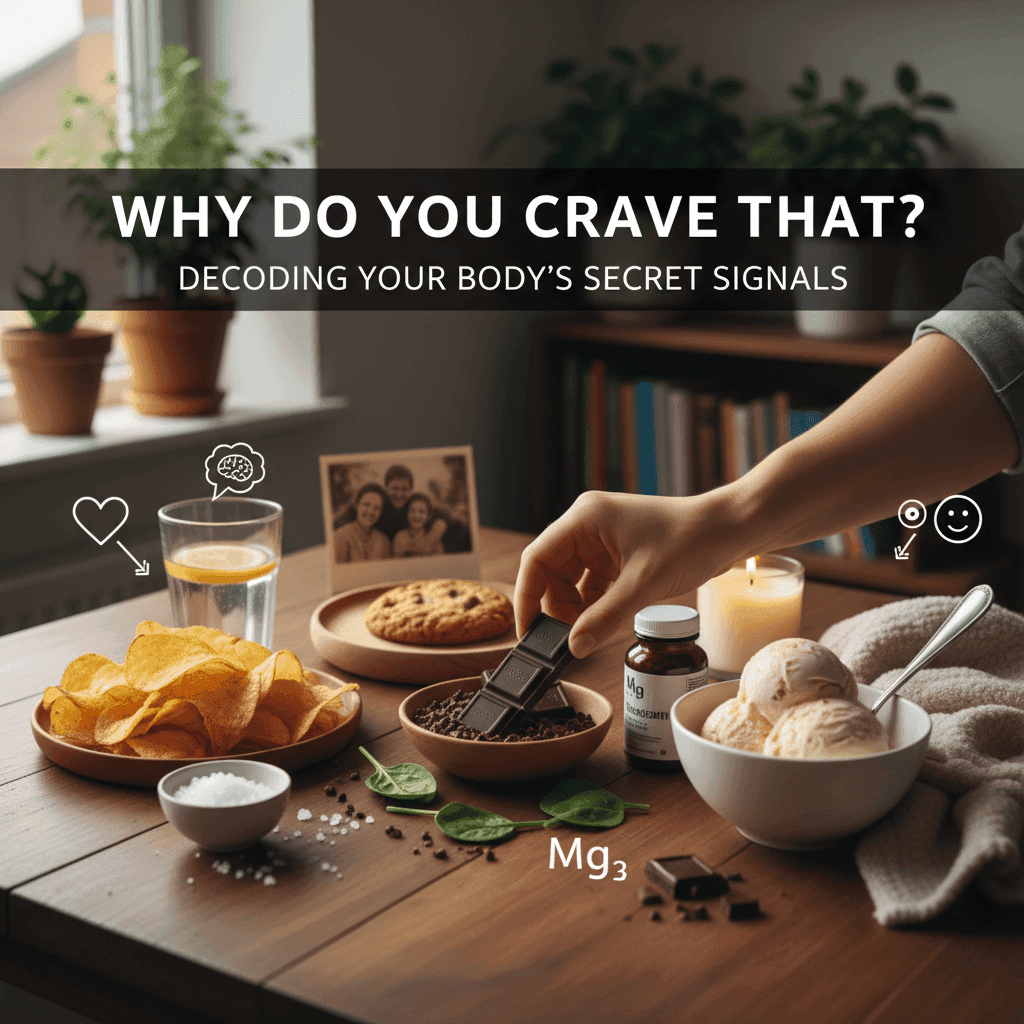
Why Do You Crave That? Decoding Your Body's Secret Signals
Your Health
Do you ever find yourself irresistibly drawn to a specific food, feeling an intense, almost primal urge that’s hard to ignore? Whether it's the siren call of something sweet, the comforting crunch of salty snacks, or the rich indulgence of a creamy treat, cravings are a universal human experience that can often feel overwhelming and mysterious. Many of us simply chalk them up to a lack of willpower or a momentary weakness, succumbing to the desire only to feel a wave of guilt or frustration afterwards. But what if these powerful urges aren't just random whims, but rather profound messages from our bodies and minds, trying to tell us something vital? This insightful post delves deep into the fascinating world of 'Decoding Your Cravings,' transforming them from enigmatic challenges into actionable insights. We’re going beyond the surface-level desire to explore the myriad underlying reasons behind why we crave what we do. Discover how cravings can be subtle indicators of nutritional deficiencies, signaling a genuine need for specific vitamins, minerals, or macronutrients that your body might be lacking. Uncover the intricate connection between your emotional state and your food desires, revealing how stress, boredom, loneliness, or even joy can manifest as a specific longing for certain textures, flavors, or comfort foods. This comprehensive exploration helps you recognize patterns that often go unnoticed, offering a fresh perspective on your daily dietary choices. Furthermore, we'll dissect the powerful role of habits and environmental triggers, understanding how routine, sensory cues, and social contexts can unconsciously drive us towards particular snacks or meals, creating deeply ingrained patterns that are hard to break. This comprehensive guide provides you with practical strategies and a revolutionary framework to interpret these internal signals effectively. Learn to differentiate between true physiological hunger and emotionally driven appetite, identify common craving patterns unique to your own body, and equip yourself with mindful tools to respond to your body's true needs with compassion and wisdom, rather than reactive indulgence. Instead of fighting against your cravings, imagine harnessing them as a powerful source of self-knowledge and personal growth. You'll gain the ability to make more informed, healthier choices that truly nourish your body and soul, leading to a profound sense of balance, control, and well-being. Embrace this journey to understand yourself better, transform your relationship with food, and unlock a healthier, happier you, free from the cycle of unexamined indulgence and subsequent regret. This isn't about deprivation; it's about empowerment through understanding, fostering a sustainable approach to mindful eating and holistic health.
More Than Hunger: What Your Cravings Are Really Telling You
Often dismissed as mere weaknesses or a simple lack of discipline, the powerful pull of a craving is, in fact, a sophisticated communication from your internal landscape, far more intricate than the basic pangs of physical hunger. These intense urges are rarely random; instead, they serve as potent signals, offering invaluable clues about your body's subtle nutritional requirements and your mind's deeper emotional currents. Your persistent desire for something salty might be a sign of a mineral imbalance, urging you towards electrolytes or hydration, while an insatiable longing for chocolate could indicate a need for magnesium, antioxidants, or a profound yearning for comfort and stress relief. Beyond the purely physical, cravings frequently mirror your emotional state, manifesting as a primal urge for specific textures, flavors, or macronutrients when you're feeling stressed, lonely, bored, anxious, or even celebratory. That sudden, overwhelming need for a creamy, rich dessert might not be about genuine caloric need, but rather a subconscious plea for solace, connection, or a moment of self-indulgence to cope with mental fatigue or emotional void. Understanding this nuanced interplay is crucial; it transforms the act of craving from a battle against temptation into a profound opportunity for self-discovery, allowing you to move beyond reactive indulgence and cultivate a mindful response that truly addresses your body's holistic needs, whether they are physiological, psychological, or an intricate blend of both, guiding you towards authentic nourishment and well-being rather than just temporary satisfaction and subsequent regret.
Decoding Your Cravings: Understanding Nutritional & Emotional Roots
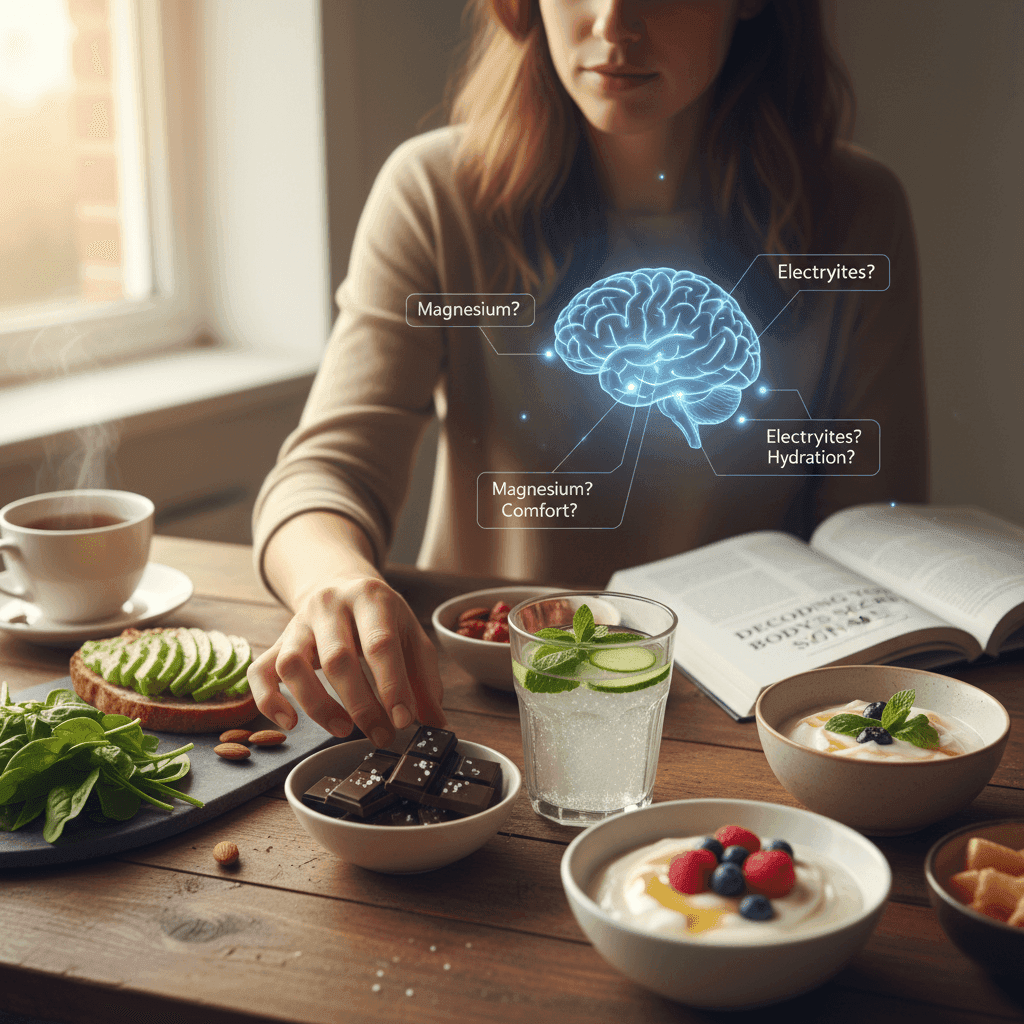
Beyond the immediate allure of a specific food lies a complex interplay of signals originating from both our physiology and our psyche, a powerful dialogue that our bodies and minds are constantly attempting to communicate through the seemingly simple act of craving. Far from being mere whims or indicators of a lack of willpower, these intense urges often serve as profound messengers, pointing towards deeper, unmet needs. On one hand, your craving could be a subtle, yet significant, indicator of a nutritional deficiency, a biological SOS for specific vitamins, minerals, or macronutrients your body genuinely requires for optimal function. Perhaps that relentless desire for chocolate isn't just about the sugar, but a silent plea for magnesium, or the urge for salty snacks signals a need for electrolytes or even a slight dehydration. Understanding this physiological root empowers you to address the actual deficit rather than just suppressing the symptom. Conversely, the emotional landscape plays an equally crucial, often more insidious, role in shaping our food desires. Stress, boredom, loneliness, anxiety, or even moments of joy can manifest as an intense longing for particular textures, flavors, or the nostalgic comfort associated with certain foods. That creamy ice cream might be a balm for a stressful day, the crunchy chips a distraction from boredom, or a warm cookie a stand-in for connection. By truly listening to and interpreting these internal signals, we transform cravings from enigmatic challenges into actionable insights, differentiating between true physiological hunger and an emotionally driven appetite. This profound understanding fosters a sustainable approach to mindful eating, empowering you to nourish your body and soul with compassion and wisdom, leading to genuine balance and well-being rather than reactive indulgence.
Discussion
No comments yet
Be the first to share your opinion!

Jennifer Trimbee

Aug 19, 2025

0 reading now
What Causes Cysts and When to Worry
Cysts are fluid-filled sacs that can develop in various parts of the body, including the skin, ovaries, and internal organs. They are usually benign, meaning they are not cancerous, and are often caused by blockages in ducts, cell proliferation, or infections. Hormonal changes, genetic factors, and chronic inflammatory conditions can also contribute to cyst formation. While most cysts are harmless and may resolve on their own, some can become problematic if they grow large, cause pain, or become infected. It's important to monitor cysts and seek medical advice if they change in size, color, or sensation, or if they occur in conjunction with other symptoms.
Read more
Jennifer Trimbee
Aug 19, 2025
Disclaimer
This site offers information designed for educational purposes only. You should not rely on any information on this site as a substitute for professional medical advice, diagnosis, treatment, or as a substitute for, professional counseling care, advice, diagnosis, or treatment. If you have any concerns or questions about your health, you should always consult with a physician or other healthcare professional.