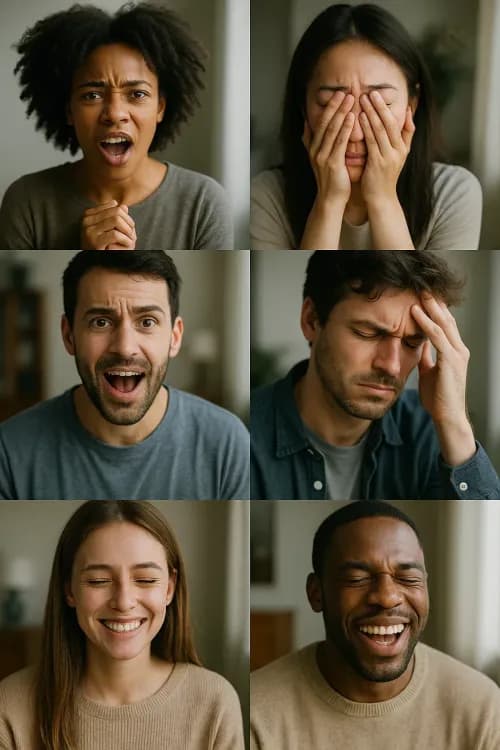
Our Traditions: Sacred Rituals or Shackles Holding Us Back?
Family
Dive deep into the fascinating, often contentious, realm of traditions with our latest thought-provoking discussion: 'Traditions: Keep or Change?'. From ancient rituals to cherished family customs, traditions form the very fabric of our societies and personal identities. They provide comfort, a sense of belonging, and a powerful link to our past, offering invaluable insights into who we are and where we come from. Yet, in an ever-evolving world marked by rapid social, technological, and cultural shifts, many find themselves questioning the relevance, practicality, and even the morality of practices passed down through generations. Is every tradition a sacred inheritance to be preserved at all costs, or are some merely relics of a bygone era that inadvertently hinder progress, stifle individuality, or perpetuate outdated norms that no longer serve us? This compelling post invites you to explore the delicate balance between honoring our heritage and embracing necessary evolution. We'll delve into the profound psychological, social, and cultural implications of both steadfast adherence to established ways and the courageous pursuit of transformation. What makes a tradition truly worth keeping, cultivating, and passing on? When does 'the way we've always done it' become an impediment to growth rather than a cherished guide? We examine the courage it takes to challenge established norms, the wisdom required to discern between core values and superficial practices, and the immense potential for creating new, more inclusive, and deeply meaningful traditions for the future. Join us as we dissect this timeless dilemma, encouraging you to reflect on your own intricate relationship with the traditions that shape your life, and consider the profound, far-reaching impact of deciding whether to keep, adapt, or boldly change them for the better.
Navigating Tradition: When to Keep, Adapt, or Let Go?
Navigating the intricate tapestry of traditions presents a profound challenge: discerning which threads to meticulously preserve, which to reweave with contemporary hues, and which, perhaps, to gently snip away entirely. It's a nuanced dance between reverence for the past and responsibility towards the future, demanding both introspection and courage. To *keep* a tradition often means recognizing its immutable core, its intrinsic value as a repository of shared history, communal identity, or profound philosophical wisdom. These are the practices that anchor us, providing comfort, continuity, and a sense of belonging that transcends fleeting trends, connecting generations through rituals that speak to universal human experiences like birth, love, loss, and celebration. Yet, the world is not static, and neither should our engagement with heritage be. The call to *adapt* traditions arises when established norms, while still holding sentimental value, no longer fully align with contemporary ethical standards, practical realities, or inclusive ideals. This doesn't necessitate abandonment but rather a creative reinterpretation – modifying a ritual to be more inclusive, updating language to reflect modern understanding, or shifting focus from outdated symbolism to its enduring underlying principle. Such adaptation breathes new life into old forms, ensuring relevance and preventing ossification, allowing traditions to evolve alongside society rather than becoming relics. The most difficult decision, however, is when to unequivocally *let go*. This typically occurs when a tradition, upon critical examination, is found to be inherently harmful, exclusionary, discriminatory, economically unsustainable, or fundamentally at odds with progress and justice. Holding onto such practices out of blind loyalty or fear of change risks perpetuating inequity and stifling societal advancement. The process of navigation is neither simple nor universally prescriptive; it demands active critical engagement, open dialogue, and a willingness to question 'the way we've always done it' with both respect and a forward-looking vision. Ultimately, the goal is not to preserve tradition for its own sake, but to cultivate a vibrant, meaningful heritage that enriches lives, fosters connection, and propels humanity toward a more enlightened, equitable, and compassionate future.
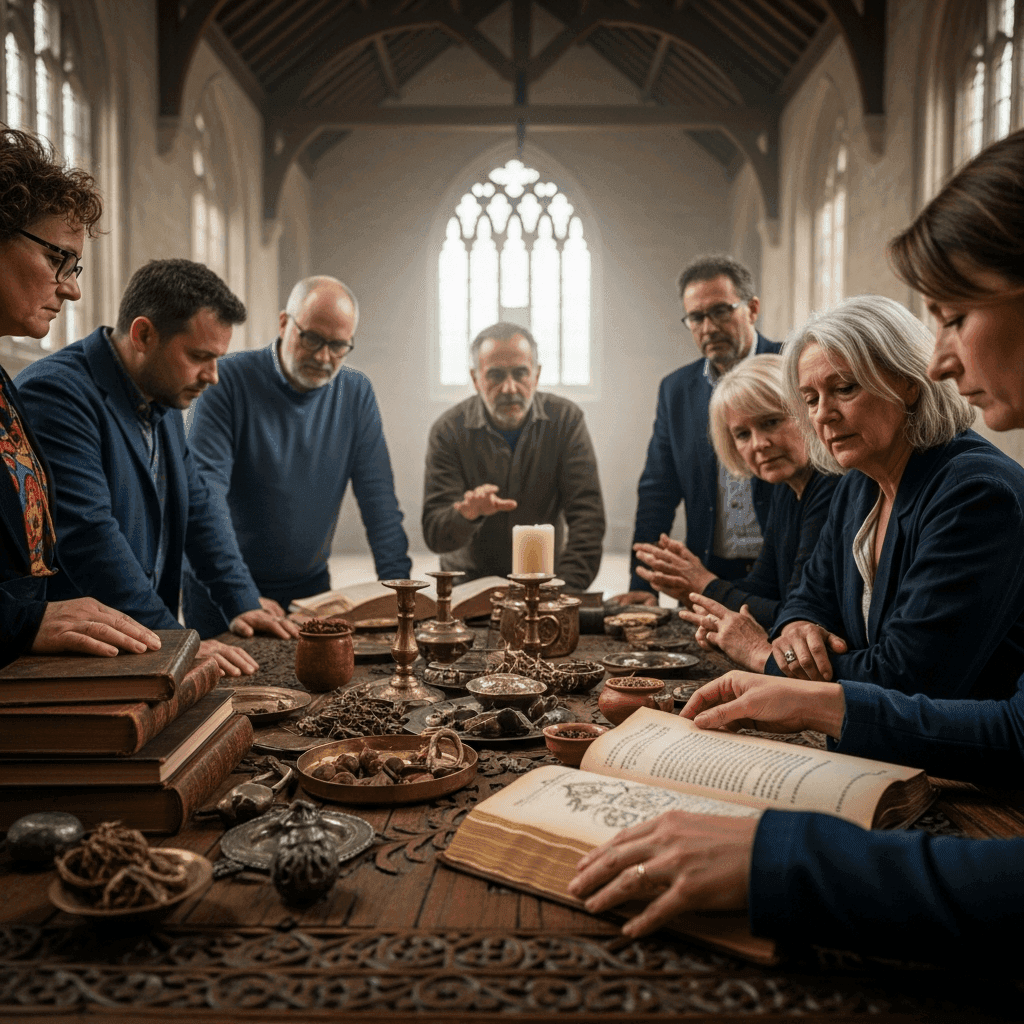
Traditions: Honoring Heritage or Embracing Evolution?
Traditions, those deeply ingrained rituals and customs passed down through generations, fundamentally weave the intricate tapestry of our personal identities and societal structures, providing a profound sense of continuity, belonging, and an indispensable link to the ancestral wisdom that shaped us. They offer solace in an unpredictable world, a comforting rhythm that grounds us in shared history and collective memory, often acting as the very bedrock of cultural cohesion and personal meaning. However, as the twenty-first century hurtles forward, characterized by unprecedented technological innovation, rapid social justice movements, and a globalized cultural exchange, we are increasingly confronted with the critical imperative to re-evaluate these hallowed practices. The question is no longer whether traditions *can* be changed, but rather, when *must* they evolve? Is steadfast adherence always an act of honoring heritage, or can it sometimes inadvertently perpetuate exclusionary practices, stifle individual expression, or cling to norms that no longer resonate with contemporary values and ethical considerations? This complex dilemma compels us to move beyond simplistic preservation or wholesale abandonment, instead fostering a nuanced discernment: recognizing the enduring core values that deserve safeguarding, distinguishing them from superficial customs that have outlived their purpose, and cultivating the foresight to forge new, more inclusive traditions that genuinely reflect our evolving understanding of justice, equality, and human flourishing. Navigating this delicate balance demands intellectual humility, profound empathy, and the courage to challenge the familiar, ultimately inviting us to actively shape a future that respects its past while boldly embracing necessary transformation for a more equitable and compassionate world.
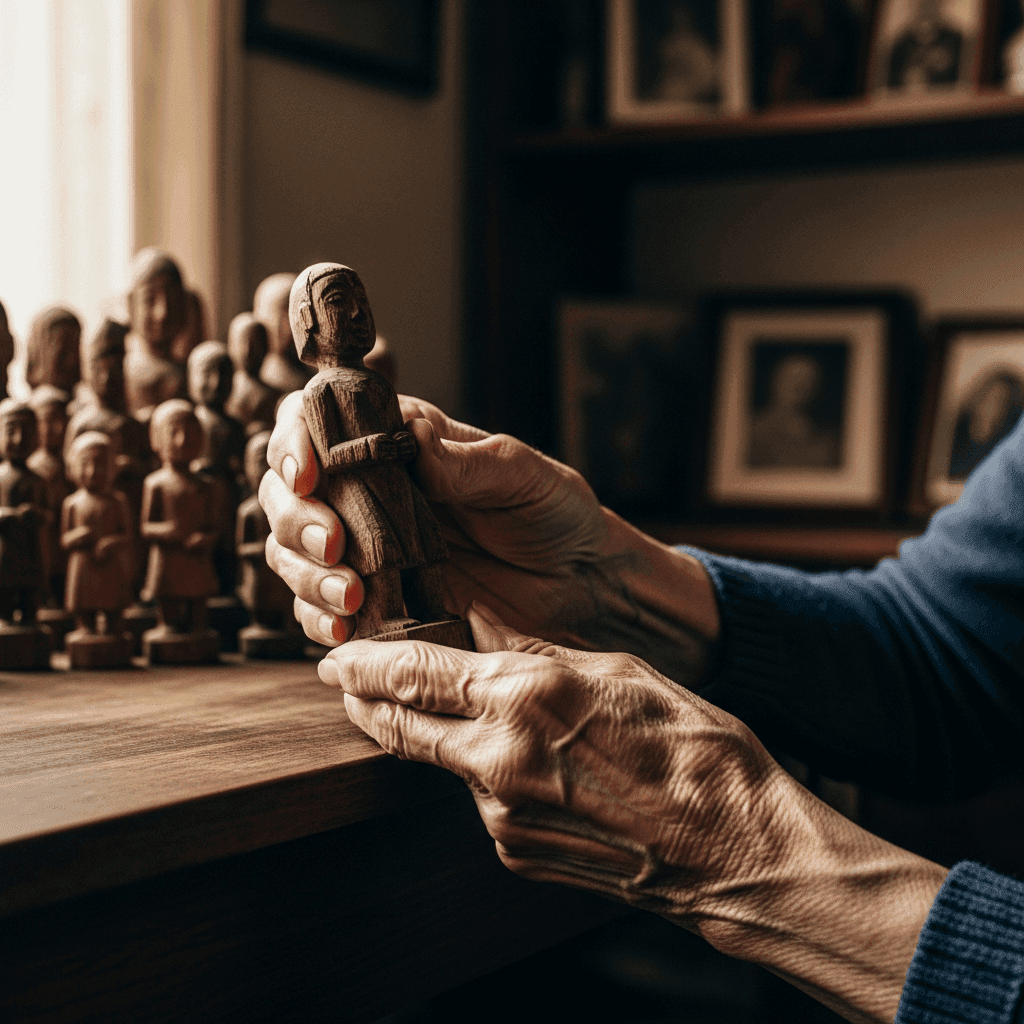
Discussion
No comments yet
Be the first to share your opinion!

Jennifer Trimbee

Aug 19, 2025
0 reading now
What Causes Cysts and When to Worry
Cysts are fluid-filled sacs that can develop in various parts of the body, including the skin, ovaries, and internal organs. They are usually benign, meaning they are not cancerous, and are often caused by blockages in ducts, cell proliferation, or infections. Hormonal changes, genetic factors, and chronic inflammatory conditions can also contribute to cyst formation. While most cysts are harmless and may resolve on their own, some can become problematic if they grow large, cause pain, or become infected. It's important to monitor cysts and seek medical advice if they change in size, color, or sensation, or if they occur in conjunction with other symptoms.
Read more
Jennifer Trimbee
Aug 19, 2025
Disclaimer
This site offers information designed for educational purposes only. You should not rely on any information on this site as a substitute for professional medical advice, diagnosis, treatment, or as a substitute for, professional counseling care, advice, diagnosis, or treatment. If you have any concerns or questions about your health, you should always consult with a physician or other healthcare professional.