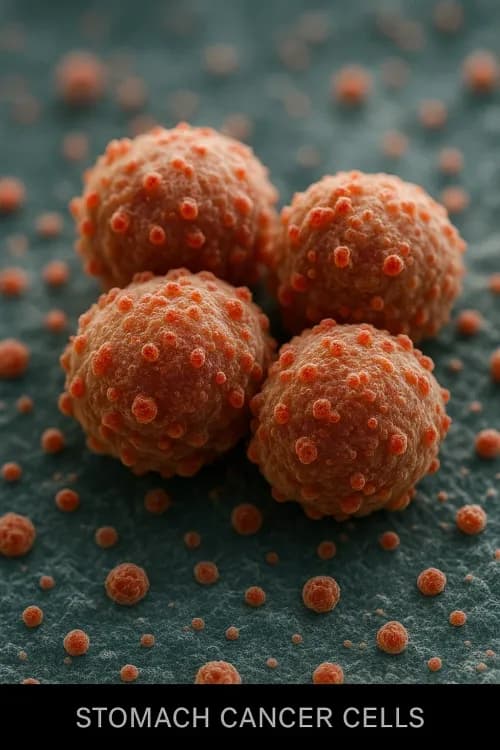
Eat Your Way to a Healthier, Cancer-Free Life
Lifestyle and Welness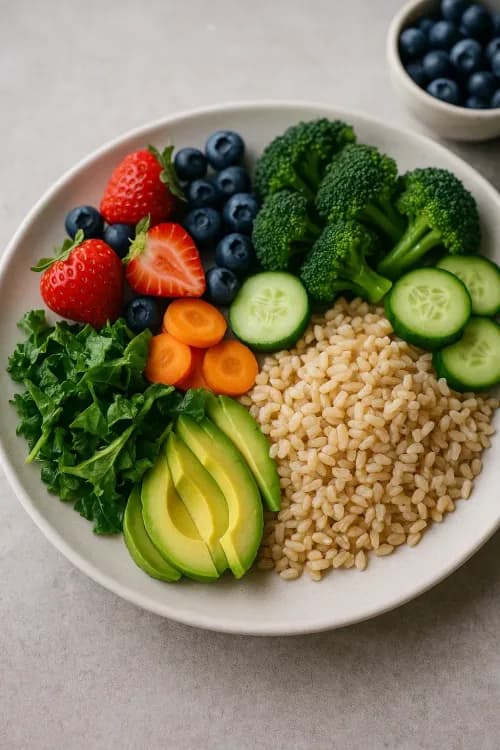
Embracing a diet rich in fruits, vegetables, and whole grains can significantly reduce the risk of developing cancer. Numerous studies have shown that specific nutrients and compounds found in natural foods possess cancer-fighting properties. By incorporating a variety of antioxidant-rich foods into your diet, you can bolster your immune system and fortify your body's natural defenses against cancerous cells. This article will delve into the specifics of how a balanced, nutritious diet can play a pivotal role in cancer prevention, empowering you to make informed dietary choices that support long-term health.
The Power of Antioxidants
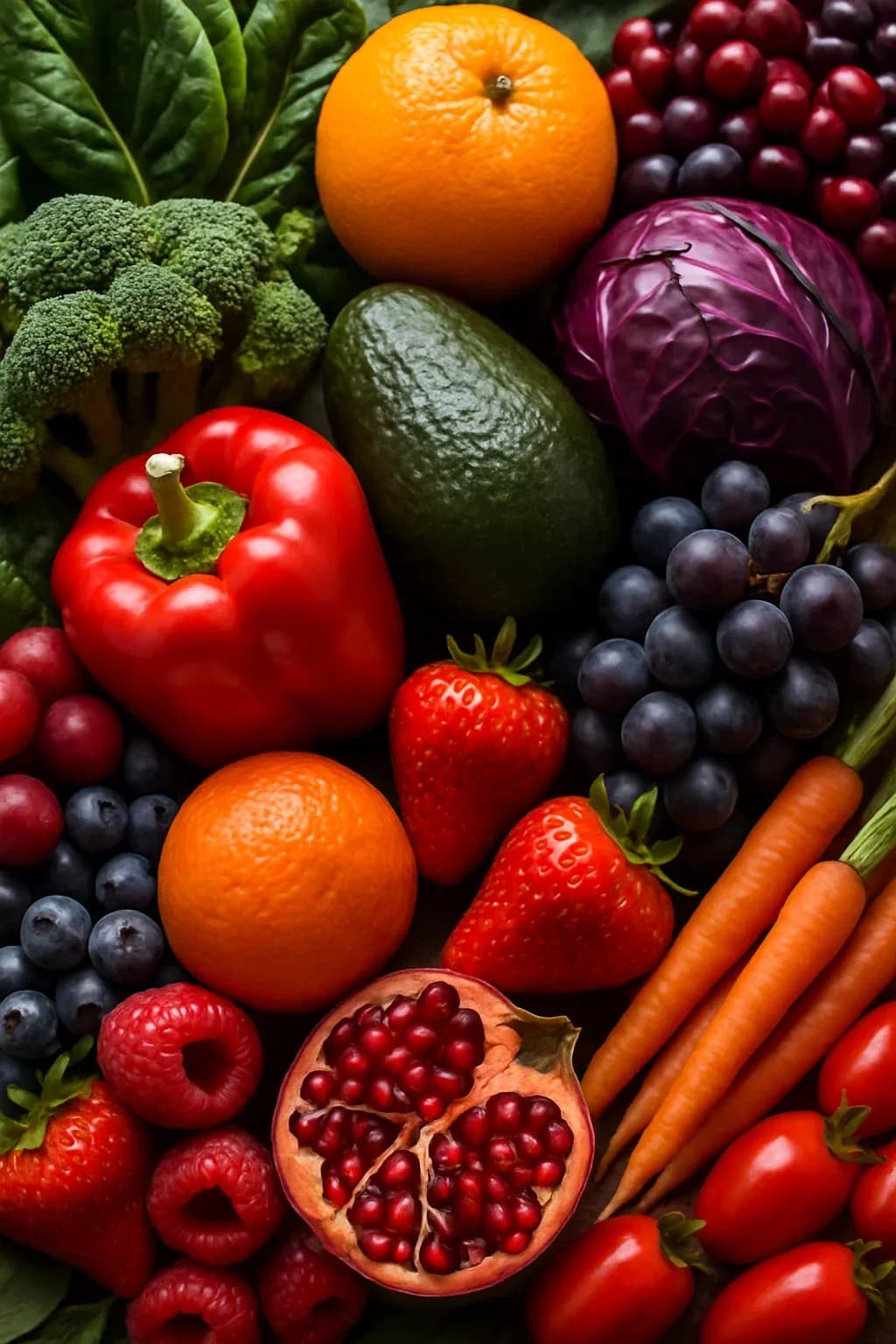
Antioxidants are compounds found in various foods that help neutralize free radicals, which are unstable molecules that can damage cells and lead to cancer. Foods such as berries, nuts, and leafy greens are rich in antioxidants like vitamin C, vitamin E, and flavonoids. These nutrients help protect cells from oxidative stress and reduce inflammation, both of which are linked to cancer development. Incorporating a rainbow of fruits and vegetables into your meals ensures a diverse intake of these protective compounds. For example, the vibrant colors of carrots, tomatoes, and bell peppers are indicative of their high antioxidant content, which can contribute to a reduced risk of certain cancers.
Whole Grains for Cancer Prevention
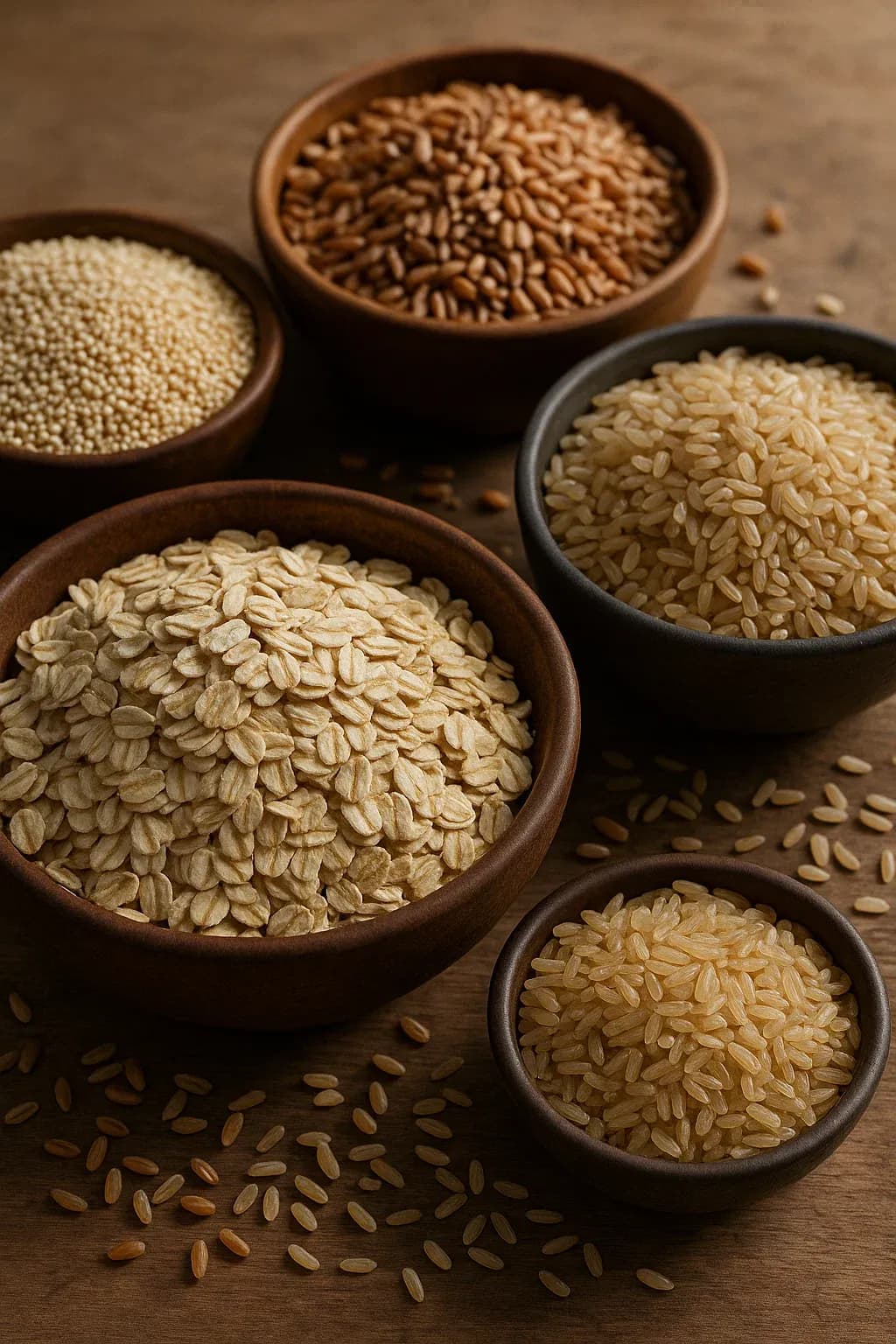
Whole grains are an integral part of a cancer-preventive diet due to their high fiber content and essential nutrients such as selenium and B vitamins. These components are crucial for maintaining a healthy digestive system and supporting immune function. Fiber, in particular, is known to aid in weight management and reduce the risk of colorectal cancer by promoting regular bowel movements and removing carcinogenic substances from the body. Foods like oatmeal, brown rice, and whole grain bread are excellent choices to include in your diet. Moreover, studies suggest that individuals who consume a diet rich in whole grains have a lower risk of developing various types of cancer, making them a vital component of a balanced diet.
Discussion
No comments yet
Be the first to share your opinion!

Jennifer Trimbee

Aug 19, 2025
0 reading now
What Causes Cysts and When to Worry
Cysts are fluid-filled sacs that can develop in various parts of the body, including the skin, ovaries, and internal organs. They are usually benign, meaning they are not cancerous, and are often caused by blockages in ducts, cell proliferation, or infections. Hormonal changes, genetic factors, and chronic inflammatory conditions can also contribute to cyst formation. While most cysts are harmless and may resolve on their own, some can become problematic if they grow large, cause pain, or become infected. It's important to monitor cysts and seek medical advice if they change in size, color, or sensation, or if they occur in conjunction with other symptoms.
Read more
Jennifer Trimbee
Aug 19, 2025
Disclaimer
This site offers information designed for educational purposes only. You should not rely on any information on this site as a substitute for professional medical advice, diagnosis, treatment, or as a substitute for, professional counseling care, advice, diagnosis, or treatment. If you have any concerns or questions about your health, you should always consult with a physician or other healthcare professional.