10 Effective Cooking Tips for Better Wellness
Lifestyle and Welness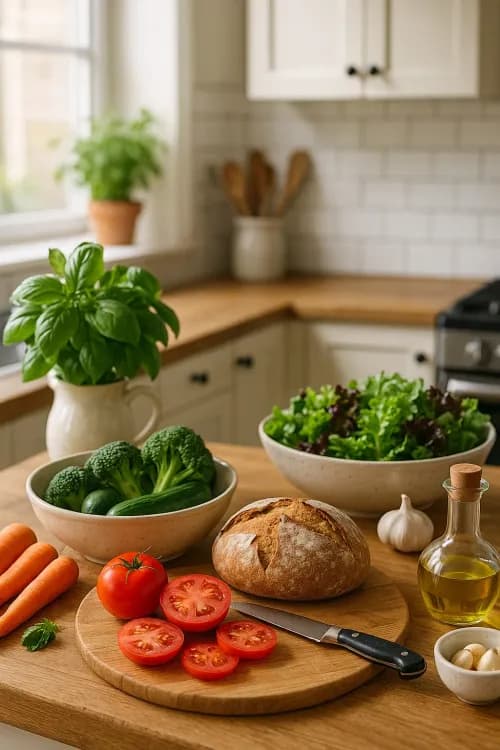
Cooking at home is not only a delightful experience but also a powerful way to ensure better wellness. By taking control of the ingredients and methods you use, you can significantly enhance the nutritional value of your meals. This article explores ten effective cooking tips that can help you create delicious and healthful dishes. From choosing the right oils to incorporating more vegetables, these tips aim to make your meals not only tasty but also nourishing. Cooking with wellness in mind encourages a balanced diet, supports weight management, and can help in preventing various health issues. Embracing these tips will not only improve your cooking skills but also contribute positively to your overall well-being. Whether you're a seasoned chef or a novice cook, these insights will inspire you to make healthier choices in the kitchen. Transform your cooking habits today and enjoy meals that satisfy both your taste buds and your body's nutritional needs.
Incorporate More Vegetables
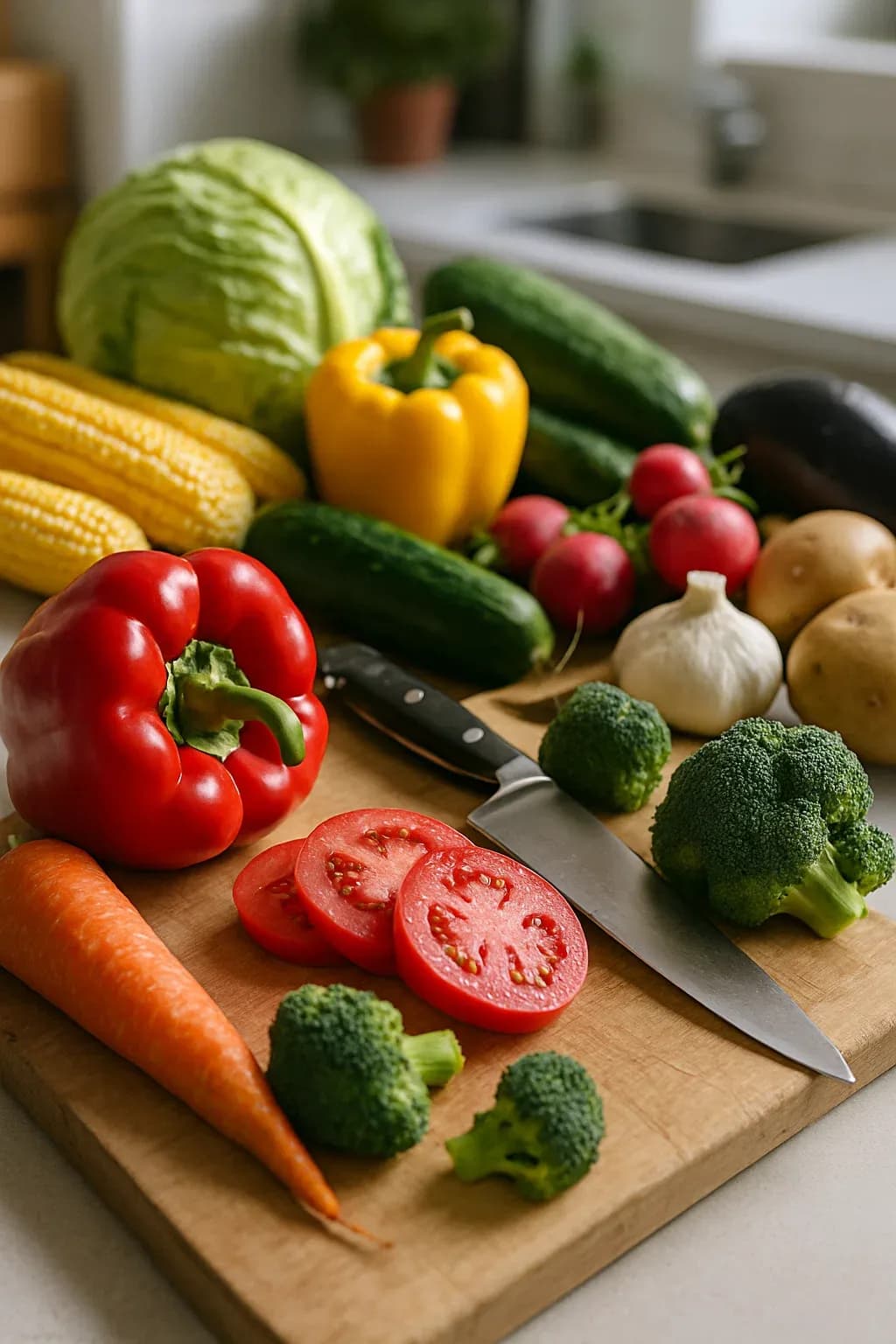
One of the most effective ways to boost the nutritional content of your meals is by incorporating more vegetables. Vegetables are rich in essential vitamins, minerals, and antioxidants that support overall health. Start by adding a variety of colorful vegetables to your dishes to ensure a diverse intake of nutrients. For instance, you can enhance a simple pasta with sautéed spinach, bell peppers, and cherry tomatoes. Additionally, consider experimenting with different cooking methods such as steaming, roasting, or grilling to retain the maximum nutritional value of your veggies. By making vegetables the star of your meals, you not only create vibrant dishes but also promote better wellness.
Choose Healthy Cooking Oils
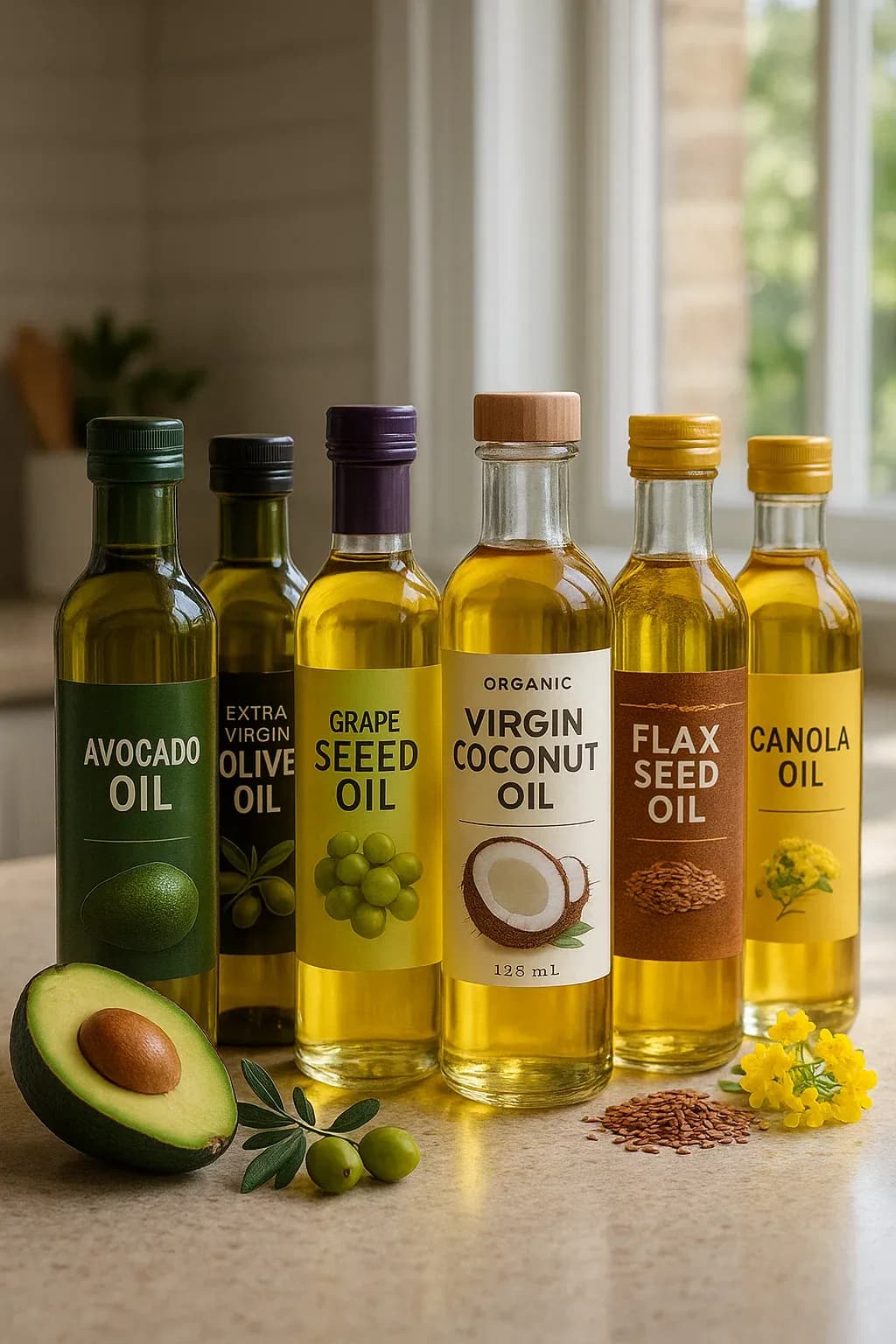
The type of oil you use in cooking can significantly impact the healthiness of your meals. Opting for healthy oils like olive oil, avocado oil, or coconut oil can enhance the flavor of your food while providing beneficial fats. These oils are known for their heart-healthy properties and can help in reducing bad cholesterol levels. When cooking at high temperatures, it's important to use oils with higher smoke points, such as avocado oil, to prevent the formation of harmful compounds. On the other hand, extra virgin olive oil is excellent for drizzling over salads or adding to dishes after cooking. By making mindful choices regarding cooking oils, you can improve the nutritional quality of your meals and support your wellness goals.
Discussion
No comments yet
Be the first to share your opinion!

Jennifer Trimbee

Aug 19, 2025

0 reading now
What Causes Cysts and When to Worry
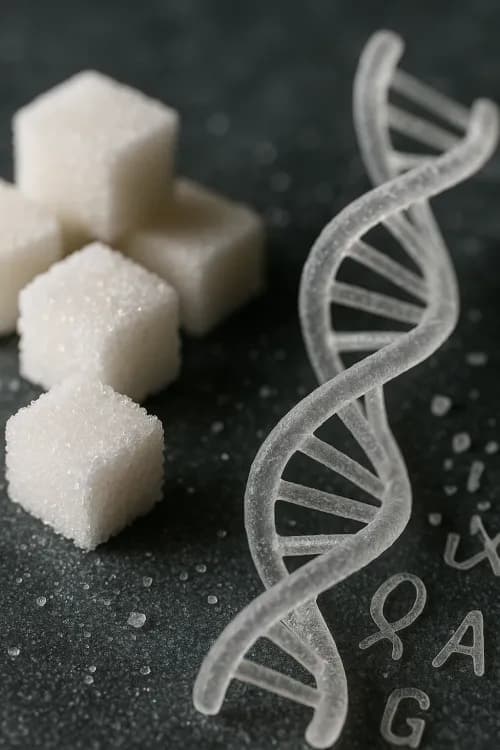
Cysts are fluid-filled sacs that can develop in various parts of the body, including the skin, ovaries, and internal organs. They are usually benign, meaning they are not cancerous, and are often caused by blockages in ducts, cell proliferation, or infections. Hormonal changes, genetic factors, and chronic inflammatory conditions can also contribute to cyst formation. While most cysts are harmless and may resolve on their own, some can become problematic if they grow large, cause pain, or become infected. It's important to monitor cysts and seek medical advice if they change in size, color, or sensation, or if they occur in conjunction with other symptoms.
Read more
Jennifer Trimbee
Aug 19, 2025
Disclaimer
This site offers information designed for educational purposes only. You should not rely on any information on this site as a substitute for professional medical advice, diagnosis, treatment, or as a substitute for, professional counseling care, advice, diagnosis, or treatment. If you have any concerns or questions about your health, you should always consult with a physician or other healthcare professional.