Simple Leg Stretches You Can Do Anywhere
Lifestyle and Welness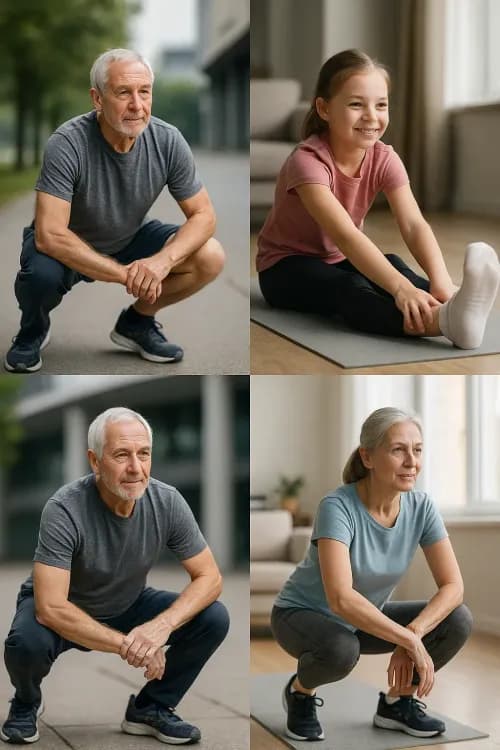
In our fast-paced world, finding time for a full workout can be challenging. However, incorporating simple leg stretches into your daily routine can provide significant benefits without requiring a dedicated gym session. Whether you're at home, in the office, or traveling, these stretches can be performed almost anywhere, helping to improve flexibility, reduce muscle tightness, and increase circulation. Regular stretching can also alleviate tension caused by prolonged sitting or standing, promoting better posture and overall comfort. By dedicating just a few minutes each day to these exercises, you can maintain healthier, more flexible legs and enhance your overall wellbeing.
Standing Quad Stretch
The standing quad stretch is a simple yet effective exercise that targets the quadriceps, the group of muscles located at the front of your thigh. To perform this stretch, stand upright and hold onto a sturdy surface for balance, such as a wall or chair. Bend one knee and bring your heel towards your buttocks, grasping your ankle with your hand. Keep your knees close together and gently push your hips forward to deepen the stretch. Hold this position for 20-30 seconds, then switch to the other leg. This stretch not only enhances flexibility but also helps to relieve tension associated with prolonged standing or sitting, making it perfect for quick breaks during work or travel.

Seated Hamstring Stretch
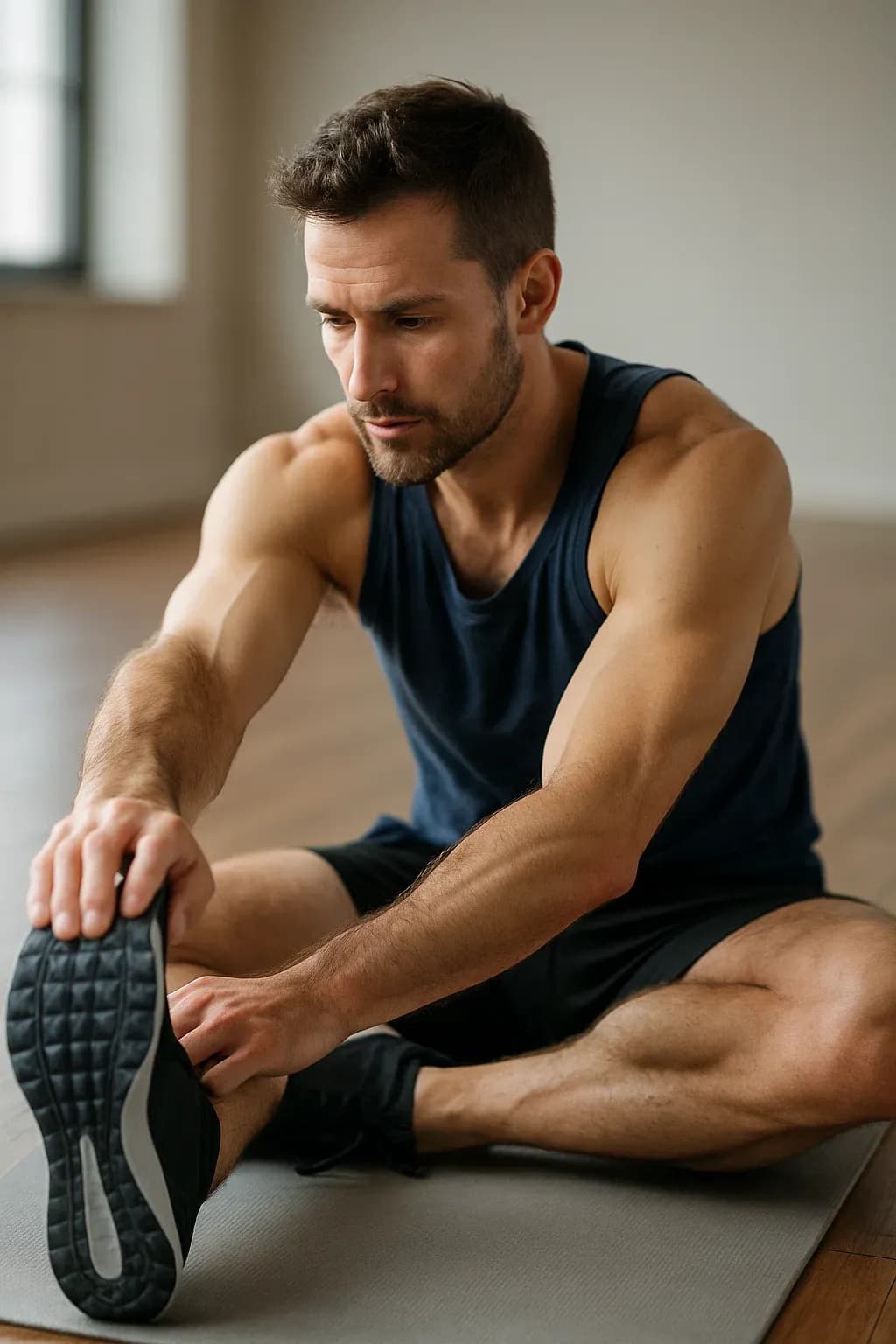
The seated hamstring stretch is an excellent exercise for targeting the muscles at the back of the thigh, known as the hamstrings. To perform this stretch, find a comfortable seated position on the floor with your legs extended straight in front of you. Flex your feet and keep your back straight as you slowly lean forward, reaching towards your toes. It's important to move within your comfort zone, avoiding any pain. Hold the stretch for 20-30 seconds, feeling the gentle pull along the back of your legs. This stretch is particularly beneficial for those who spend long hours sitting, as it helps to alleviate tightness and improve overall leg flexibility.
Discussion
No comments yet
Be the first to share your opinion!

Jennifer Trimbee

Aug 19, 2025

0 reading now
What Causes Cysts and When to Worry
Cysts are fluid-filled sacs that can develop in various parts of the body, including the skin, ovaries, and internal organs. They are usually benign, meaning they are not cancerous, and are often caused by blockages in ducts, cell proliferation, or infections. Hormonal changes, genetic factors, and chronic inflammatory conditions can also contribute to cyst formation. While most cysts are harmless and may resolve on their own, some can become problematic if they grow large, cause pain, or become infected. It's important to monitor cysts and seek medical advice if they change in size, color, or sensation, or if they occur in conjunction with other symptoms.
Read more
Jennifer Trimbee
Aug 19, 2025

Disclaimer
This site offers information designed for educational purposes only. You should not rely on any information on this site as a substitute for professional medical advice, diagnosis, treatment, or as a substitute for, professional counseling care, advice, diagnosis, or treatment. If you have any concerns or questions about your health, you should always consult with a physician or other healthcare professional.