Unseen Battles: Revealing the Truth of Invisible Illness
Diseases and Conditions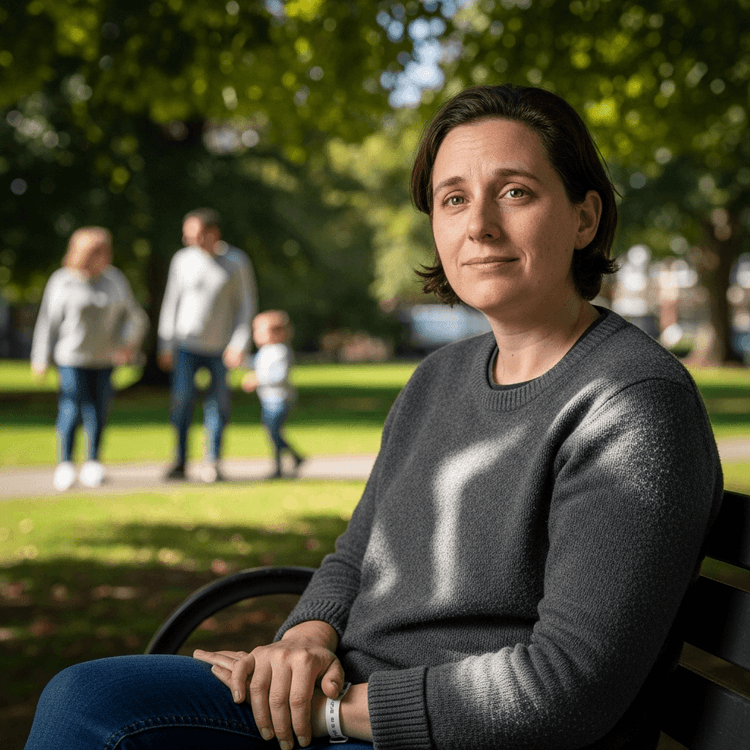
Dive deep into the often-unseen world of invisible illnesses, exploring the profound challenges faced by millions whose daily struggles remain hidden beneath a veneer of normalcy. This comprehensive post sheds light on the reality of living with conditions that may not manifest with outward physical signs but inflict immense pain, fatigue, cognitive dysfunction, and countless other debilitating symptoms. We peel back the layers of misconception and societal judgment, revealing the emotional fortitude required to navigate a world that frequently dismisses what it cannot readily perceive. From the frustrating journey to diagnosis, often fraught with skepticism from medical professionals and loved ones alike, to the constant battle for validation and understanding, this piece offers a voice to those who have long suffered in silence. We delve into the psychological toll – the isolation, anxiety, and depression – that frequently accompanies these chronic conditions, impacting every facet of life, from relationships and careers to mental well-being and personal identity. Furthermore, we emphasize the critical importance of fostering empathy and cultivating a more inclusive society where individuals living with invisible illnesses feel seen, heard, and supported. Discover actionable insights on how to better understand and advocate for those in your life who may be silently battling such conditions, and learn why a simple act of belief can make an immeasurable difference. This isn't just a discussion; it's an urgent call to awareness, urging everyone to look beyond appearances and recognize the incredible strength and resilience of individuals confronting unseen battles every single day. Join us as we illuminate these hidden struggles, bringing crucial conversations to the forefront and fostering a community built on compassion and informed understanding, ultimately striving to create a world where no one has to suffer alone or in silence simply because their illness isn't visible to the naked eye.
Beyond Appearances: Unmasking the Reality of Invisible Illnesses
Beyond the superficial veneer of apparent health, millions navigate a profoundly challenging reality, wrestling daily with invisible illnesses that inflict immense pain, relentless fatigue, debilitating cognitive dysfunction, and a host of other unseen symptoms. This stark dichotomy between their outward appearance and internal suffering creates a profound disconnect, often leading to a frustrating journey toward diagnosis, fraught with skepticism from medical professionals and loved ones alike. The constant battle for validation and understanding takes a significant psychological toll, fostering deep isolation, anxiety, and depression, impacting every facet of life from personal relationships and career trajectories to fundamental mental well-being and a sense of self. Society frequently dismisses what it cannot readily perceive, compelling those with invisible conditions to muster extraordinary emotional fortitude as they navigate a world that too often judges their struggles as imaginary or exaggerated. It is imperative that we collectively look beyond appearances, recognize the incredible strength and resilience these individuals demonstrate daily, and cultivate a more empathetic, inclusive society where simply believing someone's lived experience can make an immeasurable difference. This call to awareness seeks to illuminate these hidden struggles, bringing crucial conversations to the forefront and fostering a community built on informed understanding, ensuring that no one has to suffer alone or in silence simply because their illness isn't visible to the naked eye.
The Hidden World of Invisible Illness: Beyond Appearances
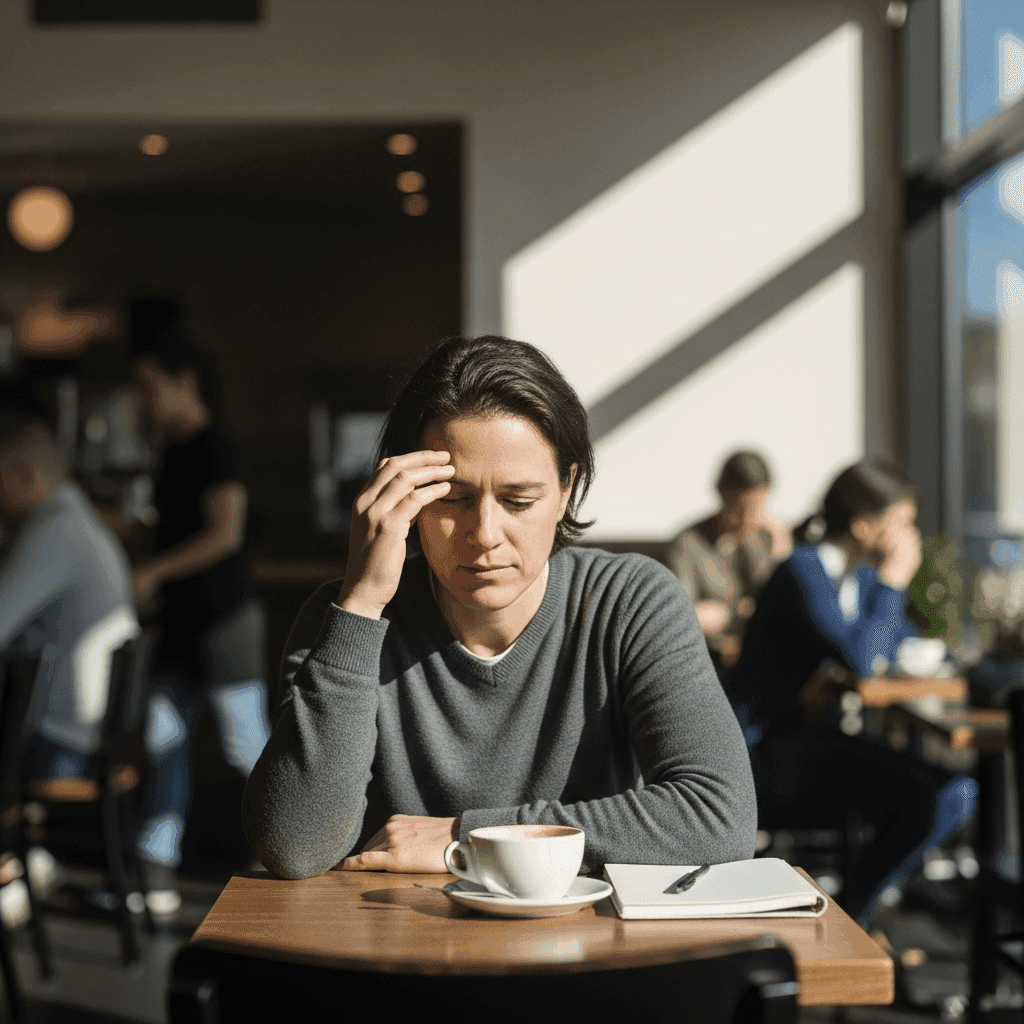
The world of invisible illnesses is a profound, often solitary landscape, existing just beneath the surface of what society perceives as normalcy. Millions navigate their daily lives battling conditions that manifest not with visible casts, bandages, or obvious physical alterations, but with a relentless barrage of internal suffering—debilitating pain, crushing fatigue, brain fog that obscures thought, and a myriad of other symptoms that relentlessly chip away at their quality of life. This hidden struggle is further compounded by a pervasive lack of understanding and a deeply ingrained societal judgment, forcing individuals to constantly expend precious energy validating their reality to a world that frequently dismisses what it cannot readily perceive. The journey to diagnosis is often a long, arduous odyssey, fraught with skepticism from medical professionals and even loved ones, leaving many feeling unheard and profoundly isolated. This perpetual battle for belief takes an immense psychological toll, fostering anxiety, depression, and a sense of alienation that permeates every aspect of their existence, from straining relationships and hindering career progression to eroding their sense of self and personal identity. We must, therefore, peel back these layers of misconception, fostering a critical dialogue that transcends superficial appearances and cultivates a society built on genuine empathy, where the courage and resilience of those fighting unseen battles are not only recognized but celebrated, ensuring no one has to suffer in silence simply because their pain lacks an outward sign.

Discussion
No comments yet
Be the first to share your opinion!

Jennifer Trimbee

Aug 19, 2025

0 reading now
What Causes Cysts and When to Worry
Cysts are fluid-filled sacs that can develop in various parts of the body, including the skin, ovaries, and internal organs. They are usually benign, meaning they are not cancerous, and are often caused by blockages in ducts, cell proliferation, or infections. Hormonal changes, genetic factors, and chronic inflammatory conditions can also contribute to cyst formation. While most cysts are harmless and may resolve on their own, some can become problematic if they grow large, cause pain, or become infected. It's important to monitor cysts and seek medical advice if they change in size, color, or sensation, or if they occur in conjunction with other symptoms.
Read more
Jennifer Trimbee
Aug 19, 2025

Disclaimer
This site offers information designed for educational purposes only. You should not rely on any information on this site as a substitute for professional medical advice, diagnosis, treatment, or as a substitute for, professional counseling care, advice, diagnosis, or treatment. If you have any concerns or questions about your health, you should always consult with a physician or other healthcare professional.