Happy Gut, Happy Mind: Unraveling Your Digestive-Mood Link
Your Health
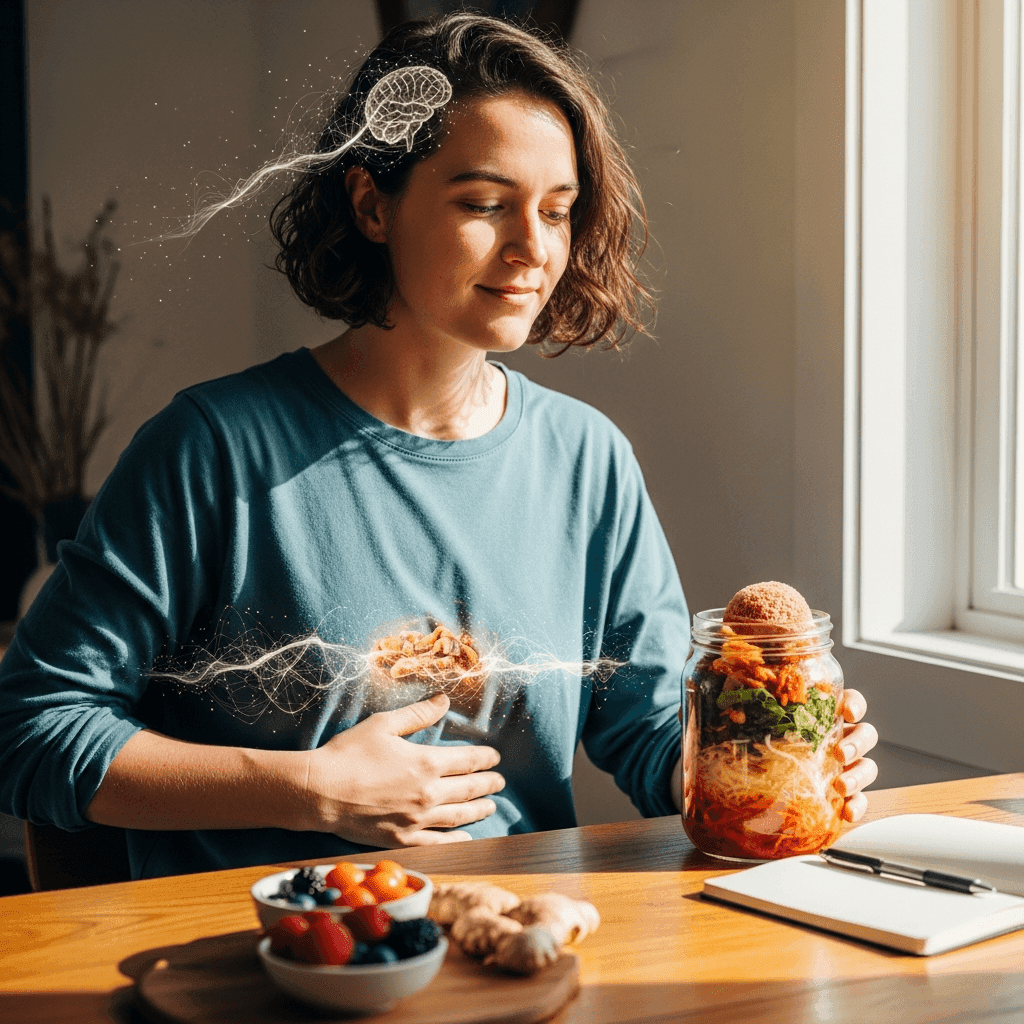
Are you experiencing unexplained mood swings, persistent anxiety, or a general sense of unease that seems disconnected from your daily life stressors? What if the root of these emotional fluctuations lies not just in your brain, but deep within your digestive system? This insightful post delves into the fascinating and increasingly recognized phenomenon known as The Gut-Mood Link, an intricate bidirectional communication highway between your gut and your brain, often referred to as the gut-brain axis. We’ll explore how the trillions of microorganisms residing in your intestines, collectively known as the gut microbiome, play a surprisingly profound role in shaping your mental landscape. From the production of vital neurotransmitters like serotonin – often called the 'happy hormone' – which is predominantly synthesized in the gut, to the influence of gut-derived inflammatory compounds, every aspect of your digestive health can directly or indirectly impact your emotional well-being. This comprehensive guide will illuminate the science behind how a balanced gut flora can foster feelings of calm and clarity, while dysbiosis – an imbalance in the gut bacteria – can contribute to heightened stress, anxiety, and even depressive symptoms. We'll discuss the critical role of vagus nerve stimulation, the impact of short-chain fatty acids produced by beneficial bacteria, and how a 'leaky gut' can trigger systemic inflammation affecting brain function. More importantly, this post doesn't just explain the problem; it offers actionable, evidence-based strategies you can implement to nurture your gut health and, in turn, cultivate a more resilient and positive mood. Discover the power of specific probiotic strains, prebiotic-rich foods, fermented delicacies, and dietary adjustments that can rebalance your internal ecosystem. Learn about the profound connection between stress, sleep, exercise, and the health of your gut microbiome, and how adopting a holistic lifestyle can create a synergistic effect on both your physical and mental health. Embark on a journey to understand this essential mind-body connection and unlock the potential for improved emotional stability and overall vitality by focusing on the often-overlooked world within your gut. Transform your understanding of mental well-being and empower yourself with the knowledge to foster a happier, healthier you from the inside out.
Nourishing Your Gut, Nurturing Your Mind: The Gut-Mood Connection
The intricate dance between your digestive system and your emotional landscape is far more profound than previously imagined, forming a critical "gut-mood connection" that dictates much of your daily mental experience. Beyond simply processing food, your gut, often dubbed the "second brain," hosts a vibrant ecosystem of trillions of microorganisms – your gut microbiome – which acts as a powerful orchestrator of your mood and cognitive function. This bidirectional highway, known as the gut-brain axis, is constantly transmitting signals, influencing everything from the production of vital neurotransmitters like serotonin (with over 90% produced in the gut) to the regulation of inflammatory responses that can directly impact brain health. When this delicate internal balance, or gut flora, is thriving, it fosters a sense of calm and clarity, contributing to a resilient and positive mindset. Conversely, an imbalance, or dysbiosis, can trigger a cascade of negative effects, potentially exacerbating feelings of stress, anxiety, and even contributing to depressive symptoms, highlighting the profound link between digestive wellness and psychological well-being. By embracing actionable strategies that nourish this internal world – from integrating specific probiotic strains and prebiotic-rich foods into your diet to prioritizing adequate sleep and stress management – you actively empower your gut to cultivate a more stable and uplifted emotional state. Understanding this symbiotic relationship is not just about addressing physical discomfort; it's about unlocking a holistic pathway to enhanced mental vitality, proving that true well-being indeed begins from within your gut, radiating outward to nurture a healthier, happier you.

Beyond the Brain: How Your Gut Shapes Your Mental Health
It's a revolutionary thought for many, yet increasingly supported by robust science: the key to your emotional well-being might not solely reside in your cranium, but rather deep within the bustling ecosystem of your digestive tract. Forget the traditional view of the brain as the sole command center for mood; instead, picture an intricate, bidirectional highway—the gut-brain axis—where trillions of microorganisms, collectively known as your gut microbiome, are constant, influential communicators. This hidden world plays a surprisingly profound role, influencing everything from your daily mood fluctuations to persistent anxiety. Consider serotonin, often dubbed the "happy hormone"; an astounding 90% of its synthesis actually occurs in your gut, not your brain. When this delicate internal balance, known as gut flora, is thriving, it fosters feelings of calm, clarity, and resilience. Conversely, a state of dysbiosis, an imbalance in these crucial bacteria, can trigger a cascade of issues, contributing to heightened stress, anxiety, and even depressive symptoms. This isn't just about nutrient absorption; it’s about a complex interplay involving the vagus nerve, the production of beneficial short-chain fatty acids by your gut bugs, and even the integrity of your gut lining, where a 'leaky gut' can unleash systemic inflammation that directly impacts brain function and, consequently, your mental state. Understanding this profound connection empowers you to move beyond simply managing symptoms, offering actionable, evidence-based strategies—from specific probiotic strains and prebiotic-rich foods to holistic lifestyle adjustments involving stress, sleep, and exercise—to cultivate a healthier internal ecosystem and, in turn, a more stable, positive mental landscape. By nurturing your gut, you're not just improving digestion; you're actively shaping your emotional vitality and overall quality of life, transforming your understanding of well-being from the inside out.
Discussion
No comments yet
Be the first to share your opinion!

Jennifer Trimbee

Aug 19, 2025

0 reading now
What Causes Cysts and When to Worry
Cysts are fluid-filled sacs that can develop in various parts of the body, including the skin, ovaries, and internal organs. They are usually benign, meaning they are not cancerous, and are often caused by blockages in ducts, cell proliferation, or infections. Hormonal changes, genetic factors, and chronic inflammatory conditions can also contribute to cyst formation. While most cysts are harmless and may resolve on their own, some can become problematic if they grow large, cause pain, or become infected. It's important to monitor cysts and seek medical advice if they change in size, color, or sensation, or if they occur in conjunction with other symptoms.
Read more
Jennifer Trimbee
Aug 19, 2025
Disclaimer
This site offers information designed for educational purposes only. You should not rely on any information on this site as a substitute for professional medical advice, diagnosis, treatment, or as a substitute for, professional counseling care, advice, diagnosis, or treatment. If you have any concerns or questions about your health, you should always consult with a physician or other healthcare professional.