
Cracking the Craving Code: What Your Body Is Truly Asking For
Your Health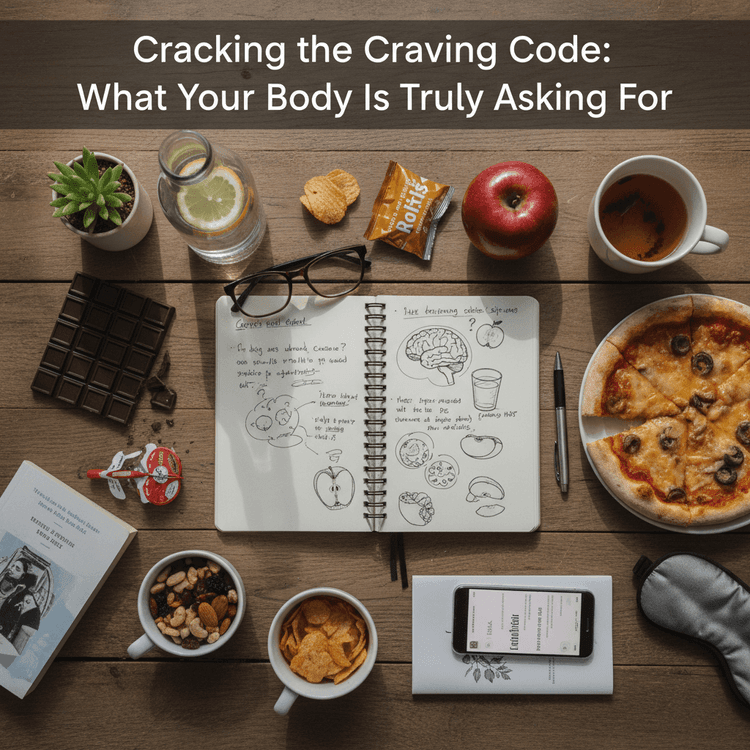
Have you ever found yourself inexplicably drawn to a specific food, even when you know you're not truly hungry? That irresistible pull towards a sugary treat, a salty snack, or a rich, fatty comfort food isn't just a random whim; it's your body and mind communicating with you in a nuanced, sometimes perplexing language. This comprehensive post, 'Decoding Your Cravings,' delves deep into the fascinating world of why we crave what we crave, moving beyond simplistic explanations to uncover the true messages hidden within your desires. We'll embark on a detailed exploration of the various factors that contribute to these powerful urges, from intricate biochemical signals and subtle nutritional imbalances to profound emotional states and deeply ingrained habitual patterns. Discover how dehydration, inadequate sleep, chronic stress, boredom, and even specific environmental cues can trigger those powerful yearnings for particular foods. This isn't just about resisting temptation; it's about understanding and responding with wisdom and self-compassion. Inside, you'll find a practical, actionable framework designed to help you identify the precise root cause of your cravings. We'll guide you through a reflective process, teaching you how to differentiate between true physical hunger and emotional hunger, and empowering you to ask the right questions to peel back the layers of your desires. Learn about journaling techniques, mindful eating practices, and strategic pauses that allow you to pause, observe, and consciously choose your response rather than succumbing automatically. We'll also explore common craving types – why you might yearn for chocolate versus a bag of chips versus a cheesy pizza – and what each of these might be signaling about your current physical or emotional landscape. Moreover, this post offers a wealth of healthy, satisfying alternatives and coping mechanisms that address the underlying need without resorting to unhelpful dietary cycles. By mastering the art of decoding your cravings, you'll gain invaluable insight into your overall well-being, cultivate a more harmonious relationship with food, reduce feelings of guilt or deprivation, and ultimately make more empowered choices that support your health and happiness in the long run. Prepare to transform your understanding of your appetite and unlock a powerful tool for self-awareness and improved well-being.
Decoding Cravings: Understanding Your Body's Complex Language
Have you ever felt an undeniable pull towards a specific food, even when physical hunger isn't the primary driver? This isn't just a fleeting desire; it's your body and mind engaging in a sophisticated dialogue, often expressed through the nuanced language of cravings. Far from being mere weaknesses or random impulses, these powerful urges are intricate signals, offering profound insights into your physiological state, emotional landscape, and even deep-seated habits. Decoding these cravings means moving beyond surface-level explanations, recognizing that a yearning for something sweet, salty, or rich can be triggered by a myriad of factors, ranging from subtle nutritional deficiencies and the primal need for hydration, to the insidious grip of chronic stress, the quiet ache of boredom, or the comforting echoes of past experiences. We often fall into the trap of simply resisting these calls, but true mastery lies in understanding their origin. By learning to differentiate between genuine physiological need and emotional hunger, and by exploring the biochemical dance within us, we gain the tools to interpret these messages with compassion and wisdom. This journey isn't about deprivation; it's about empowerment, transforming an often-confusing impulse into a valuable compass guiding you towards better self-awareness and holistic well-being. Understanding what your craving for chocolate, chips, or a warm pizza truly signifies allows you to address the underlying need, fostering a healthier, more intuitive relationship with food and ultimately paving the way for sustained health and happiness.

From Urge to Insight: Understanding What Your Cravings Tell You
Far from being mere weaknesses of will or random desires, cravings serve as intricate messages from our physiological and psychological landscapes, offering profound insights into our overall well-being. This isn't about shaming ourselves for wanting a particular food, but rather about approaching these urges with curiosity and a detective's mindset, ready to uncover the hidden narrative. When that intense longing for something sweet, salty, or rich arises, it’s an invitation to pause and inquire: Is this a signal of true physical hunger, perhaps due to a nutritional gap, inadequate energy from insufficient sleep, or even simple dehydration mimicking hunger? Or is it a manifestation of emotional hunger, triggered by stress, boredom, fatigue, loneliness, or even unresolved feelings that seek comfort in familiar tastes? Our bodies are constantly striving for balance, and often, what manifests as a food craving is a complex interplay of biochemical needs, hormonal fluctuations, deeply ingrained habits, and our current emotional state. By learning to differentiate between these nuanced signals – distinguishing, for instance, a genuine need for hydration from a craving for a sugary drink, or an urge for comfort from a desire for a specific macronutrient – we unlock a powerful tool for self-awareness. This journey transforms a potentially frustrating cycle of indulgence and guilt into an empowering process of self-discovery, allowing us to respond to our underlying needs with wisdom, compassion, and ultimately, make choices that truly nourish us, both physically and emotionally, fostering a more harmonious relationship with food and ourselves. Understanding these messages isn’t about denying our desires, but about fulfilling them in a way that truly serves our long-term health and happiness, transforming fleeting urges into actionable insights for improved well-being.

Discussion
No comments yet
Be the first to share your opinion!

Jennifer Trimbee

Aug 19, 2025

0 reading now
What Causes Cysts and When to Worry
Cysts are fluid-filled sacs that can develop in various parts of the body, including the skin, ovaries, and internal organs. They are usually benign, meaning they are not cancerous, and are often caused by blockages in ducts, cell proliferation, or infections. Hormonal changes, genetic factors, and chronic inflammatory conditions can also contribute to cyst formation. While most cysts are harmless and may resolve on their own, some can become problematic if they grow large, cause pain, or become infected. It's important to monitor cysts and seek medical advice if they change in size, color, or sensation, or if they occur in conjunction with other symptoms.
Read more
Jennifer Trimbee
Aug 19, 2025
0 reading now
What is Galactosemia?
Galactosemia is a rare genetic metabolic disorder that affects an individual's ability to process the simple sugar galactose properly. Galactose is a component of lactose, the sugar found in milk and other dairy products. In individuals with galactosemia, the enzyme responsible for converting galactose into glucose is either deficient or absent altogether. This enzyme deficiency leads to the accumulation of galactose in the blood, which can be toxic and cause a range of serious health issues. Galactosemia is an inherited disorder, meaning it is passed down from parents to their children through genes. It is typically diagnosed shortly after birth through newborn screening tests. If left untreated, galactosemia can result in liver damage, intellectual disability, cataracts, and even death. Due to these risks, early diagnosis and dietary management are crucial in preventing the severe consequences associated with this condition. Treatment typically involves a strict galactose-free diet for life, which helps to avoid the complications associated with the accumulation of galactose in the body.
Read more
Jennifer Trimbee
Aug 19, 2025

0 reading now
10 General Symptoms of Personality Disorder
Personality disorders are complex mental health conditions that significantly impact how individuals perceive themselves and others, often leading to difficulties in daily functioning. These disorders typically manifest in adolescence or early adulthood and can persist for many years. Understanding the general symptoms can be crucial for seeking appropriate treatment and support. Symptoms of personality disorders often include an enduring pattern of inner experience and behavior that deviates markedly from the expectations of the individual's culture. This pattern is pervasive and inflexible, leading to distress or impairment in personal, social, and occupational situations. These symptoms are typically grouped into categories such as cognitive, emotional, interpersonal, and impulse control problems. It is important to remember that while these symptoms can guide towards a diagnosis, a qualified mental health professional should conduct a comprehensive assessment to determine the presence of a personality disorder.
Read more
Jennifer Trimbee
Aug 22, 2025
0 reading now
What Causes Stomach Cancer?
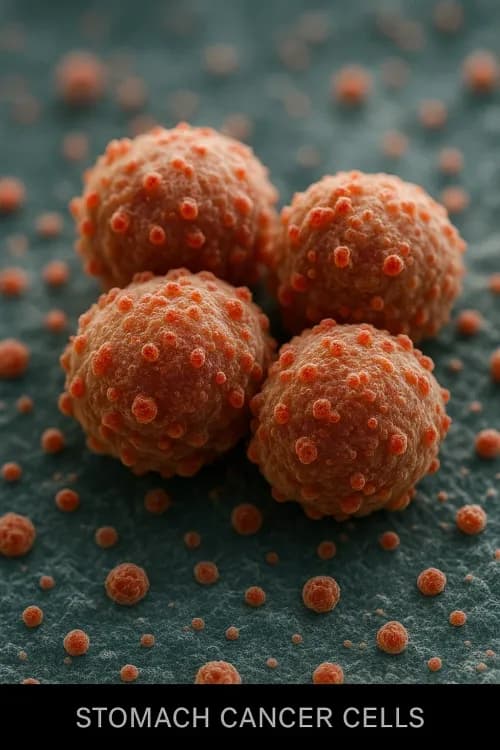
Stomach cancer, also known as gastric cancer, is a disease in which malignant cells form in the lining of the stomach. This can occur when there is a mutation in the cellular DNA, leading to uncontrolled cell growth. Various factors contribute to the risk of developing stomach cancer. These include infections, particularly with Helicobacter pylori, a type of bacteria that causes chronic inflammation and ulcers in the stomach lining. Additionally, lifestyle factors such as smoking, excessive alcohol consumption, and diets high in salted, smoked, or pickled foods can increase the risk. Genetic predispositions and family history also play a significant role, as certain gene mutations can be inherited, increasing susceptibility to the disease. Understanding these causes is crucial in developing preventative strategies and early detection methods to combat this serious illness.
Read more
Disclaimer
This site offers information designed for educational purposes only. You should not rely on any information on this site as a substitute for professional medical advice, diagnosis, treatment, or as a substitute for, professional counseling care, advice, diagnosis, or treatment. If you have any concerns or questions about your health, you should always consult with a physician or other healthcare professional.