Tubular Adenomas: How Serious Are They?
Diseases and Conditions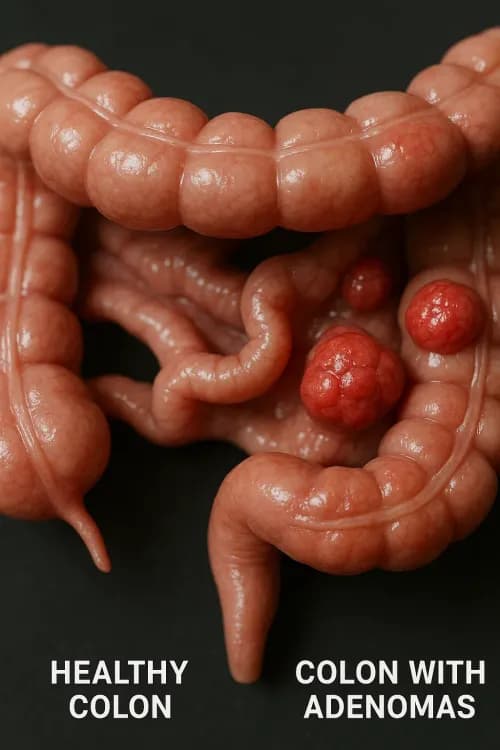
Tubular adenomas are a type of polyp found in the colon and are considered precancerous. They are the most common type of adenomatous polyps, accounting for the majority of such growths detected during colonoscopy screenings. While tubular adenomas themselves are not cancerous, they hold the potential to develop into colorectal cancer over time if left untreated. This is why regular monitoring and removal of these polyps are crucial in preventing progression to malignancy. The risk associated with tubular adenomas largely depends on their size, number, and histological features. Larger adenomas, especially those over 1 centimeter, or those with high-grade dysplasia, pose a higher risk of cancerous transformation. Early detection and intervention are key in managing the risk associated with tubular adenomas, emphasizing the importance of routine colonoscopy screenings, particularly for individuals over 50 or those with a family history of colorectal cancer.
Understanding Tubular Adenomas
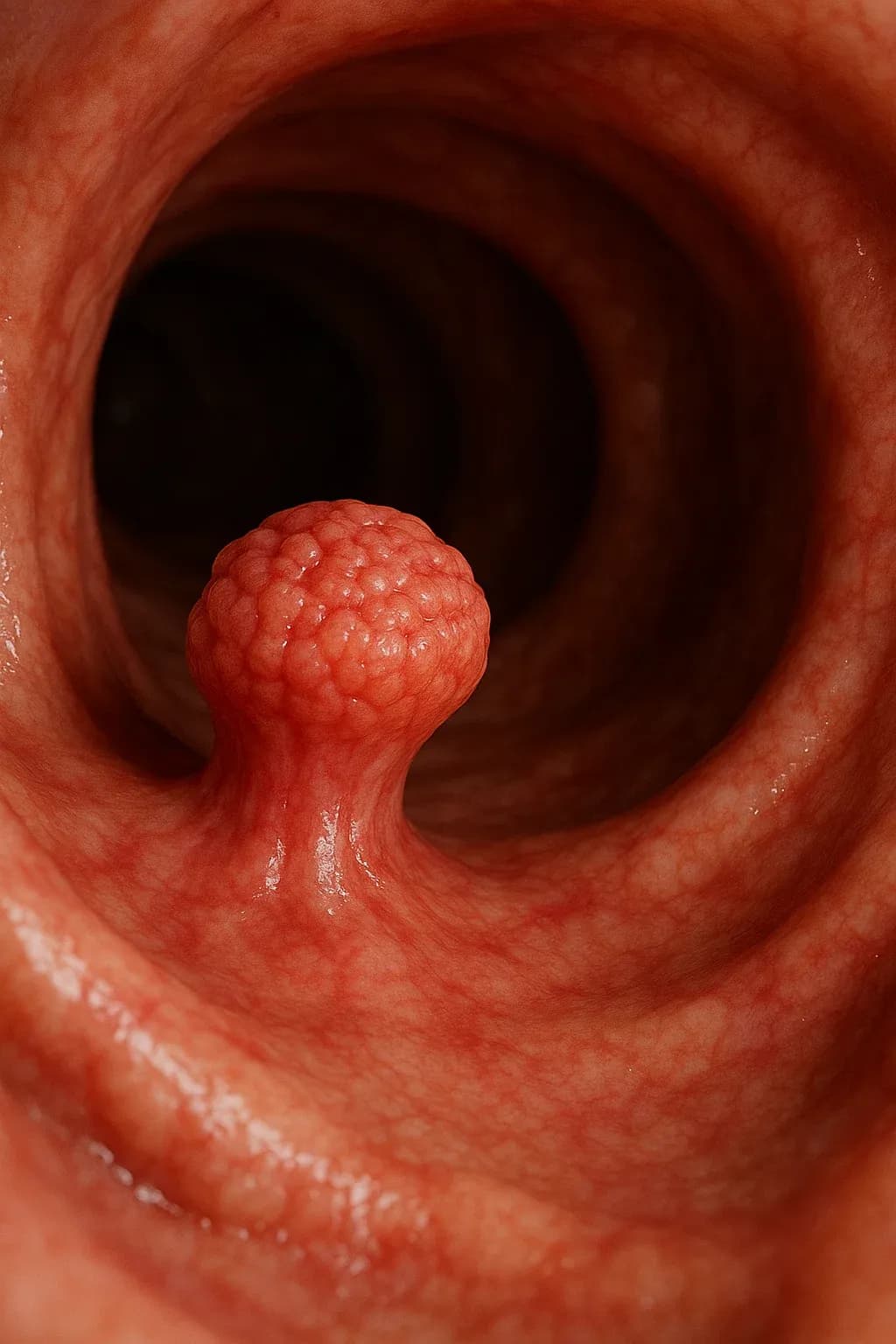
Tubular adenomas are formed when cells in the lining of the colon or rectum grow abnormally and form a clump. These growths are considered precancerous because they have the potential to turn into cancer over time. The process from polyp to cancer can take years, providing a window of opportunity for detection and removal. Factors such as genetic predispositions, lifestyle, and diet can influence the development of these adenomas. While most tubular adenomas remain benign, their potential for malignancy necessitates medical attention. Characteristics such as size and the presence of dysplasia can increase the likelihood of progression to cancer, making it crucial for individuals to follow recommended screening guidelines and maintain regular check-ups.
Managing the Risks
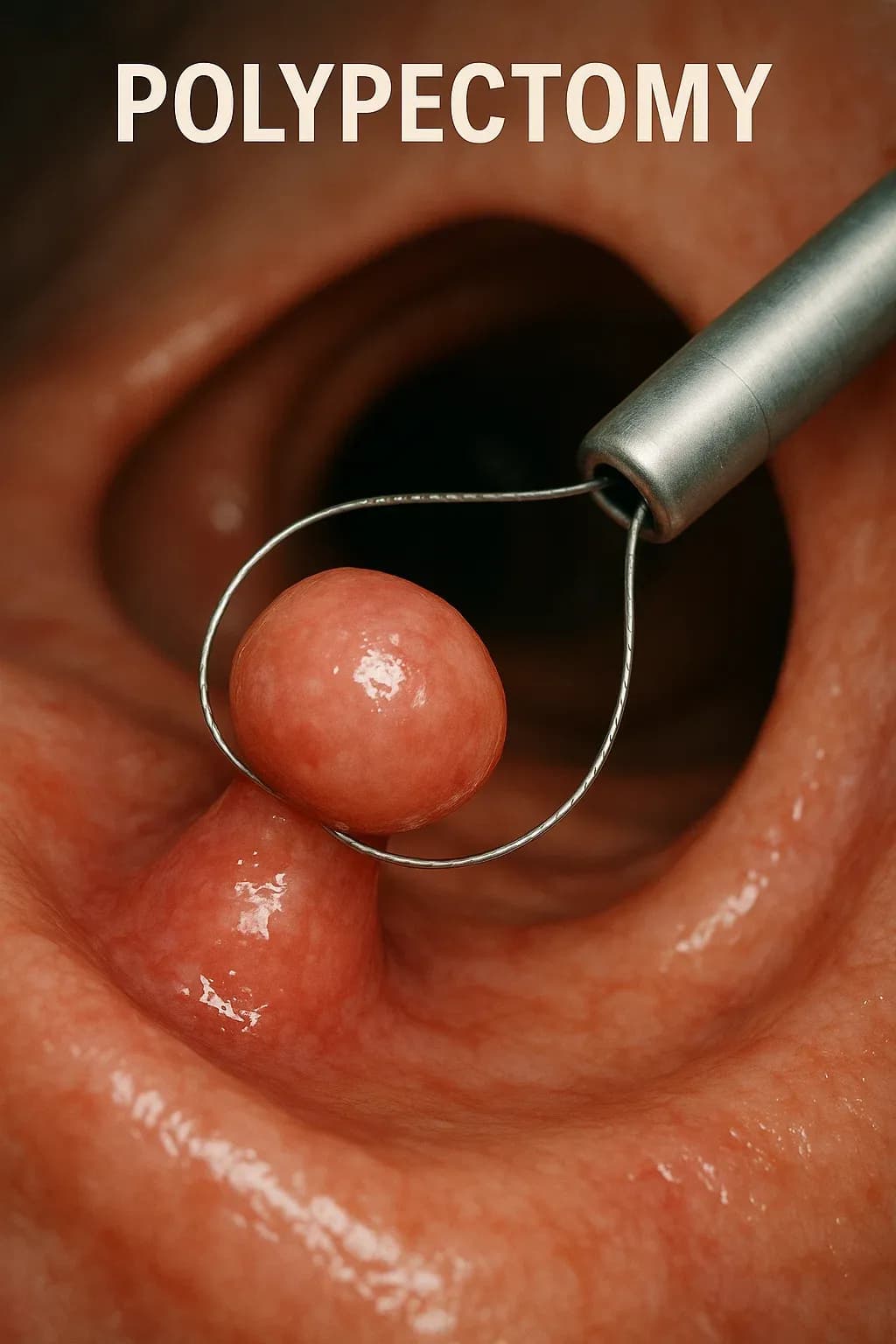
The management of tubular adenomas involves regular surveillance and, when necessary, removal through procedures such as polypectomy during a colonoscopy. The frequency of follow-up colonoscopies depends on the number, size, and pathological characteristics of the adenomas. For instance, individuals with multiple adenomas or those with high-grade dysplasia may require more frequent screenings. Lifestyle modifications, such as adopting a diet high in fiber and low in red and processed meats, maintaining a healthy weight, and avoiding smoking and excessive alcohol intake, can also help in reducing the risk of adenoma formation and progression. Physicians may also recommend aspirin or other medications in certain high-risk individuals to prevent adenoma recurrence.
Discussion
No comments yet
Be the first to share your opinion!

Jennifer Trimbee

Aug 19, 2025

0 reading now
What Causes Cysts and When to Worry
Cysts are fluid-filled sacs that can develop in various parts of the body, including the skin, ovaries, and internal organs. They are usually benign, meaning they are not cancerous, and are often caused by blockages in ducts, cell proliferation, or infections. Hormonal changes, genetic factors, and chronic inflammatory conditions can also contribute to cyst formation. While most cysts are harmless and may resolve on their own, some can become problematic if they grow large, cause pain, or become infected. It's important to monitor cysts and seek medical advice if they change in size, color, or sensation, or if they occur in conjunction with other symptoms.
Read more
Jennifer Trimbee
Aug 19, 2025

Disclaimer
This site offers information designed for educational purposes only. You should not rely on any information on this site as a substitute for professional medical advice, diagnosis, treatment, or as a substitute for, professional counseling care, advice, diagnosis, or treatment. If you have any concerns or questions about your health, you should always consult with a physician or other healthcare professional.